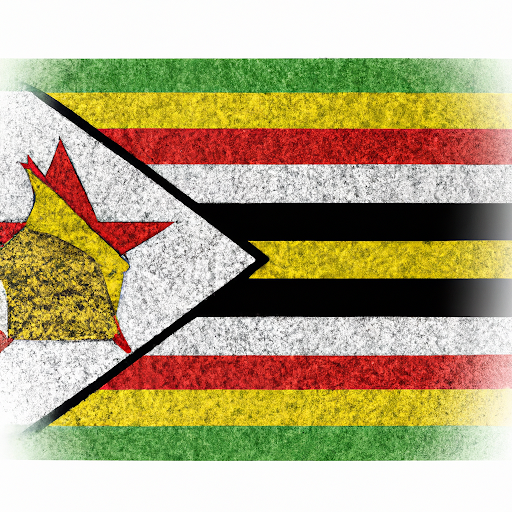
About Zimbabwe
Zimbabwe is a landlocked country located in the southern part of Africa. It is bordered by Zambia, Mozambique, South Africa, and Botswana. The country is home to a population of over 16 million people, and its capital city is Harare.
Zimbabwe has a long and rich history, dating back to the 11th century when it was first settled by the Shona people. The country was colonized by the British in 1890, and it gained independence in 1980. Since then, Zimbabwe has experienced a number of political and economic challenges, including a period of hyperinflation in the 2000s.
The economy of Zimbabwe is largely based on agriculture, with tobacco, maize, and cotton being the main crops. The country also has a thriving mining industry, with gold, diamonds, and platinum being the main minerals mined. Tourism is also an important part of the economy, with many people visiting the country to experience its natural beauty and wildlife.
The culture of Zimbabwe is a mix of African, European, and Asian influences. The country is home to a number of ethnic groups, including the Shona, Ndebele, and Tonga. English is the official language, but many people also speak Shona and Ndebele.
Zimbabwe is a beautiful country with a lot to offer. From its stunning landscapes and wildlife to its vibrant culture and history, there is something for everyone. Whether you’re looking for adventure or relaxation, Zimbabwe has something for you.
Cost of Living and Currency in Zimbabwe
Zimbabwe’s currency is the Zimbabwean dollar (ZWL), which has a complex history. In 2009, the country abandoned its own currency due to hyperinflation and adopted foreign currencies such as the US dollar, South African rand, and Botswana pula as legal tender. However, in 2019, the government reintroduced the Zimbabwean dollar as the sole legal currency, although other currencies are still used in some transactions.
The cost of living in Zimbabwe varies depending on factors such as location, income level, and lifestyle. Generally, the cost of living is relatively low compared to developed countries, but it is still high for many Zimbabweans due to economic challenges and inflation.
The prices of basic necessities such as food, housing, and transportation have been rising rapidly in recent years, and many people struggle to afford them. The government has tried to address the situation through various measures, such as introducing subsidies for some goods and services, but the impact has been limited.
In addition, the cost of healthcare and education is also a significant challenge for many Zimbabweans, as these services are often unaffordable for the average person. Despite these challenges, many Zimbabweans have found creative ways to cope with the high cost of living, such as growing their own food and relying on informal networks to access goods and services.
Means of communication in Zimbabwe
There are several SIM card and wifi router rental services available for travelers in Zimbabwe. Here are a few options:
- Econet Wireless: Econet is the largest mobile network operator in Zimbabwe and offers both prepaid and postpaid SIM cards for voice, text, and data services. They also offer mobile wifi routers for rent.
- NetOne: NetOne is another mobile network operator in Zimbabwe that offers prepaid and postpaid SIM cards and mobile wifi router rentals.
- TelOne: TelOne is a fixed line operator in Zimbabwe that also offers mobile wifi router rentals for travelers.
- ZOL Zimbabwe: ZOL is a broadband internet service provider in Zimbabwe that offers both fixed and mobile wifi services. They offer mobile wifi router rentals for travelers.
- Africom: Africom is a telecommunications company in Zimbabwe that offers mobile data SIM cards and mobile wifi router rentals for travelers.
It’s important to note that availability and pricing of these services may vary depending on your location and the time of year. It’s also a good idea to check with your hotel or accommodation provider to see if they offer any SIM card or wifi rental services.
Zimbabwe Languages and Greetings
The official languages of Zimbabwe are English, Shona, and Ndebele. Here are some simple greetings in Shona and Ndebele, along with their pronunciation:
Shona:
- Hello: Mhoro (pronounced “mho-roh”)
- How are you?: Wakadini zvako? (pronounced “wa-ka-dee-nee zva-ko?”)
- I’m fine, thank you: Ndiri muzukuru, ndinotenda (pronounced “n-dee-ree moo-zoo-koo-roo, n-dee-noh-ten-dah”)
- Goodbye: Kwaheri (pronounced “kwah-heh-ree”)
Ndebele:
- Hello: Sawubona (pronounced “sah-wu-boh-nah”)
- How are you?: Unjani? (pronounced “oon-ya-nee?”)
- I’m fine, thank you: Ngikhona, ngiyabonga (pronounced “ngi-kho-na, ngi-ya-boh-nga”)
- Goodbye: Hamba kahle (pronounced “ham-ba kah-leh”)
Note that there are many other languages spoken in Zimbabwe, and greetings may vary depending on the language and region. It’s always a good idea to learn a few basic phrases in the local language when traveling to a new country, as it can help you communicate and connect with locals.
Food and Cuisine in Zimbabwe
Zimbabwean cuisine is influenced by the country’s history and geography, as well as the culinary traditions of the various ethnic groups that call Zimbabwe home. Here are some popular foods and drinks in Zimbabwe:
- Sadza: This is a staple food in Zimbabwe and is made from ground maize meal. It’s usually served with a meat or vegetable stew and eaten with your hands.
- Nyama: This means meat in Shona and is a popular food in Zimbabwe. Beef, chicken, and goat are commonly eaten, and are often grilled or stewed.
- Muriwo unedovi: This is a vegetable dish made from greens and tomatoes. It’s usually served with sadza and meat.
- Kapenta: This is a small fish that’s dried and fried. It’s often served with sadza and vegetables.
- Maheu: This is a traditional drink made from fermented maize meal. It’s often sweetened with sugar or honey and served cold.
- Chibuku: This is a popular beer in Zimbabwe made from maize and sorghum. It’s often sold in large, communal containers and drunk with friends.
- Mazoe Orange Juice: This is a popular juice brand in Zimbabwe made from locally grown oranges. It’s often served at breakfast or as a refreshing drink during the day.
- Tea: Tea is a popular beverage in Zimbabwe, especially in the morning or afternoon. It’s often served with biscuits or scones.
- Wine: Zimbabwe has a small but growing wine industry, and produces a range of red, white, and rosé wines.
Overall, Zimbabwean cuisine is diverse and flavorful, with influences from Africa, Europe, and Asia. If you’re traveling to Zimbabwe, be sure to try some of the local dishes and drinks to experience the country’s rich food culture.
Zimbabwe climate and clothing
Zimbabwe has a tropical climate with distinct wet and dry seasons. The dry season runs from May to October, while the wet season runs from November to April. Here’s what you should wear depending on the time of year you visit:
Dry season (May to October):
- The dry season is generally cool and dry, with warm days and cool nights. Temperatures can range from 10°C (50°F) to 28°C (82°F), depending on the region.
- During this time, it’s best to wear light, breathable clothing during the day, such as shorts and t-shirts. In the evenings and early mornings, you may want to wear a light jacket or sweater.
- If you’re planning to go on safari, be sure to bring warm clothing for early morning and evening game drives, as temperatures can be chilly.
Wet season (November to April):
- The wet season is hot and humid, with temperatures ranging from 20°C (68°F) to 32°C (90°F), depending on the region.
- During this time, it’s best to wear light, breathable clothing such as shorts and t-shirts. You may also want to bring a rain jacket or umbrella, as heavy rain showers can occur.
- It’s important to wear insect repellent and long-sleeved clothing in the evening to protect against mosquitoes, which are more prevalent during the wet season.
Overall, it’s a good idea to bring comfortable walking shoes, sunscreen, and a hat regardless of the season. If you’re planning to visit Victoria Falls, be prepared for mist and spray from the falls, which can soak you even on a sunny day.
Security and Situation in Zimbabwe
Zimbabwe has a history of political instability and economic challenges, but the situation has improved in recent years. The country is generally safe for tourists, and incidents of violent crime are rare. However, as with any destination, visitors should exercise common sense and take precautions to ensure their safety.
Here are some tips to stay safe in Zimbabwe:
- Be aware of your surroundings and stay alert in crowded areas, especially at night.
- Avoid walking alone at night, especially in isolated areas.
- Keep valuables such as cash, passports, and electronic devices out of sight and in a secure location.
- Use reputable taxi services or hire a private driver if possible.
- Observe local customs and traditions, especially in rural areas.
- If you’re going on safari, follow the safety guidelines provided by your tour operator and stay inside your vehicle unless instructed otherwise.
- Check the latest travel advisories from your government before traveling to Zimbabwe.
Overall, Zimbabwe is a welcoming and friendly country with plenty to offer visitors. By taking sensible precautions and being aware of your surroundings, you can enjoy a safe and enjoyable trip to Zimbabwe.
Religion and Culture of Zimbabwe
Zimbabwe is a diverse country with a rich cultural and religious heritage. Here are some key aspects of Zimbabwe’s religion and culture:
- Religion: Christianity is the dominant religion in Zimbabwe, with over 85% of the population identifying as Christians. Other religions practiced in Zimbabwe include Islam, traditional African religions, and Hinduism.
- Language: Zimbabwe has 16 official languages, with the most widely spoken being Shona and Ndebele. English is also widely spoken and is the language of instruction in schools and universities.
- Family values: Family is highly valued in Zimbabwean culture, and extended families often live together in the same household. Respect for elders is also an important cultural value.
- Arts and crafts: Zimbabwe has a rich tradition of arts and crafts, including stone sculptures, wood carvings, and textiles. The country’s artists are known for their intricate designs and attention to detail.
- Music and dance: Music and dance are an integral part of Zimbabwean culture, with traditional styles such as mbira and drumming still widely practiced. Modern genres such as hip-hop and reggae have also gained popularity in recent years.
- Food: Zimbabwean cuisine is diverse and flavorful, with influences from Africa, Europe, and Asia. Staples include sadza (a maize meal porridge), meat dishes, and vegetable stews.
- Sports: Football (soccer) is the most popular sport in Zimbabwe, and the country has produced several successful players who have gone on to play for international teams. Cricket, rugby, and netball are also popular.
Overall, Zimbabwe is a vibrant and diverse country with a rich cultural heritage. Its religion, language, family values, arts and crafts, music and dance, food, and sports all contribute to its unique and fascinating culture.
Transportation in Zimbabwe
Zimbabwe has a variety of transportation options available to visitors, including:
- Taxis: Taxis are readily available in Zimbabwe’s major cities and towns. They can be hailed on the street or booked through a taxi company. It’s a good idea to negotiate the fare before getting into the taxi.
- Buses: Buses are the most common form of public transportation in Zimbabwe. They are generally inexpensive and operate on fixed routes. However, they can be crowded and uncomfortable, especially during peak hours.
- Trains: Zimbabwe has a limited railway network, with trains running between major cities and towns. The trains are generally slower and less comfortable than buses, but they offer a more scenic way to travel.
- Car rental: Car rental is available in Zimbabwe, but it can be expensive. If you plan to rent a car, be sure to obtain an international driving permit and drive on the left-hand side of the road.
- Private drivers: Private drivers can be hired to take you to specific destinations or for a set period of time. This can be a good option for visitors who want to explore the country at their own pace.
- Air travel: Zimbabwe has several domestic airports, and air travel can be a good option for visitors who want to cover long distances quickly. However, it can be expensive and is not a practical option for short distances.
Overall, Zimbabwe’s transportation options are generally safe and reliable. However, visitors should exercise caution and be aware of their surroundings when using public transportation. It’s also a good idea to book transportation in advance whenever possible.
Major cities of Zimbabwe
Here are three major cities in Zimbabwe and an overview of each:
- Harare: Harare is the capital and largest city in Zimbabwe. It is a bustling metropolis with a population of around 1.6 million people. The city is known for its wide boulevards, green spaces, and diverse architecture. Harare is also home to several museums, art galleries, and cultural centers, including the National Gallery of Zimbabwe and the Harare International Festival of the Arts. Visitors can also explore the nearby Mukuvisi Woodlands nature reserve and the Mbare Musika market.
- Bulawayo: Bulawayo is the second-largest city in Zimbabwe, with a population of around 700,000 people. It is known for its colonial architecture, including the impressive National Railways of Zimbabwe building and the Bulawayo Club. The city is also home to several museums, including the Natural History Museum of Zimbabwe and the Bulawayo Railway Museum. Visitors can explore the nearby Matobo National Park, which is home to ancient rock art and wildlife such as black eagles and rhinos.
- Mutare: Mutare is a small city located in the eastern part of Zimbabwe, near the Mozambique border. It has a population of around 185,000 people and is known for its scenic location in the Eastern Highlands. The city is surrounded by mountains and is a popular base for exploring nearby natural attractions such as the Bvumba Botanical Gardens and the Nyanga National Park. Visitors can also explore the city’s colonial architecture, including the historic St. Augustine’s Mission and the Cecil Kop Nature Reserve.
Overall, these three cities offer a diverse range of cultural and natural attractions for visitors to Zimbabwe.
コメント