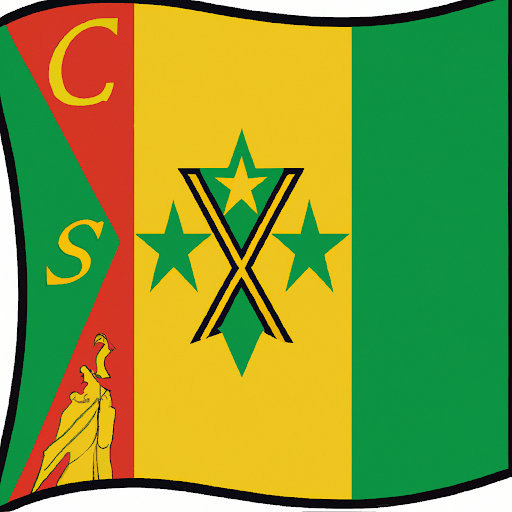
- About Saint Vincent and the Grenadines
- Cost of Living and Currency in Saint Vincent and the Grenadines
- Means of communication in Saint Vincent and the Grenadines
- Saint Vincent and the Grenadines Languages and Greetings
- Food and Cuisine in Saint Vincent and the Grenadines
- Saint Vincent and the Grenadines climate and clothing
- Security and Situation in Saint Vincent and the Grenadines
- Religion and Culture of Saint Vincent and the Grenadines
- Transportation in Saint Vincent and the Grenadines
- Major cities of Saint Vincent and the Grenadines
About Saint Vincent and the Grenadines
Saint Vincent and the Grenadines is a small island nation located in the Caribbean Sea. It is part of the Lesser Antilles chain of islands and is situated between the islands of Saint Lucia and Grenada. The country is made up of 32 islands and cays, the largest of which is Saint Vincent. The capital city is Kingstown, located on the main island of Saint Vincent.
The country is known for its stunning natural beauty, with lush rainforests, white sand beaches, and crystal clear waters. The islands are home to a variety of wildlife, including sea turtles, dolphins, and a variety of birds. The country is also known for its vibrant culture, with a mix of African, Caribbean, and European influences.
The economy of Saint Vincent and the Grenadines is largely based on tourism, with visitors coming to the islands to enjoy the beautiful scenery and beaches. The country is also known for its production of bananas, which are exported to the United States and Europe. Fishing is also an important industry, with the country’s waters providing a variety of seafood.
The people of Saint Vincent and the Grenadines are known for their friendly and welcoming nature. The official language is English, although French and Spanish are also spoken. The country is predominantly Christian, with the majority of the population belonging to the Anglican Church.
Saint Vincent and the Grenadines is a popular destination for tourists, with a variety of activities and attractions to enjoy. Visitors can explore the islands’ rainforests, relax on the beaches, or take part in a variety of water sports. The country is also home to a number of historical sites, including the ruins of Fort Charlotte and the Botanical Gardens.
Saint Vincent and the Grenadines is a beautiful and vibrant country, with a rich culture and stunning natural beauty. Whether you’re looking for a relaxing beach holiday or an adventure-filled getaway, Saint Vincent and the Grenadines has something for everyone.
Cost of Living and Currency in Saint Vincent and the Grenadines
Saint Vincent and the Grenadines is a small island nation located in the Caribbean Sea. Its official currency is the Eastern Caribbean dollar (XCD), which is also used by several other countries in the region, including Grenada, Dominica, and Antigua and Barbuda.
As of April 2023, the exchange rate is approximately 2.7 XCD to 1 USD. The cost of living in Saint Vincent and the Grenadines is generally lower than in many other Caribbean countries, although prices can vary depending on location and lifestyle.
In terms of housing, rental prices can range from around 1,000 XCD to 3,000 XCD per month for a one-bedroom apartment, depending on location and amenities. Buying property can also be relatively affordable compared to other Caribbean countries.
Food prices can also be reasonable, with a typical meal at a local restaurant costing around 25 XCD to 50 XCD. Basic groceries, such as bread, milk, and eggs, are relatively inexpensive, although imported and luxury items can be more expensive.
Transportation costs can vary depending on whether you choose to use public transportation or private vehicles. Bus fares are generally affordable, with prices starting at around 2 XCD. Taxis can be more expensive, with fares starting at around 15 XCD.
Overall, the cost of living in Saint Vincent and the Grenadines is generally lower than in many other Caribbean countries, but it can still vary depending on factors such as location and lifestyle.
Means of communication in Saint Vincent and the Grenadines
There are several SIM card and Wi-Fi router rental services available for travelers in Saint Vincent and the Grenadines. Here are some vendors you may consider:
- Digicel: Digicel is a popular telecommunications provider in Saint Vincent and the Grenadines. They offer prepaid SIM cards and data plans that can be used with unlocked devices. They also offer Wi-Fi hotspot rentals.
- Flow: Flow is another major telecommunications provider in the region. They offer prepaid SIM cards and data plans that can be used with unlocked devices. They also offer Wi-Fi hotspot rentals.
- TopUpFlow: TopUpFlow is an online service that allows travelers to purchase prepaid SIM cards and data plans for Flow and other Caribbean telecommunications providers. They also offer Wi-Fi hotspot rentals.
- LIME: LIME is a regional telecommunications provider that offers prepaid SIM cards and data plans that can be used with unlocked devices. They also offer Wi-Fi hotspot rentals.
- My Webspot: My Webspot is an online service that allows travelers to rent Wi-Fi hotspots that can be used in Saint Vincent and the Grenadines and other Caribbean countries.
It’s recommended to check with each provider for the latest pricing and availability information.
Saint Vincent and the Grenadines Languages and Greetings
The official language of Saint Vincent and the Grenadines is English, which is widely spoken and understood throughout the country. However, there are also some local dialects that are spoken, including Vincentian Creole English.
Here are some simple greetings in English that you can use in Saint Vincent and the Grenadines:
- Hello: Hi (pronounced “hi”)
- Good morning: Good morning (pronounced “good mawnin”)
- Good afternoon: Good afternoon (pronounced “good affuh-noon”)
- Good evening: Good evening (pronounced “good evenin”)
- Goodbye: Goodbye (pronounced “good-bye”)
Other common phrases you may find useful include:
- Please: Please (pronounced “pleez”)
- Thank you: Thank you (pronounced “thank you”)
- Yes: Yes (pronounced “yes”)
- No: No (pronounced “no”)
It’s worth noting that in Vincentian Creole English, there are some differences in pronunciation and vocabulary compared to standard English. For example, “I” is often pronounced as “ah” and “you” is often pronounced as “yuh”. If you’re interested in learning more about the local dialect, you may want to consider taking a local language or culture class.
Food and Cuisine in Saint Vincent and the Grenadines
Saint Vincent and the Grenadines has a diverse and flavorful food culture that draws from African, European, and indigenous Caribbean influences. Some of the most popular dishes and drinks you may want to try include:
- Seafood: Being an island nation, seafood plays a significant role in the cuisine of Saint Vincent and the Grenadines. Some of the most popular seafood dishes include grilled fish, fish cakes, and conch fritters.
- Breadfruit: Breadfruit is a starchy fruit that is often boiled, roasted, or fried and served as a side dish. It has a slightly sweet, nutty flavor and a texture that is similar to bread or potatoes.
- Callaloo: Callaloo is a soup or stew made with leafy green vegetables such as taro leaves, spinach, or amaranth. It often includes other ingredients such as okra, coconut milk, and sometimes seafood or meat.
- Roti: Roti is a type of flatbread that is common in many Caribbean countries, including Saint Vincent and the Grenadines. It is often filled with a savory filling such as curried chicken or goat, potatoes, and vegetables.
- Rum punch: Rum punch is a popular cocktail in Saint Vincent and the Grenadines and throughout the Caribbean. It typically includes rum, fruit juices, and sometimes spices such as nutmeg or cinnamon.
- Hairoun beer: Hairoun beer is a locally brewed beer that is named after the indigenous name for Saint Vincent and the Grenadines. It is a light, refreshing beer that is often enjoyed with a meal or on its own.
- Coconut water: Coconut water is a refreshing drink that is widely available throughout Saint Vincent and the Grenadines. It is a natural source of hydration and is often served fresh from the coconut.
These are just a few examples of the many delicious foods and drinks you can enjoy in Saint Vincent and the Grenadines. It’s worth exploring the local cuisine to discover your own favorites!
Saint Vincent and the Grenadines climate and clothing
Saint Vincent and the Grenadines has a tropical climate with warm temperatures year-round, ranging from the mid-70s to mid-80s Fahrenheit (around 24 to 30 degrees Celsius). The weather is generally sunny, but there is a chance of rain throughout the year, especially during the rainy season from June to November.
When it comes to clothing, lightweight and breathable fabrics are recommended due to the warm and humid climate. Shorts, t-shirts, and sundresses are suitable for casual wear, while lightweight pants and blouses or button-down shirts are suitable for more formal occasions. A light jacket or sweater may be necessary in the evenings, particularly in the cooler months from December to February.
It’s also important to bring appropriate footwear, such as sandals or sneakers, as well as a hat or other sun protection, as the sun can be quite strong. If you plan to spend time on the beach or in the water, be sure to bring a swimsuit and beachwear.
Overall, the key to dressing for the weather in Saint Vincent and the Grenadines is to prioritize comfort and breathability while also being prepared for occasional rain or cooler temperatures.
Security and Situation in Saint Vincent and the Grenadines
Saint Vincent and the Grenadines is generally considered a safe country for visitors. However, like any destination, it is important to take basic precautions to ensure your safety and security while traveling. Here are some tips to keep in mind:
- Be aware of your surroundings: Stay alert when walking around and be aware of your surroundings. Avoid walking alone at night in unfamiliar areas.
- Secure your belongings: Keep your valuables, such as passports, money, and electronics, in a safe and secure place. Be aware of pickpockets in crowded areas, such as markets or public transportation.
- Respect local customs: Be respectful of local customs and traditions, especially when visiting religious sites or participating in cultural events.
- Follow beach safety guidelines: When enjoying the beaches in Saint Vincent and the Grenadines, be aware of potential hazards such as strong currents or riptides. Follow any posted safety guidelines and ask locals for advice if needed.
- Monitor local news: Stay informed about any developments or security concerns in the area by monitoring local news sources and following any instructions from local authorities.
Overall, Saint Vincent and the Grenadines is a relatively safe destination for travelers, but it’s always a good idea to take basic precautions to ensure your safety and security while enjoying your stay.
Religion and Culture of Saint Vincent and the Grenadines
Saint Vincent and the Grenadines has a diverse culture with influences from African, European, and indigenous Caribbean traditions. The country’s official language is English, and the majority of the population is Christian, with Anglican, Methodist, and Seventh-day Adventist being the most common denominations.
Religion plays an important role in the culture of Saint Vincent and the Grenadines, and there are many churches, chapels, and other places of worship throughout the country. Sunday is considered a day of rest and worship, and many businesses and public services may be closed or have limited hours on this day.
In addition to religion, music and dance are also an important part of the culture in Saint Vincent and the Grenadines. The country has a rich tradition of calypso, soca, and reggae music, which is often performed during festivals and other cultural events. The national instrument is the steelpan, a percussion instrument made from a steel drum that was invented in neighboring Trinidad and Tobago.
The food culture of Saint Vincent and the Grenadines is also a significant part of the country’s cultural heritage. The cuisine is heavily influenced by African, European, and indigenous Caribbean flavors and ingredients, and seafood is a staple of many dishes.
Overall, the culture of Saint Vincent and the Grenadines is diverse and vibrant, with a strong emphasis on religion, music, and food. Visitors to the country can experience this unique blend of traditions and customs through cultural events, festivals, and interactions with locals.
Transportation in Saint Vincent and the Grenadines
Saint Vincent and the Grenadines has several transportation options available for visitors:
- Taxis: Taxis are readily available on the main island of Saint Vincent and can be hired for a flat fee or by the meter. Taxis are not metered on the smaller islands of the Grenadines, so it’s important to negotiate a fare before starting your journey.
- Rental cars: Rental cars are available on the main island of Saint Vincent, but they are less common on the smaller islands. Drivers must have a valid driver’s license and be at least 25 years old to rent a car.
- Buses: Public buses are available on the main island of Saint Vincent and are a relatively inexpensive way to get around. Buses run on fixed routes and fares are paid in cash upon boarding.
- Water taxis: Water taxis are available for transportation between the islands of the Grenadines. They can be hired for private transport or shared with other passengers.
- Ferries: Ferries are available for transportation between the islands of the Grenadines and are operated by various companies. Schedules and fares may vary depending on the company and time of year.
- Air travel: The main airport in Saint Vincent and the Grenadines is the Argyle International Airport, which serves several international and regional destinations. There are also several small airports on the smaller islands of the Grenadines that offer domestic flights.
Overall, transportation options in Saint Vincent and the Grenadines are relatively limited, but visitors can choose from a variety of options depending on their needs and budget.
Major cities of Saint Vincent and the Grenadines
Saint Vincent and the Grenadines is a small island nation, and it does not have any major cities. However, it does have several towns and villages that serve as commercial and cultural centers. Here are three of the largest and most notable:
- Kingstown: Kingstown is the capital and largest city in Saint Vincent and the Grenadines. Located on the island of Saint Vincent, it is home to a bustling harbor and many historical sites, including Fort Charlotte and the St. Vincent Botanical Gardens. Kingstown is also a hub for shopping, dining, and entertainment, with many shops, restaurants, and bars located throughout the city.
- Georgetown: Georgetown is a small town located on the island of Saint Vincent. It is known for its beautiful beaches, including the popular Vermont Beach and Dark View Falls. Georgetown is also home to several cultural sites, such as the Old Hegg Turtle Sanctuary and the La Soufriere Volcano.
- Bequia: Bequia is a small island in the Grenadines that is known for its beautiful beaches, crystal-clear waters, and relaxed atmosphere. The island is home to several small towns and villages, including Port Elizabeth, which is the main commercial center. Visitors to Bequia can enjoy snorkeling, diving, sailing, and other water sports, as well as hiking and exploring the island’s natural beauty.

コメント