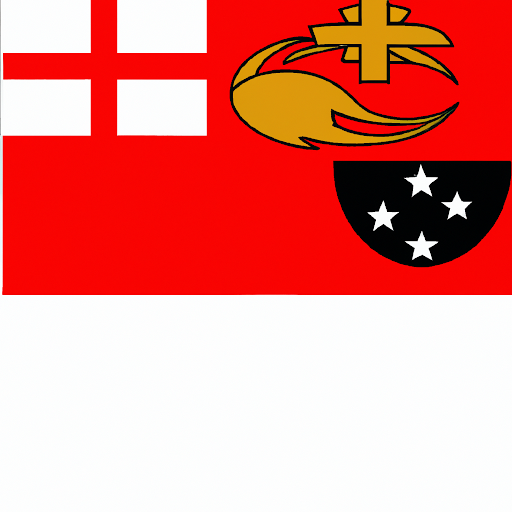
About Tonga
Tonga is an archipelago of 169 islands located in the South Pacific Ocean, about two-thirds of the way from Hawaii to New Zealand. It is the only remaining monarchy in the Pacific Islands and is known for its rich culture and stunning natural beauty.
Tonga is made up of four main island groups: Tongatapu, Ha’apai, Vava’u, and Niuas. The capital, Nuku’alofa, is located on the main island of Tongatapu. The population of Tonga is approximately 103,000 people, with the majority of the population living on Tongatapu.
Tonga is a popular tourist destination, with its stunning beaches, lush rainforests, and vibrant coral reefs. Visitors can explore the islands by boat, kayak, or on foot. There are also plenty of activities to enjoy, such as snorkeling, diving, fishing, and sailing.
The culture of Tonga is deeply rooted in its Polynesian heritage. The people of Tonga are known for their hospitality and friendly nature. Traditional music and dance are still popular, and visitors can experience the culture firsthand by attending a local festival or visiting a village.
Tonga is also home to a number of unique wildlife species, including the endangered dugong, humpback whales, and sea turtles. The islands are also home to a variety of bird species, including the endangered white-throated storm petrel.
Tonga is a great destination for those looking for a relaxing holiday. The islands offer a variety of accommodation options, from luxury resorts to budget-friendly guesthouses. There are also plenty of restaurants and bars to explore, as well as markets and shops selling local crafts and souvenirs.
Tonga is a beautiful and unique destination that offers something for everyone. Whether you’re looking for a relaxing beach holiday or an adventure-filled exploration of the islands, Tonga is sure to provide an unforgettable experience.
Cost of Living and Currency in Tonga
Tonga’s official currency is the Tongan pa’anga (TOP). It is divided into 100 seniti (cents) and is pegged to the Australian dollar at a fixed rate of 1 AUD to 1.28 TOP.
In terms of the cost of living in Tonga, it is generally lower than in many Western countries. However, it can vary depending on the lifestyle and needs of an individual or family. Some expenses such as accommodation, utilities, and transportation can be relatively affordable, while others like imported goods and luxury items may be more expensive due to the country’s geographic location and limited availability.
The cost of food can also vary depending on whether you choose to eat locally grown produce or imported goods. Tonga has a vibrant fishing industry, and seafood is often a staple in the local diet. Dining out can range from affordable street food to more expensive restaurants.
Overall, the cost of living in Tonga can be considered moderate, and many people find it to be a peaceful and affordable place to live.
Means of communication in Tonga
There are several options available for travelers looking to rent a SIM card or wifi router in Tonga. Here are a few examples:
- TCC (Tonga Communications Corporation) offers a variety of SIM card and wifi hotspot rental options for travelers. They have a range of plans to suit different needs, including both prepaid and postpaid options. You can visit their website or visit one of their retail stores in Nuku’alofa or Neiafu to purchase a SIM card or rent a wifi hotspot.
- Digicel is another option for travelers looking to stay connected in Tonga. They offer both prepaid and postpaid SIM card options, as well as wifi hotspot rentals. You can purchase a SIM card at their retail stores or online, and they also offer a mobile app for managing your account.
- Another option is to rent a wifi hotspot from a local vendor such as Tonga Wifi. They offer a range of rental packages starting from one day up to one month, and you can pick up and drop off the hotspot at their office in Nuku’alofa.
It’s worth noting that availability and pricing may vary depending on the vendor and the time of year, so it’s a good idea to research your options and compare prices before making a decision.
Tonga Languages and Greetings
he Tongan language is the national language of Tonga and is also spoken in some parts of Fiji, Samoa, and New Zealand. Here are some simple greetings in Tongan, along with their pronunciation:
- Hello – Malo e lelei (pronounced: mah-loh-eh-leh-leh-ee)
- Goodbye – ‘Ofa atu (pronounced: oh-fah-ah-too)
- Thank you – Fefe hake (pronounced: feh-feh hah-keh)
- Please – ‘Ofa ke mou ma’u (pronounced: oh-fah-keh-moh-mah-oo)
- How are you? – Ko e fiefia ‘a e hao? (pronounced: koh-eh-fee-eh-fee-ah-eh-hah-oh)
These are just a few examples of basic greetings in Tongan. If you want to learn more, there are many online resources available that can help you to develop your language skills.
Food and Cuisine in Tonga
Tongan food culture is characterized by its emphasis on fresh, locally sourced ingredients and traditional cooking techniques. The cuisine is a blend of Polynesian and Melanesian influences and incorporates a variety of tropical fruits, vegetables, and seafood.
Here are some recommended foods and drinks to try in Tonga:
- Lu Sipi – a traditional Tongan dish made with lamb or mutton, taro leaves, coconut milk, onions, and garlic, all wrapped in banana leaves and steamed.
- Ota Ika – a popular dish made with raw fish marinated in coconut cream, lime juice, and onions. It is typically served as an appetizer or light meal.
- Umu – a traditional Tongan cooking method that involves baking food in an underground oven. This is often used to cook meats, fish, and root vegetables.
- ‘Otai – a refreshing drink made with coconut milk, water, and fresh fruit such as watermelon or pineapple. It is often served chilled as a dessert or snack.
- Kava – a traditional drink made from the root of the kava plant. It is known for its relaxing and calming properties and is often consumed during ceremonies and social gatherings.
- Topai – a sweet and sticky dessert made from glutinous rice flour, coconut milk, and sugar. It is often served with fresh fruit or a scoop of ice cream.
These are just a few examples of the many delicious foods and drinks to try in Tonga. As with any culture, there are many more traditional dishes and flavors to explore, so be sure to try as much as you can during your visit!
Tonga climate and clothing
Tonga has a tropical climate with two distinct seasons: a warm and humid season from December to April, and a cooler and drier season from May to November. Temperatures are generally warm throughout the year, ranging from the mid-20s to mid-30s Celsius (mid-70s to mid-90s Fahrenheit), although it can feel hotter and more humid during the summer months.
When it comes to what to wear in Tonga, lightweight and breathable clothing is recommended due to the warm and humid climate. Shorts, t-shirts, and sundresses are appropriate for everyday wear, and it’s a good idea to bring a hat and sunglasses to protect yourself from the sun.
If you plan on visiting any religious sites or attending formal events, it’s important to dress modestly. This means covering your shoulders and knees and avoiding revealing or tight clothing.
It’s also a good idea to pack a light jacket or sweater for the cooler evenings and air-conditioned indoor spaces, especially during the winter months.
When packing for outdoor activities, such as swimming or snorkeling, be sure to bring a swimsuit and water shoes, as well as sunscreen and a rash guard for sun protection.
Overall, the key is to pack lightweight and breathable clothing that will keep you comfortable in the warm and humid climate, while also respecting local customs and cultural norms.
Security and Situation in Tonga
Tonga is generally considered a safe and peaceful country, with low levels of crime and few security concerns for travelers. The Tongan government places a high priority on maintaining public safety, and the police force is generally efficient and effective.
However, as with any destination, it’s important to exercise common sense and take precautions to ensure your safety. Petty crime, such as theft and pickpocketing, can occur in tourist areas, so it’s important to keep a close eye on your belongings and avoid carrying large amounts of cash or valuable items with you.
It’s also important to be respectful of local customs and culture, and to dress modestly when visiting religious sites or attending formal events.
In terms of natural disasters, Tonga is located in the Pacific Ring of Fire and is at risk for earthquakes, volcanic eruptions, and tsunamis. It’s important to stay informed about weather and seismic conditions and to follow the advice of local authorities in the event of an emergency.
Overall, Tonga is considered a safe and welcoming destination for travelers, but it’s important to exercise caution and take necessary precautions to ensure your safety and well-being.
Religion and Culture of Tonga
Religion and culture are intertwined in Tonga, where the majority of the population is Christian and the traditional Polynesian culture is deeply rooted in family, community, and respect for elders.
Christianity, particularly the Free Wesleyan Church of Tonga, is the dominant religion in Tonga. The church plays a significant role in Tongan society, and many cultural practices and events are closely tied to the church calendar. For example, Sunday is observed as a day of rest, and many businesses and services are closed.
Tongan culture is characterized by a strong sense of community and respect for hierarchy and tradition. Family and extended family networks are highly valued, and social relationships are often based on kinship and reciprocity.
Respect for elders is also an important cultural value in Tonga. Older family members are highly respected and often serve as advisors and mentors to younger generations.
Traditional Tongan arts and crafts, such as weaving, carving, and tattooing, are still practiced and highly valued. Music and dance are also an important part of Tongan culture, with traditional forms such as lakalaka and ma’ulu’ulu often performed at community events and celebrations.
Overall, Tonga’s culture is deeply rooted in tradition and family, and Christianity plays a significant role in daily life. Visitors to Tonga can experience the rich cultural heritage of the islands through music, dance, food, and traditional arts and crafts.
Transportation in Tonga
In Tonga, there are several modes of transportation available to visitors, including:
- Taxis: Taxis are widely available in Tonga, particularly in the main towns and cities. Taxis are metered, but fares can also be negotiated in advance.
- Buses: Buses are the most common form of public transportation in Tonga, and they operate on set routes throughout the islands. Bus fares are relatively cheap, but the schedules can be unpredictable.
- Rental cars: Rental cars are available on the main islands of Tongatapu and Vava’u, and can be a convenient way to explore the islands at your own pace. However, it’s important to note that driving is on the left side of the road in Tonga, and roads can be narrow and winding.
- Scooters and bicycles: Scooters and bicycles can also be rented on Tongatapu and Vava’u, and can be a fun and economical way to explore the islands. However, it’s important to wear a helmet and exercise caution when riding on the roads.
- Water taxis and ferries: Water taxis and ferries operate between the islands of Tonga, and can be a convenient way to travel between the islands. However, schedules can be unpredictable and subject to weather conditions.
Overall, transportation in Tonga is relatively affordable and accessible, but it’s important to plan ahead and be flexible when traveling around the islands.
Major cities of Tonga
Tonga is a small country with only a few urban centers. Here are three major cities in Tonga and an overview of each:
- Nuku’alofa: Located on the main island of Tongatapu, Nuku’alofa is the capital and largest city in Tonga. It’s home to a significant portion of the country’s population and is the center of government, commerce, and industry. Nuku’alofa has a mix of modern and traditional buildings, with highlights including the Royal Palace, Talamahu Market, and the Tonga National Museum. Visitors can also enjoy the beach and waterfront areas, as well as local restaurants, bars, and nightlife.
- Neiafu: Neiafu is the second-largest city in Tonga and is located on the island of Vava’u. It’s a popular destination for tourists, thanks to its picturesque harbor, sandy beaches, and stunning natural scenery. Neiafu is known for its sailing and yacht charters, and visitors can also enjoy activities such as snorkeling, diving, and whale watching. The city has a range of accommodations, restaurants, and shops, as well as cultural attractions such as the Vava’u Cultural Centre.
- Haveluloto: Haveluloto is a small town located just outside of Nuku’alofa on Tongatapu island. It’s primarily a residential area, but it’s also home to a number of local businesses and shops. Haveluloto is known for its community-based initiatives, including a community garden project and a youth center. Visitors can also check out local cultural events and activities, such as traditional dance performances and weaving demonstrations.

コメント