- About Turkmenistan
- Cost of Living and Currency in Turkmenistan
- Means of communication in Turkmenistan
- Turkmenistan Languages and Greetings
- Food and Cuisine in Turkmenistan
- Turkmenistan climate and clothing
- Security and Situation in Turkmenistan
- Religion and Culture of Turkmenistan
- Transportation in Turkmenistan
- Major cities of Turkmenistan
About Turkmenistan
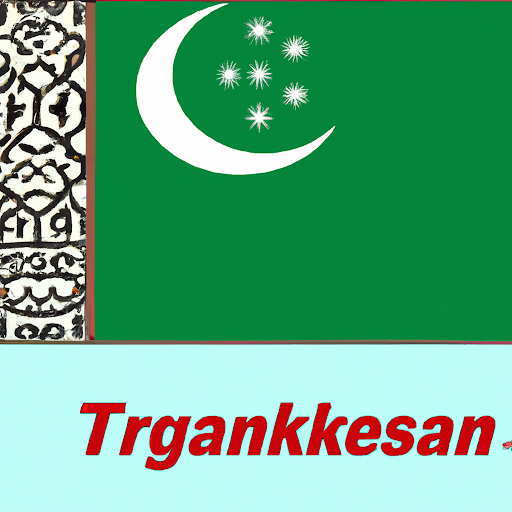
Turkmenistan is a Central Asian country located between Iran and Uzbekistan. It is bordered by the Caspian Sea to the west and the Amu Darya River to the east. The country is home to a population of around 5.5 million people, and the official language is Turkmen.
Turkmenistan is a landlocked country with a desert climate. The terrain is mostly flat-to-rolling sandy desert with dunes, and the country is rich in natural gas and oil reserves. The capital city of Ashgabat is located in the south-central part of the country.
The history of Turkmenistan dates back to the 4th century BC, when it was part of the Persian Empire. In the 8th century, the region was conquered by the Arabs and became part of the Islamic Caliphate. In the 13th century, the Mongols invaded and the region was divided into several small states. In the 19th century, the region was annexed by the Russian Empire and became part of the Soviet Union in 1924.
Turkmenistan declared its independence from the Soviet Union in 1991 and has since become a presidential republic. The current president is Gurbanguly Berdimuhamedow, who has been in office since 2007.
The economy of Turkmenistan is largely based on its natural resources, such as oil and gas. The country is also a major producer of cotton and has a growing tourism industry.
The culture of Turkmenistan is a mix of traditional Turkmen and Islamic influences. The traditional Turkmen culture is based on nomadic pastoralism and is centered around the family. The traditional Turkmen dress is colorful and ornate, and the cuisine is a mix of Central Asian and Middle Eastern dishes.
The religion of Turkmenistan is predominantly Sunni Islam, and the country is home to a number of mosques and religious schools. The country also has a small Christian minority.
Turkmenistan is a member of the United Nations, the Organization of Islamic Cooperation, and the Commonwealth of Independent States. It is also a member of the Shanghai Cooperation Organization and the Economic Cooperation Organization.
Turkmenistan is a fascinating country with a rich history and culture. It is a land of deserts and mountains, and its people are friendly and welcoming. With its natural resources and growing economy, Turkmenistan is an interesting destination for travelers and investors alike.
Cost of Living and Currency in Turkmenistan
Turkmenistan’s currency is the Turkmenistan manat (TMT), which was introduced in 2009 to replace the previous manat at a rate of 1 new manat to 5,000 old manats. The TMT is divided into 100 tenge.
The cost of living in Turkmenistan can vary depending on where you are and what your lifestyle is like. In general, prices for basic goods and services in Turkmenistan are relatively low compared to many other countries. However, the availability of certain products can be limited, and the quality of some goods and services may not meet Western standards.
According to Numbeo, a website that compares cost of living in different countries, the cost of living index in Turkmenistan is 28.61, which is relatively low compared to the global average of 100. Rent prices are also low in Turkmenistan, with a one-bedroom apartment in the city center costing around 450 TMT (about $130 USD) per month on average. However, some imported goods can be expensive due to high import duties and limited availability.
Overall, while the cost of living in Turkmenistan can be relatively low compared to other countries, it is important to keep in mind that the country’s economy is largely based on the export of natural gas, and the government maintains a tight grip on many aspects of daily life.
Means of communication in Turkmenistan
There were limited options for SIM card and wifi router rental services for travelers in Turkmenistan, as the country has strict regulations on communication services.
One option for travelers is to purchase a local SIM card from one of the country’s two mobile operators, Altyn Asyr or TM Cell. These SIM cards can be purchased at their offices in major cities and at the airport upon arrival. However, it’s important to note that foreign visitors are required to register their SIM cards with the government within three days of arrival.
As for wifi router rental services, there were limited options available for travelers as well. Some hotels may offer wifi access, but the quality and speed of the connection can vary.
It’s advisable to check with your hotel or travel agent to see if they can assist with SIM card or wifi rental arrangements. Additionally, it’s recommended to check the latest travel advice from your embassy or consulate before traveling to Turkmenistan, as regulations and services may change.
Turkmenistan Languages and Greetings
The official language of Turkmenistan is Turkmen, which is a Turkic language that is similar to Turkish and Azerbaijani. Here are some simple greetings and phrases in Turkmen along with their pronunciation:
- Hello – “Salam” (sah-LAHM)
- Goodbye – “Sag bolun” (sahg BOH-loon)
- Thank you – “Sag bolun” (sahg BOH-loon)
- Yes – “Hawa” (HAH-wah)
- No – “Ýok” (yohk)
- Please – “Iňlemek” (een-leh-MEHK)
- Excuse me – “Kechirasyz” (keh-chee-rah-SUHZ)
- How are you? – “Näme hat?” (nah-MEH haht?)
- I’m fine, thank you – “Maňa sag bol” (mah-NAA sahg BOHL)
- What is your name? – “Siz adynyzy näme?” (sehz AH-dynyz nah-MEH?)
- My name is ___ – “Meniň adym ___” (meh-NYNG AH-dum ___)
Note that Turkmen uses the Latin alphabet, and the pronunciation of some letters may be different from what you’re used to in English. For example, “a” is pronounced like “uh”, “y” is pronounced like “uh” or “i”, and “ň” is pronounced like “ny” as in the word “canyon”.
Food and Cuisine in Turkmenistan
Turkmenistan’s food culture is heavily influenced by its location at the crossroads of Central Asia and the Middle East. Traditional Turkmen cuisine is characterized by its use of meat, bread, and dairy products, as well as herbs and spices like cumin, coriander, and turmeric.
Here are some of the recommended foods and drinks to try in Turkmenistan:
- Shashlik – These are skewered and grilled chunks of marinated meat, usually lamb or beef. They are often served with bread and raw onions.
- Plov – This is a rice dish that is similar to pilaf or biryani, and it usually contains meat (usually lamb or beef), carrots, onions, and sometimes raisins or other dried fruit.
- Manty – These are steamed dumplings filled with minced meat and onions, similar to Chinese dumplings or Japanese gyoza.
- Laghman – This is a noodle dish that is similar to Chinese or Central Asian hand-pulled noodles. It is often served with a meat and vegetable sauce.
- Chal – This is a type of bread that is similar to naan or lavash. It is often served with meals and used to scoop up sauces and dips.
- Ayran – This is a yogurt-based drink that is often served with meals. It is made by mixing yogurt with water and sometimes salt or herbs.
- Chalap – This is a fermented milk drink that is similar to kefir or buttermilk. It is often served as a refreshing drink in hot weather.
- Shorpa – This is a hearty soup that is often made with lamb or beef, potatoes, carrots, and onions.
- Gyzyl shashlyk – This is a type of shashlik that is made with horse meat, which is considered a delicacy in Turkmenistan.
- Samsa – These are small baked or fried pastries filled with meat, onions, and sometimes potatoes or pumpkin.
These are just a few of the many delicious foods and drinks that you can try in Turkmenistan. The country’s cuisine is rich and diverse, and there is something to suit every taste.
Turkmenistan climate and clothing
Turkmenistan has a subtropical desert climate with hot summers and cool winters. Temperatures can reach up to 50°C (122°F) in the summer months (June to August) and can drop below freezing in the winter months (December to February). Here is a breakdown of the weather and what to wear during each season in Turkmenistan:
Summer (June to August): During the summer months, temperatures in Turkmenistan can be extremely hot and dry, so it’s important to wear lightweight, loose-fitting clothing that covers your skin from the sun’s harmful rays. Light-colored, breathable fabrics like cotton and linen are recommended. You should also wear a hat to protect your head and face from the sun, and sunglasses to protect your eyes. Sandals or other open-toed shoes are a good choice for footwear, as they allow your feet to breathe.
Fall (September to November): Fall in Turkmenistan is mild and pleasant, with temperatures ranging from 10°C (50°F) to 25°C (77°F). Lightweight clothing is still recommended, but you may want to bring a light jacket or sweater for cooler evenings.
Winter (December to February): Winter in Turkmenistan can be chilly, with temperatures dropping below freezing at night. It’s important to dress in layers so you can adjust your clothing as needed. A warm jacket, hat, gloves, and scarf are also recommended.
Spring (March to May): Spring in Turkmenistan is warm and sunny, with temperatures ranging from 15°C (59°F) to 30°C (86°F). Lightweight clothing is recommended, but you may want to bring a light jacket or sweater for cooler evenings.
Overall, it’s important to dress appropriately for the weather and climate in Turkmenistan, and to be prepared for sudden changes in temperature or weather conditions. Additionally, it’s important to be respectful of local customs and dress modestly when visiting religious sites or other cultural attractions.
Security and Situation in Turkmenistan
Turkmenistan is generally considered a safe country to visit. Crime rates are relatively low, and violent crime is rare. However, visitors should still take basic precautions to protect themselves and their belongings, particularly in crowded areas and tourist sites where pickpocketing and other petty theft can occur.
The government of Turkmenistan maintains tight control over the country, and freedom of speech and freedom of the press are limited. Political demonstrations and protests are not allowed, and those who engage in them can face arrest or other legal consequences.
Foreigners should also be aware of the laws and regulations in Turkmenistan. The possession and use of drugs is strictly prohibited, and the penalties for drug offenses can be severe. Additionally, same-sex sexual activity is illegal in Turkmenistan and can result in arrest and imprisonment.
Visitors should also be aware of the ongoing COVID-19 pandemic, and should follow local health guidelines and restrictions to prevent the spread of the virus.
In summary, while Turkmenistan is generally considered a safe country to visit, visitors should take basic precautions to protect themselves and be aware of the laws and regulations in the country.
Religion and Culture of Turkmenistan
Turkmenistan has a rich and diverse cultural heritage that has been shaped by centuries of history and various influences, including Islamic, Persian, Russian, and Soviet cultures. Islam is the dominant religion in Turkmenistan, with over 89% of the population practicing Sunni Islam. However, the country also has a significant minority of Orthodox Christians and followers of other religions, such as Judaism and Zoroastrianism.
Turkmenistan’s culture is heavily influenced by its Islamic heritage, with many traditional practices and customs tied to religious beliefs. For example, the traditional Turkmen wedding ceremony is steeped in Islamic rituals, such as reciting prayers and reading passages from the Quran. Similarly, many Turkmen festivals and holidays are linked to Islamic events, such as the holy month of Ramadan and the Eid al-Fitr celebration.
In addition to Islamic influences, Turkmenistan’s culture also reflects its nomadic past and strong traditions of hospitality and respect for elders. Many aspects of traditional Turkmen culture, such as the colorful embroidery and weaving used in clothing and home decor, reflect the country’s nomadic heritage. Hospitality is also an important part of Turkmen culture, with guests being welcomed with tea and sweets and treated with great respect and generosity.
Turkmenistan’s government also places a strong emphasis on promoting national culture and identity, with a range of state-sponsored events and initiatives aimed at preserving and celebrating the country’s cultural heritage. For example, the government has established a number of museums and cultural centers dedicated to showcasing Turkmen art, music, and literature, as well as sponsoring annual festivals and events to celebrate national holidays and cultural traditions.
Transportation in Turkmenistan
Turkmenistan has several modes of transportation available for both locals and visitors. Here are some of the main transportation options in the country:
- Buses: Buses are the most common form of public transportation in Turkmenistan. They are generally cheap and reliable, with routes that cover most major cities and towns.
- Taxis: Taxis are widely available in Turkmenistan, and can be either shared or private. Shared taxis, known as “marshrutkas,” follow set routes and are a popular option for getting around within cities. Private taxis can be hired for longer distances or for more flexibility.
- Trains: Turkmenistan has a railway network that connects most major cities and towns. Trains are generally comfortable and reliable, although they can be slow.
- Air travel: Turkmenistan has several airports, with regular flights connecting major cities within the country and to other international destinations. Turkmenistan Airlines is the national carrier and operates both domestic and international flights.
- Car rental: Car rental services are available in major cities in Turkmenistan, although they can be expensive. Visitors should be aware that driving in Turkmenistan can be challenging, with poor road conditions and aggressive drivers.
Overall, while Turkmenistan’s transportation infrastructure may not be as well-developed as in some other countries, there are still several options available for getting around, depending on your budget and preferences.
Major cities of Turkmenistan
Turkmenistan has five major cities, but here are the three largest cities in the country and an overview of each:
- Ashgabat: Ashgabat is the capital and largest city in Turkmenistan, with a population of over one million people. The city is known for its grand architecture, with many buildings featuring marble facades and ornate decorations. Ashgabat is also home to several museums, including the National Museum of Turkmenistan and the Ashgabat Fine Arts Museum. Additionally, the city has several parks and green spaces, including the popular Independence Park.
- Turkmenabat: Turkmenabat is the second-largest city in Turkmenistan, with a population of around 250,000 people. It is located in the eastern part of the country and is an important transportation hub, with several major highways passing through the city. Turkmenabat is also home to several notable mosques and historical sites, including the Mashhadi Mosque and the Koytendag Historical and Archaeological Museum-Reserve.
- Dasoguz: Dasoguz is the third-largest city in Turkmenistan, with a population of around 200,000 people. It is located in the northern part of the country and is known for its cultural and historical significance. The city has several notable sites, including the Dasoguz Veloyat Museum of Local Lore and History and the Kyrkgyz Historical and Cultural Reserve. Dasoguz is also a popular destination for tourists interested in exploring the nearby ancient ruins of Kunya-Urgench, a UNESCO World Heritage site.
コメント