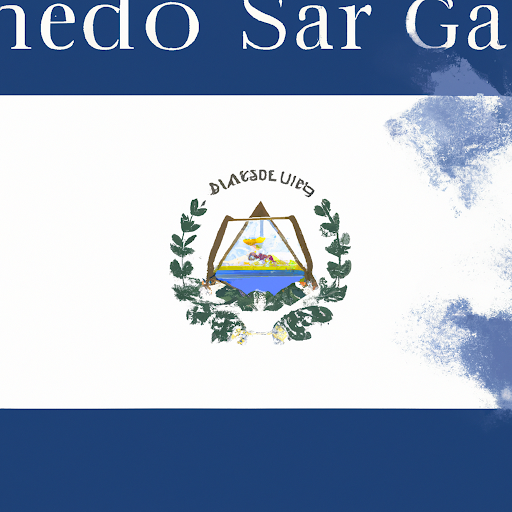
- About El Salvador
- Cost of Living and Currency in El Salvador
- Means of communication in El Salvador
- El Salvador Languages and Greetings
- Food and Cuisine in El Salvador
- El Salvador climate and clothing
- Security and Situation in El Salvador
- Religion and Culture of El Salvador
- Transportation in El Salvador
- Major cities of El Salvador
About El Salvador
El Salvador is a small Central American country located between Guatemala and Honduras. It is the smallest and most densely populated country in the region, with a population of 6.4 million people. El Salvador is known for its rich culture, vibrant cities, and stunning natural beauty.
The country is home to a variety of landscapes, from lush rainforests to volcanic mountains. The capital city of San Salvador is a bustling metropolis, with a vibrant nightlife and a wide range of cultural attractions. The country is also home to some of the most beautiful beaches in Central America, with white sand and crystal clear waters.
El Salvador is a predominantly Catholic country, with over 90% of the population identifying as Catholic. The country is also home to a variety of other religious groups, including Protestants, Jews, and Muslims.
The economy of El Salvador is largely based on agriculture, with coffee, sugar, and corn being the main exports. Tourism is also an important part of the economy, with visitors coming to experience the country’s stunning beaches and vibrant cities.
El Salvador is a country with a rich history and culture. The country was once part of the Mayan Empire, and many of the ruins from this period can still be seen today. The country also has a vibrant art scene, with many artists creating works inspired by the country’s history and culture.
El Salvador is a great destination for travelers looking to experience the beauty and culture of Central America. The country has something to offer everyone, from stunning beaches to vibrant cities. Whether you’re looking for a relaxing beach vacation or an adventure-filled journey, El Salvador has something for you.
Cost of Living and Currency in El Salvador
El Salvador’s currency is the US dollar. In 2001, El Salvador made the decision to adopt the US dollar as its official currency, replacing the Salvadoran colón. As a result, the country’s monetary policy is largely influenced by the decisions of the United States Federal Reserve.
The cost of living in El Salvador is relatively low compared to many other countries in the region, but it can vary depending on the region and the lifestyle you lead. Some of the factors that can influence the cost of living in El Salvador include:
- Housing: The cost of renting an apartment or owning a home in El Salvador can vary depending on the location and the size of the property.
- Food: The cost of food in El Salvador is generally affordable, especially if you stick to local cuisine. You can expect to spend more on imported or luxury food items.
- Transportation: Public transportation in El Salvador is relatively cheap, but it can be crowded and not always reliable. Owning a car can be expensive due to high import taxes.
- Healthcare: Healthcare in El Salvador is affordable compared to other countries, but the quality of care can vary depending on the hospital or clinic you visit.
- Entertainment: The cost of entertainment can be relatively low in El Salvador, with many affordable options for dining out, going to the movies, or attending cultural events.
Overall, El Salvador can be an affordable place to live, especially if you are willing to live like a local and avoid luxury items or expensive imported goods.
Means of communication in El Salvador
There are several SIM card and WiFi router rental services available for travelers in El Salvador. Here are a few options:
- Claro El Salvador: Claro is one of the largest telecommunications companies in El Salvador, and they offer both SIM card and WiFi router rentals for travelers. Their WiFi routers allow for up to 10 devices to connect simultaneously, and their SIM cards offer 4G LTE coverage.
- Tigo El Salvador: Tigo is another major telecommunications company in El Salvador, and they also offer SIM card and WiFi router rentals for travelers. Their WiFi routers allow for up to 15 devices to connect simultaneously, and their SIM cards offer 4G LTE coverage.
- Tep Wireless: Tep Wireless is a global WiFi rental company that offers WiFi hotspot rentals for travelers in El Salvador. Their hotspots allow for up to 5 devices to connect simultaneously, and they offer 4G LTE coverage.
- My Webspot: My Webspot is another global WiFi rental company that offers WiFi hotspot rentals for travelers in El Salvador. Their hotspots allow for up to 10 devices to connect simultaneously, and they offer 4G LTE coverage.
It’s important to note that there may be other SIM card and WiFi router rental services available in El Salvador, and it’s always a good idea to compare prices and reviews before making a decision.
El Salvador Languages and Greetings
The official language of El Salvador is Spanish. Here are some simple greetings and their pronunciations:
- Hello – Hola (OH-lah)
- Goodbye – Adiós (ah-dee-OHS)
- Good morning – Buenos días (BWEH-nos DEE-as)
- Good afternoon/evening – Buenas tardes (BWEH-nas TAR-des)
- Good night – Buenas noches (BWEH-nas NO-chess)
- How are you? – ¿Cómo estás? (KOH-moh ES-tahs)
- I’m fine, thank you – Estoy bien, gracias (es-TOY bee-EN, GRAH-see-as)
- What is your name? – ¿Cómo te llamas? (KOH-moh teh YAH-mas)
- My name is… – Me llamo… (meh YAH-moh)
It’s worth noting that El Salvador has its own regional dialect and accent, which may differ slightly from the standard Spanish spoken in other parts of the world. Nonetheless, these simple greetings and phrases should be easily understood by most Spanish speakers in El Salvador.
Food and Cuisine in El Salvador
El Salvador has a rich and diverse food culture, influenced by indigenous, Spanish, and other Central American cuisines. Salvadoran cuisine is known for its use of fresh ingredients, bold flavors, and traditional cooking techniques. Here are some recommended foods and drinks to try in El Salvador:
- Pupusas: Pupusas are one of the most famous Salvadoran dishes, made from a thick corn tortilla filled with cheese, beans, and/or meat. They are often served with curtido (a cabbage slaw) and tomato sauce.
- Yuca con chicharrón: This dish consists of boiled or fried yuca (cassava) served with crispy pork chicharrón and curtido.
- Sopa de res: Sopa de res is a hearty beef soup made with vegetables, corn, and rice.
- Atol de elote: Atol de elote is a sweet corn drink made with milk, sugar, and cinnamon. It’s often served as a breakfast or dessert drink.
- Horchata: Horchata is a sweet, creamy drink made from ground rice, milk, cinnamon, and sugar.
- Mariscada: Mariscada is a seafood stew made with a variety of shellfish and fish, often served with rice and tortillas.
- Tamales: Tamales in El Salvador are typically wrapped in banana leaves and filled with pork, chicken, or vegetables.
- Cafe de olla: Cafe de olla is a traditional Salvadoran coffee drink made with cinnamon, piloncillo (unrefined cane sugar), and cloves.
These are just a few of the many delicious foods and drinks you can try in El Salvador. Salvadoran cuisine is full of rich and bold flavors, and there are many unique dishes and drinks to explore.
El Salvador climate and clothing
El Salvador has a tropical climate with two distinct seasons: a dry season (November-April) and a wet season (May-October). Temperatures in El Salvador are generally warm and humid throughout the year, with average temperatures ranging from 25-30°C (77-86°F) at sea level.
Here are some tips on what to wear in El Salvador, depending on the season and activity:
- Dry season: During the dry season, temperatures can be hot and humid, so it’s best to wear light and breathable clothing such as cotton or linen. T-shirts, shorts, sundresses, and sandals are all appropriate for the weather. However, it’s also a good idea to bring a light jacket or sweater for cooler evenings or if you plan to visit higher elevations.
- Wet season: During the wet season, it’s important to be prepared for rain and humidity. Lightweight rain jackets or ponchos are essential, as well as quick-drying shoes or sandals. It’s also a good idea to bring insect repellent to protect against mosquitoes.
- Beaches: If you plan to visit the beaches in El Salvador, it’s important to pack swimwear, a hat, and sunscreen to protect against the sun. Sarongs or cover-ups are also recommended for when you’re not in the water.
- Hiking: If you plan to go hiking or exploring the countryside, it’s best to wear sturdy, comfortable shoes with good traction, as well as lightweight, breathable clothing.
Overall, it’s important to be prepared for the warm and humid weather in El Salvador, and to bring appropriate clothing for the activities you plan to do.
Security and Situation in El Salvador
El Salvador has a complex security situation, with high levels of crime and violence that are often linked to gang activity. While the overall crime rate has decreased in recent years, the country still experiences significant challenges related to public safety.
Here are some tips to stay safe while traveling in El Salvador:
- Be aware of your surroundings: Pay attention to your surroundings and avoid walking alone, especially at night. Be cautious in crowded areas, and be aware of any suspicious activity.
- Use common sense: Take common-sense precautions such as not displaying valuables in public, locking your car doors, and avoiding carrying large amounts of cash.
- Use reliable transportation: Use reliable and reputable transportation services such as taxis or ride-sharing apps, and avoid using public transportation in areas known for criminal activity.
- Stay informed: Stay informed about the current security situation and any areas that may be considered high-risk. Check with your embassy or consulate for up-to-date information.
- Respect local customs: Be respectful of local customs and culture, and avoid engaging in behavior that could be considered offensive or inappropriate.
Overall, while El Salvador can be a challenging destination in terms of security, many travelers have had successful and enjoyable trips to the country by taking appropriate precautions and staying informed about the current situation. It’s important to remain vigilant and take steps to ensure your safety while traveling in El Salvador.
Religion and Culture of El Salvador
El Salvador has a rich and diverse culture, influenced by indigenous, Spanish, and other Central American traditions. The majority of Salvadorans are Roman Catholic, but there are also significant Protestant and Evangelical Christian communities, as well as smaller populations of other religions including Judaism, Islam, and Buddhism.
Religion plays an important role in Salvadoran culture, with many religious holidays and celebrations throughout the year. Holy Week, or Semana Santa, is a particularly important holiday, with elaborate processions and celebrations in many towns and cities throughout the country.
Salvadoran culture is also known for its music, art, and literature. Traditional folk music includes styles such as cumbia, merengue, and salsa, as well as the marimba, a type of xylophone that is considered the national instrument of El Salvador. Salvadoran literature includes works by notable writers such as Roque Dalton and Claribel Alegría, who wrote about social justice and political activism.
Cuisine is also an important aspect of Salvadoran culture, with a diverse range of dishes influenced by indigenous, Spanish, and other Central American traditions. Pupusas, a type of stuffed corn tortilla, are perhaps the most well-known Salvadoran dish, but there are many other unique and delicious dishes to try as well.
Overall, El Salvador’s culture is a rich and diverse tapestry of traditions, music, art, and food that reflects the country’s history and identity.
Transportation in El Salvador
El Salvador has a variety of transportation options available for travelers, including:
- Taxis: Taxis are widely available in major cities and towns throughout El Salvador, and are often the most convenient way to get around. It’s recommended to use licensed taxis or ride-sharing apps to ensure your safety.
- Buses: Public buses are a common and affordable way to travel within El Salvador. However, they can be crowded and uncomfortable, and may not be the most convenient option for travelers.
- Rental cars: Rental cars are available at major airports and in larger cities, and can be a good option for travelers who want more flexibility and independence in their travel plans.
- Private drivers: Private drivers or tour companies can also be hired for transportation within El Salvador. This option can be more expensive, but offers more personalized service and convenience.
- Motorbikes and bicycles: Motorbikes and bicycles can be rented in some areas of El Salvador, particularly in tourist areas or beach towns.
It’s important to note that road conditions in El Salvador can be challenging, particularly in rural areas. Drivers should exercise caution and be prepared for challenging terrain and unpredictable road conditions.
Overall, there are a variety of transportation options available in El Salvador to suit different travel styles and budgets.
Major cities of El Salvador
Here are three major cities in El Salvador and an overview of each:
- San Salvador: San Salvador is the capital and largest city in El Salvador, with a population of over 2 million people. It is the political, cultural, and economic center of the country. San Salvador is a bustling city with a mix of modern buildings and historic landmarks. Some of the city’s most popular attractions include the National Palace, the Cathedral of San Salvador, and the National Museum of Anthropology.
- Santa Ana: Santa Ana is the second-largest city in El Salvador, located in the western part of the country. It is known for its beautiful architecture, including the Gothic-style Santa Ana Cathedral, and its vibrant cultural scene. The city also serves as a gateway to some of El Salvador’s most popular tourist destinations, including the nearby Santa Ana volcano and the Mayan ruins at Tazumal.
- San Miguel: San Miguel is the third-largest city in El Salvador, located in the eastern part of the country. It is known for its colonial architecture, lively street markets, and vibrant nightlife. The city is also a hub for business and commerce in the region, with many factories and manufacturing plants located in the surrounding area.
Overall, each of these three major cities in El Salvador offers a unique perspective on the country’s culture, history, and people. They are all worth visiting for travelers who want to experience the different facets of El Salvador.

コメント