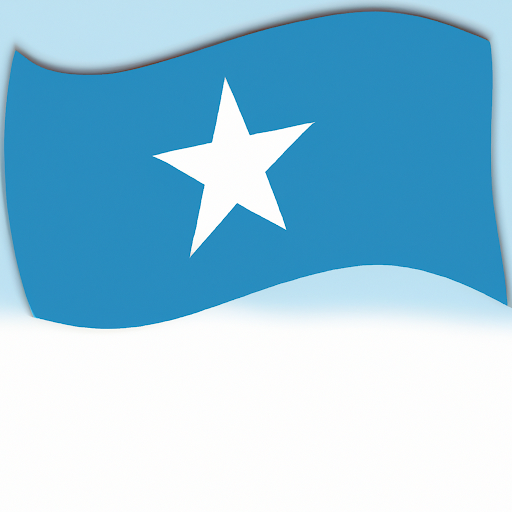
About Somalia
Somalia is a country located in the Horn of Africa, bordered by Ethiopia, Djibouti, and Kenya. It is the most populous country in the region, with a population of over 15 million people. Somalia is a predominantly Muslim country, with Islam being the official religion.
Somalia has a long and complex history, with its earliest inhabitants being the Cushitic-speaking peoples who settled in the region around 2000 BC. The Somali people are believed to have descended from these early inhabitants, and the Somali language is a member of the Cushitic language family.
In the late 19th century, Somalia was colonized by the British and Italians, and the country was divided into British Somaliland and Italian Somaliland. In 1960, the two regions were unified to form the Somali Republic.
Since then, Somalia has been plagued by civil war and political instability. In 1991, the Somali government collapsed and the country descended into chaos. This led to the rise of the militant group al-Shabaab, which has been responsible for numerous terrorist attacks in the region.
In 2012, the Somali government and the African Union launched a military offensive against al-Shabaab, which has been largely successful in pushing the group out of major cities. However, al-Shabaab still maintains a presence in some rural areas.
Despite the ongoing conflict, Somalia has made some progress in recent years. In 2016, the country held its first democratic elections in over 25 years. The elections were largely peaceful and resulted in the election of President Mohamed Abdullahi Mohamed.
The Somali economy is largely based on agriculture, with livestock being the main source of income. The country also has a small fishing industry and some mineral resources.
Somalia is a member of the African Union and the Arab League, and is a signatory to the United Nations Convention on the Law of the Sea. The country is also a member of the International Monetary Fund and the World Bank.
Despite the ongoing conflict, Somalia has made some progress in recent years. The country is slowly rebuilding its infrastructure and is working to improve its economy. The government is also working to improve security and stability in the country.
Somalia is a beautiful country with a rich culture and history. It is a country that is slowly rebuilding itself and is working to improve the lives of its citizens. With the help of the international community, Somalia can continue to make progress and become a stable and prosperous nation.
Cost of Living and Currency in Somalia
The official currency of Somalia is the Somali shilling (SOS). As of my knowledge cutoff in September 2021, the exchange rate was approximately 1 USD to 6,000 SOS. However, the exchange rate can be volatile due to Somalia’s political instability and economic challenges.
The cost of living in Somalia can vary greatly depending on the region and city. In general, the cost of living in Somalia is relatively low compared to many other countries. However, the country has faced years of civil unrest, which has led to a weak economy and limited access to basic necessities for many citizens.
Food prices in Somalia can be quite affordable, especially if you stick to local markets and street vendors. However, the cost of imported goods can be high due to transportation costs and import taxes. Additionally, access to clean water, electricity, and healthcare can be limited in many areas, which can impact the cost of living for those who need these services.
Overall, Somalia is a country that has faced significant challenges in recent years, including political instability and economic hardship. While the cost of living can be relatively low in some areas, the country’s overall lack of infrastructure and basic necessities can make life difficult for many citizens.
Means of communication in Somalia
As of my knowledge cutoff in September 2021, there are limited SIM card and wifi router rental services available for travelers in Somalia, and those that do exist may not always be reliable or widely available.
One potential option for travelers is to purchase a SIM card from a local mobile network provider, such as Hormuud Telecom or Telesom. These companies offer prepaid SIM cards that can be used with unlocked phones, and they may also offer mobile data plans for travelers. However, it’s important to note that network coverage in some areas of Somalia may be limited or non-existent.
In terms of wifi router rental services, I’m not aware of any specific vendors that offer this service for travelers in Somalia. However, some hotels or guesthouses may offer wifi access to their guests, and there may be internet cafes in larger cities where travelers can access the internet.
It’s also worth noting that due to the ongoing security situation in Somalia, travel to the country can be dangerous and should be approached with caution. It’s important for travelers to research the current situation and potential risks before planning a trip to Somalia.
Somalia Languages and Greetings
The official language of Somalia is Somali, which is a Cushitic language that is also spoken in neighboring countries such as Djibouti, Ethiopia, and Kenya. Here are some simple greetings in Somali along with their pronunciation:
- Hello: As-salaamu Caleykum (pronounced: ah-sah-lah-muu chay-le-kum)
- Good morning: Subax wanaagsan (pronounced: soo-bahx wah-nahg-sahn)
- Good afternoon: Galab wanaagsan (pronounced: gah-lahb wah-nahg-sahn)
- Good evening: Habeenk wanaagsan (pronounced: hah-bay-nk wah-nahg-sahn)
- Goodbye: Nabad gelyo (pronounced: nah-bahd geh-lyoh)
- Thank you: Mahadsanid (pronounced: mah-hahd-sah-nid)
It’s worth noting that Somali is a tonal language, which means that the pitch and tone of your voice can change the meaning of a word. So, it’s important to pay attention to the nuances of pronunciation when learning Somali greetings or any other words in the language.
Food and Cuisine in Somalia
Somalia has a rich food culture that is influenced by the country’s location along the Indian Ocean, as well as by the country’s history and cultural traditions. Somali cuisine features a mix of flavors and spices, and many dishes are designed to be shared with friends and family.
Some of the most popular Somali foods include:
- Anjero: A type of crepe or pancake that is made from fermented batter and served with a variety of toppings, such as honey, ghee, or stewed meats.
- Sambusa: A fried or baked pastry that is filled with spiced vegetables or meat.
- Bariis: A fragrant rice dish that is often flavored with cardamom, cumin, and other spices. It’s typically served with a side of stewed meat or vegetables.
- Maraq: A spicy soup or stew that is made with meat, vegetables, and a variety of spices. It’s often served with bread or rice.
- Camel meat: Camel meat is a popular protein source in Somalia, and it’s often grilled or stewed with spices and served with rice or bread.
As for drinks, tea is a staple in Somalia and is typically served sweetened with sugar and flavored with spices such as cinnamon and cardamom. Coffee is also popular, and it’s often served strong and black.
In addition to tea and coffee, Somalia is known for its fruit juices and smoothies, which are made from a variety of tropical fruits such as mango, papaya, and coconut. Some traditional non-alcoholic beverages include tamarind juice, which is made from the pulp of tamarind fruit, and Vimto, a sweet and fruity drink that is often served during Ramadan.
Overall, Somali cuisine is diverse and flavorful, and there are many dishes and drinks to explore for those interested in experiencing the country’s food culture.
Somalia climate and clothing
Somalia has a tropical climate, with hot and humid conditions throughout much of the year. The country experiences two rainy seasons: the Gu (April to June) and the Deyr (October to December). During the rainy seasons, temperatures are generally cooler and there is more cloud cover, while the dry season can be very hot and dry.
If you’re planning a trip to Somalia, it’s important to pack clothing that is appropriate for the climate and cultural norms. Lightweight and breathable fabrics such as cotton or linen are recommended, as well as long-sleeved shirts and pants to protect against the sun and mosquito bites. During the rainy season, it’s a good idea to pack a waterproof jacket or umbrella.
As Somalia is a predominantly Muslim country, it’s important to dress modestly and respectfully. Women should avoid wearing tight or revealing clothing and should cover their shoulders and knees, while men should avoid wearing shorts in public places.
Overall, the weather in Somalia can be hot and humid, with cooler temperatures and rain during the rainy seasons. When planning a trip to Somalia, it’s important to pack clothing that is both comfortable and culturally appropriate.
Security and Situation in Somalia
Somalia has experienced decades of conflict, instability, and violence, which have had a significant impact on the country’s security situation. Although there have been some improvements in recent years, Somalia remains a challenging environment for visitors and residents alike.
The security situation in Somalia is complex and can vary depending on the location and context. Some parts of the country, particularly in the south and central regions, are still affected by ongoing conflict and violence between various armed groups, including the militant group Al-Shabaab. There are also concerns about piracy in the waters off the coast of Somalia, which has impacted international shipping and maritime trade.
As a result of these security challenges, the United States and other countries have issued travel advisories warning against non-essential travel to Somalia. Visitors to the country are advised to exercise extreme caution and to be aware of the risks associated with travel, including the potential for terrorist attacks, kidnapping, and other forms of violence.
It’s also important to note that Somalia has a weak and fragile government, with limited capacity to provide basic services and security to its citizens. Despite these challenges, many Somali people are working to rebuild and strengthen their communities, and there are signs of progress in some areas.
Overall, the security situation in Somalia remains complex and challenging, and visitors to the country should take precautions to ensure their safety and security at all times.
Religion and Culture of Somalia
Somalia’s culture and religion are deeply intertwined, with the majority of the population being Muslim. Islam was introduced to Somalia in the 7th century, and has since become a central part of the country’s identity and culture.
Somali culture is rich and diverse, and is influenced by a variety of factors, including the country’s geography, history, and traditions. Somali culture places a strong emphasis on community, family, and hospitality, and visitors to the country are often welcomed with warmth and generosity.
One important aspect of Somali culture is the concept of xeer, which is a traditional system of law and justice that has been used for centuries to resolve disputes and maintain social harmony. Xeer is based on principles of consensus-building and negotiation, and is often seen as an alternative to the formal legal system.
Somali culture is also reflected in the country’s arts and literature, which have a long and rich history. Somali poetry, music, and dance are all important cultural expressions, and are often used to convey stories, express emotions, and celebrate important events and milestones.
Overall, Somalia’s culture and religion are deeply intertwined, and reflect the country’s history, traditions, and values. Despite the challenges that Somalia has faced in recent years, its people continue to draw on their rich cultural heritage as a source of resilience and strength.
Transportation in Somalia
Transportation in Somalia can be challenging due to the country’s limited infrastructure and ongoing security concerns. However, there are several options available for travelers and locals alike.
Road travel is the most common mode of transportation in Somalia. While the road network is limited and often in poor condition, there are some paved highways connecting major cities such as Mogadishu, Hargeisa, and Kismayo. Most roads outside of these major cities are unpaved and can be difficult to navigate, especially during the rainy season when flooding can make some roads impassable.
Taxis and minibuses are the most common form of public transportation in Somalia, with services available in most cities and towns. These vehicles are often overcrowded and may not meet Western safety standards, so it’s important to exercise caution when using them.
For those looking for a more comfortable and secure mode of transportation, private car hire services are also available in Somalia. These services typically provide modern vehicles and experienced drivers, and can be a good option for business travelers or tourists.
In addition to road travel, there are also some limited options for air travel within Somalia. Several domestic airlines operate flights between major cities, including Mogadishu, Hargeisa, and Garowe. However, air travel can be expensive and may not be an option for those on a tight budget.
Overall, transportation in Somalia can be challenging, but there are options available for those willing to navigate the country’s infrastructure and security concerns. It’s important to exercise caution when traveling in Somalia, and to be aware of the risks associated with road travel and other modes of transportation.
Major cities of Somalia
Here are three major cities in Somalia and an overview of each:
- Mogadishu: Mogadishu is the capital and largest city in Somalia. It is located on the country’s southern coast and has a population of over 2 million people. Mogadishu has a long and complex history, with evidence of human settlements dating back thousands of years. The city was an important center of trade and commerce in the medieval era, and was ruled by various Somali sultanates and empires over the centuries. Today, Mogadishu is a bustling and diverse city, with a mix of traditional and modern architecture, markets, and cultural institutions. However, it is also affected by ongoing security concerns, and visitors to the city should exercise caution and be aware of the risks associated with travel.
- Hargeisa: Hargeisa is the capital of the self-declared state of Somaliland, which is located in northern Somalia. The city has a population of over 1 million people, and is known for its vibrant arts and culture scene. Hargeisa is home to several museums, galleries, and cultural institutions, as well as a thriving music and literary scene. The city has also experienced significant economic growth in recent years, and is home to several universities and research centers.
- Kismayo: Kismayo is a major port city located in southern Somalia. It has a population of around 200,000 people, and is an important center of trade and commerce in the region. Kismayo has a rich history, with evidence of human settlements dating back to the ancient era. Today, the city is a hub for the livestock trade, with many farmers bringing their cattle, goats, and sheep to the city for sale. Kismayo is also known for its beaches and natural beauty, and is a popular destination for tourists looking to explore Somalia’s coastline. However, like other parts of Somalia, the city is affected by ongoing security concerns, and visitors should exercise caution when traveling there.
コメント