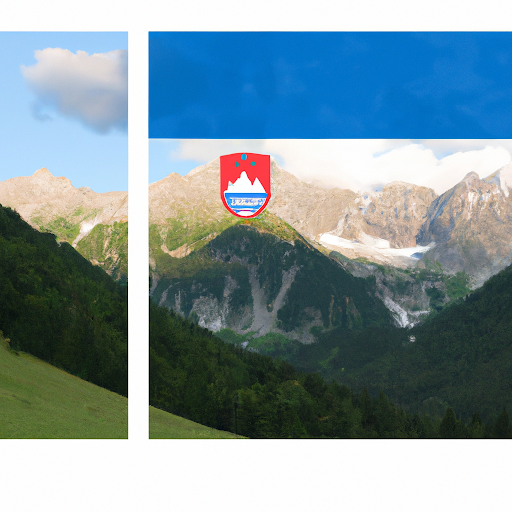
About Slovenia
Slovenia is a small country located in Central Europe, bordered by Austria, Hungary, Croatia, and Italy. It is a member of the European Union and the Schengen Area, and is known for its stunning natural beauty, vibrant culture, and rich history.
Slovenia is a land of mountains, forests, and rivers, with the Julian Alps dominating the northern part of the country. The capital city of Ljubljana is a vibrant and modern city, with a rich cultural heritage and plenty of attractions to explore. The country is also home to some of the most beautiful lakes in Europe, including Lake Bled and Lake Bohinj.
Slovenia is a great destination for outdoor enthusiasts, with plenty of opportunities for hiking, biking, skiing, and other activities. The country is also home to some of the best ski resorts in Europe, including Kranjska Gora and Vogel.
The culture of Slovenia is a mix of Slavic, Germanic, and Mediterranean influences. The country is known for its traditional folk music, which is still popular today. Slovenian cuisine is also quite diverse, with dishes such as štruklji, a type of dumpling, and potica, a type of cake.
Slovenia is a great destination for history buffs, with plenty of castles, churches, and other historical sites to explore. The country is also home to some of the oldest vineyards in Europe, with some dating back to the Roman era.
Slovenia is a great destination for anyone looking for a unique and beautiful place to visit. With its stunning natural beauty, vibrant culture, and rich history, it is a great place to explore and experience something new. Whether you’re looking for outdoor activities, cultural attractions, or historical sites, Slovenia has something for everyone.
Cost of Living and Currency in Slovenia
Slovenia’s currency is the Euro (EUR), which has been in use since 2007 when Slovenia joined the European Union. As with other Eurozone countries, Slovenia’s monetary policy is set by the European Central Bank.
The cost of living in Slovenia can vary depending on the location and lifestyle of an individual or family. Generally, Slovenia is considered to be an affordable country in terms of cost of living compared to other European countries.
The average monthly salary in Slovenia is around €1,200-€1,500, depending on the sector of employment. Housing costs are also relatively affordable, with the average monthly rent for a one-bedroom apartment in the city center ranging from €400-€600. Groceries and dining out can be relatively affordable as well, with a typical restaurant meal costing around €10-€15 and a loaf of bread costing around €1.
However, certain expenses such as healthcare, transportation, and utilities can be relatively expensive. For example, private healthcare can be costly, with the cost of a doctor’s visit ranging from €50-€100. The cost of a monthly public transportation pass can vary depending on the city, ranging from €20-€50. Additionally, the cost of utilities such as electricity and water can be relatively high, with the average monthly bill for a small apartment being around €100-€150.
Overall, Slovenia’s cost of living is considered to be relatively affordable compared to other European countries, but it can still vary depending on the individual’s lifestyle and location within the country.
Means of communication in Slovenia
There are several SIM card and WiFi router rental services available for travelers in Slovenia. Here are a few options:
- Telemach: Telemach is a popular telecommunications provider in Slovenia, offering both SIM card and WiFi router rental services for travelers. They have various packages available, including prepaid SIM cards with data plans and pocket WiFi routers with unlimited data. You can purchase these services online or in their physical stores located throughout Slovenia.
- A1 Slovenia: A1 Slovenia is another telecommunications provider that offers SIM card and WiFi router rental services for travelers. Their SIM cards come with data plans, and their WiFi routers offer unlimited data. You can purchase these services online or in their physical stores located throughout Slovenia.
- Surfroam: Surfroam is a global provider of data roaming services that offers SIM cards with data plans for travelers to Slovenia. They have various data packages available, and their SIM cards can be used in over 200 countries worldwide. You can purchase their services online and have the SIM card delivered to your home or hotel.
- My Webspot: My Webspot is a global provider of pocket WiFi rental services, offering unlimited data plans for travelers in Slovenia. You can rent their pocket WiFi routers online and have them delivered to your home or hotel before your trip.
It’s important to note that these are just a few options, and there may be other vendors offering similar services. It’s always a good idea to research and compare different options to find the best fit for your needs and budget.
Slovenia Languages and Greetings
The official language of Slovenia is Slovene (also known as Slovenian). Here are some simple greetings in Slovene, along with their pronunciations:
- Hello – Zdravo (zdrah-vo)
- Good morning – Dobro jutro (DOH-bro YOO-tro)
- Good afternoon – Dober dan (DOH-ber dahn)
- Good evening – Dober večer (DOH-ber VEH-cher)
- Goodbye – Nasvidenje (nahs-VEE-dyen-yeh)
- Please – Prosim (PRO-seem)
- Thank you – Hvala (HVAH-lah)
- Yes – Da (dah)
- No – Ne (neh)
- Excuse me – Oprostite (oh-PROS-tee-teh)
Slovene is a Slavic language and has some unique pronunciation rules. Here are some tips for pronouncing the greetings above:
- The “j” in “jutro” and “večer” is pronounced like the English “y.”
- The accent in Slovene is generally on the first syllable of the word.
- The “r” in “prosim” and “hvala” is pronounced with a rolling sound.
- The “e” in “ne” is pronounced like the “e” in “pet.”
These are just a few basic greetings in Slovene. If you’re interested in learning more, there are many resources available online or in language learning books to help you improve your skills.
Food and Cuisine in Slovenia
Slovenia’s food culture is a mix of various culinary influences, including Austrian, Italian, and Balkan cuisines. Traditional Slovenian food is typically hearty and filling, with an emphasis on locally sourced ingredients and seasonal produce.
Here are some recommended foods and drinks to try in Slovenia:
- Potica: This is a traditional Slovenian dessert made with sweet yeast dough and a variety of fillings, such as walnuts, poppy seeds, or honey.
- Štruklji: These are boiled or baked rolls made from dough and filled with various ingredients, such as cottage cheese, spinach, or meat.
- Idrijski žlikrofi: These are small dumplings filled with potatoes, onions, and bacon. They are typically served with a meat sauce or goulash.
- Kranjska klobasa: This is a type of sausage made from pork and flavored with garlic and pepper. It’s typically served with sauerkraut and mustard.
- Prekmurska gibanica: This is a layered pastry made with poppy seeds, cottage cheese, walnuts, and apples.
- Wine: Slovenia has a rich tradition of winemaking, with over 50,000 wineries across the country. Some popular varieties include Rebula, Malvazija, and Cviček.
- Beer: Slovenia also has a growing craft beer scene, with many breweries offering unique and flavorful beers. Some popular breweries include Bevog, HumanFish, and Reservoir Dogs.
- Herbal teas: Slovenia is known for its wide variety of herbal teas made from local herbs and flowers. Some popular flavors include chamomile, mint, and elderflower.
These are just a few examples of the many delicious foods and drinks that Slovenia has to offer. Whether you’re looking for sweet or savory, traditional or modern, there’s something for everyone in Slovenia’s vibrant food culture.
Slovenia climate and clothing
The weather in Slovenia varies depending on the season and the region of the country. Overall, Slovenia has a temperate continental climate with four distinct seasons.
In the summer months (June-August), temperatures in Slovenia can range from 20°C to 30°C (68°F to 86°F), with occasional heatwaves. The weather is generally sunny and pleasant during this time, with occasional thunderstorms. In the winter months (December-February), temperatures can drop below freezing, especially in the mountainous regions of the country. Snow is common in these areas, and skiing and other winter sports are popular.
Spring (March-May) and autumn (September-November) are transitional seasons, with mild temperatures and occasional rain showers.
When it comes to what to wear in Slovenia, it’s important to pack for the season and the activities you have planned. In the summer months, lightweight clothing such as shorts, t-shirts, and sundresses are appropriate, along with comfortable walking shoes or sandals. In the winter months, warm layers such as sweaters, jackets, and boots are essential, especially if you plan to spend time outdoors.
If you’re planning on hiking or exploring Slovenia’s mountains, it’s important to bring sturdy hiking boots, warm layers, and waterproof gear. Additionally, it’s a good idea to pack a hat and sunscreen in the summer months to protect yourself from the sun.
Overall, it’s important to be prepared for a range of weather conditions when traveling to Slovenia and to pack accordingly.
Security and Situation in Slovenia
Slovenia is generally a safe country with a low crime rate. However, as with any destination, travelers should take normal precautions to ensure their safety and security.
Petty crime such as pickpocketing, bag snatching, and theft from cars can occur in tourist areas, especially during peak travel seasons. To avoid being a victim of theft, it is recommended that travelers keep their valuables secured and out of sight, and be aware of their surroundings in crowded areas.
Slovenia is also located in a seismically active zone, and earthquakes are a possibility. However, the country has strong building codes and infrastructure in place to mitigate the effects of earthquakes, and visitors are unlikely to be affected by seismic activity.
In terms of political and social stability, Slovenia is a peaceful and democratic country with a stable government. The country has a low risk of terrorism, and visitors are unlikely to encounter any political or social unrest.
Overall, Slovenia is a safe and stable destination for travelers. As with any destination, travelers should remain vigilant and take normal safety precautions, but can generally feel confident in their security while visiting Slovenia.
Religion and Culture of Slovenia
Slovenia has a rich and diverse cultural heritage that reflects its geographic location at the crossroads of different civilizations. The country’s culture is shaped by its history, which has been influenced by various ethnic groups, including Celts, Romans, Slavs, and Germans.
Religion in Slovenia is predominantly Roman Catholic, with approximately 60% of the population identifying as Catholic. Other religious groups in Slovenia include Protestant Christians, Orthodox Christians, Muslims, and Jews.
Slovenia has a strong tradition of arts and literature, with notable writers and artists including France Prešeren, Ivan Cankar, and Zoran Mušič. The country is also known for its folk music, which features traditional instruments such as the accordion, zither, and fiddle.
Traditional Slovenian culture is characterized by a strong connection to nature, with many festivals and traditions celebrating the changing of the seasons and the agricultural cycle. For example, the traditional Slovenian carnival, or Kurentovanje, is a celebration of the end of winter and the beginning of spring, and features colorful costumes and masks.
Slovenia is also known for its culinary traditions, with a cuisine that is influenced by the country’s neighbors, including Austria, Italy, and Croatia. Traditional Slovenian dishes include potica, štruklji, and idrijski žlikrofi, which are hearty and filling meals often made with local ingredients.
Overall, Slovenia’s culture is diverse and rich, reflecting the country’s history and geographic location. Visitors to Slovenia can experience a wide range of cultural traditions, from art and literature to music and cuisine.
Transportation in Slovenia
Slovenia has a variety of transportation options available to travelers, including:
- Bus: Slovenia has a well-developed bus network, with many routes connecting major cities and smaller towns. The national bus company is called Avtobusna postaja Ljubljana (APL), but there are also several private bus companies operating in the country.
- Train: Slovenia has a relatively small train network, but it is still a convenient way to travel between cities. The national train company is called Slovenske železnice (Slovenian Railways), and there are also some international trains connecting Slovenia with neighboring countries.
- Car: Renting a car is a popular option for travelers who want to explore Slovenia at their own pace. Major car rental companies have offices at airports and in larger cities. It’s important to note that Slovenia drives on the right side of the road.
- Bicycle: Cycling is a popular way to explore Slovenia, especially in the countryside and along the coast. Many towns and cities have bike rental services available, and there are also several dedicated bike paths throughout the country.
- Taxi: Taxis are widely available in larger cities and towns, but they can be expensive compared to other transportation options.
- Air: Slovenia has one international airport, Ljubljana Jože Pučnik Airport, located near the capital city of Ljubljana. There are also several smaller airports throughout the country that cater to regional flights.
Overall, Slovenia’s transportation network is relatively well-developed and offers a variety of options for travelers. Whether you prefer to travel by bus, train, car, or bicycle, there are plenty of ways to explore Slovenia and get around the country.
Major cities of Slovenia
The three major cities in Slovenia are:
- Ljubljana: Ljubljana is the capital and largest city in Slovenia, with a population of approximately 300,000 people. The city is located in central Slovenia and is known for its picturesque old town, Baroque architecture, and scenic riverfront. Visitors to Ljubljana can explore the city’s many museums, galleries, and cultural landmarks, including the Ljubljana Castle, the National Museum of Slovenia, and the Modern Art Museum. Ljubljana is also home to several parks and green spaces, including Tivoli Park and the Ljubljana Botanical Garden, making it a great destination for nature lovers.
- Maribor: Maribor is the second-largest city in Slovenia, located in the northeastern part of the country. The city has a population of approximately 95,000 people and is known for its wine production, historic architecture, and cultural events. Visitors to Maribor can explore the city’s old town, which features medieval buildings and narrow streets, or visit one of the city’s museums, such as the Maribor Regional Museum or the National Liberation Museum. Maribor is also home to several natural attractions, including the Pohorje Mountains and the Drava River.
- Celje: Celje is the third-largest city in Slovenia, located in the eastern part of the country. The city has a population of approximately 37,000 people and is known for its medieval castle, cultural events, and historic landmarks. Visitors to Celje can explore the city’s old town, which features narrow streets and historic buildings, or visit the Celje Regional Museum, which showcases the city’s history and cultural heritage. Celje is also located near several natural attractions, including the Celje Caves and the Logarska Valley, making it a great destination for outdoor enthusiasts.
コメント