- About Singapore
- Cost of Living and Currency in Singapore
- Means of communication in Singapore
- Singapore Languages and Greetings
- Food and Cuisine in Singapore
- Singapore climate and clothing
- Security and Situation in Singapore
- Religion and Culture of Singapore
- Transportation in Singapore
- Major cities of Singapore
About Singapore
Singapore is a small island nation located in Southeast Asia. It is known for its vibrant culture, modern infrastructure, and diverse population. Singapore is a major financial and commercial hub in the region, and is home to some of the world’s most iconic landmarks.
Singapore is a melting pot of cultures, with a population that is made up of Chinese, Malay, Indian, and Eurasian people. This diversity is reflected in the country’s cuisine, which is a mix of Chinese, Malay, and Indian flavors. Singapore is also known for its vibrant nightlife, with a wide range of bars, clubs, and restaurants.
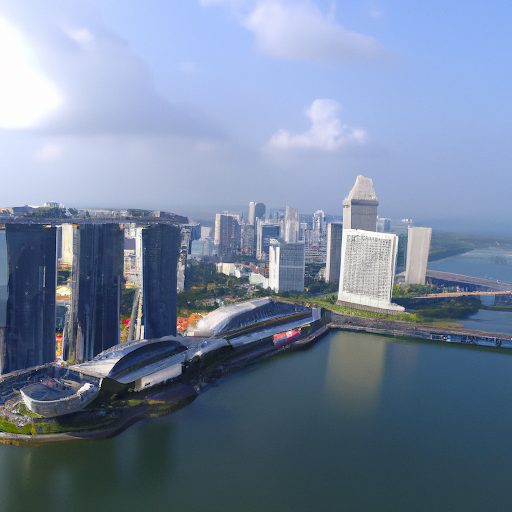
The country is home to some of the world’s most iconic landmarks, including the Marina Bay Sands, the Singapore Flyer, and the Merlion. Singapore is also home to a number of world-class museums, galleries, and other attractions.
Singapore is a major financial and commercial hub in the region, and is home to some of the world’s largest banks and corporations. The country is also a major tourist destination, with a wide range of attractions and activities to suit all tastes.
Singapore is a modern and progressive nation, with a strong focus on education and innovation. The country is home to some of the world’s best universities, and is a leader in the fields of science and technology.
Singapore is a safe and secure country, with a low crime rate and a strong commitment to the rule of law. The country is also known for its efficient public transportation system, which makes it easy to get around.
Singapore is a vibrant and exciting place to visit, with something for everyone. Whether you’re looking for a relaxing holiday or an action-packed adventure, Singapore has something to offer.
Cost of Living and Currency in Singapore
Singapore’s currency is the Singapore dollar (SGD), which is divided into 100 cents. As of March 2023, the exchange rate is approximately 1 USD to 1.36 SGD.
Singapore is known for being an expensive city to live in, with a relatively high cost of living. However, the actual cost of living in Singapore can vary depending on factors such as your lifestyle, where you choose to live, and your income.
In general, the cost of housing in Singapore can be quite high, with rents and property prices being among the highest in Asia. The cost of food and groceries can also be relatively high, although there are affordable options available at hawker centres and local markets.
Transportation costs in Singapore can be relatively low, especially if you use public transportation such as buses and trains. Taxis and ride-hailing services such as Grab can be more expensive, but are still relatively affordable compared to other developed countries.
Other expenses such as healthcare, education, and entertainment can also be relatively expensive in Singapore, although there are options available at different price points.
Overall, while Singapore can be an expensive city to live in, it also offers a high standard of living and a wide range of amenities and services.
Means of communication in Singapore
There are several SIM card and WiFi router rental services available for travelers in Singapore. Here are a few options:
- Changi Recommends – This is a popular vendor that offers SIM card and WiFi router rentals at Changi Airport, as well as online. They offer a variety of plans to suit different needs and budgets, and their services are available for both short-term and long-term use.
- Klook – Klook is an online travel platform that offers SIM card and WiFi router rentals in Singapore, as well as other travel-related services. They offer a range of plans from different providers, and their prices are often discounted compared to buying directly from the providers.
- HiSIM – HiSIM is a local provider that offers SIM card rentals for travelers in Singapore. They offer unlimited data plans, as well as plans with limited data for lower prices.
- WiFi Rental Singapore – This is a local vendor that offers WiFi router rentals for travelers in Singapore. They offer both pocket WiFi and portable WiFi router options, and their plans come with unlimited data.
There are many other SIM card and WiFi router rental services available in Singapore, so it’s worth doing some research to find the one that best suits your needs and budget.
Singapore Languages and Greetings
The official languages of Singapore are English, Malay, Mandarin, and Tamil. English is widely spoken and understood throughout the country, and it is the language of government, business, and education. Here are some simple greetings in the four official languages of Singapore:
- English:
- Hello: Hi or Hello
- Good morning: Good morning (pronounced as “goo(d) maw-nin”)
- Good afternoon: Good afternoon (pronounced as “goo(d) ah-f-tuh-nun”)
- Good evening: Good evening (pronounced as “goo(d) ee-ven-ing”)
- Thank you: Thank you (pronounced as “than(k) yoo”)
- Malay:
- Hello: Assalamualaikum (pronounced as “ah-sah-lah-moo-ah-lah-ee-kum”) or Hai (pronounced as “hi”)
- Good morning: Selamat pagi (pronounced as “suh-lah-muht pah-ghee”)
- Good afternoon: Selamat tengah hari (pronounced as “suh-lah-muht ten-gah har-ee”)
- Good evening: Selamat petang (pronounced as “suh-lah-muht peh-tang”)
- Thank you: Terima kasih (pronounced as “teh-ree-mah kah-see”)
- Mandarin:
- Hello: Ni hao (pronounced as “nee how”)
- Good morning: Zao shang hao (pronounced as “zow shahng how”)
- Good afternoon: Xia wu hao (pronounced as “shee-ah wu how”)
- Good evening: Wan shang hao (pronounced as “wahn shahng how”)
- Thank you: Xie xie (pronounced as “sheh sheh”)
- Tamil:
- Hello: Vanakkam (pronounced as “vuh-nah-kum”)
- Good morning: Kaalai vanakkam (pronounced as “kah-lai vuh-nah-kum”)
- Good afternoon: Maalai vanakkam (pronounced as “mah-lai vuh-nah-kum”)
- Good evening: Sandhya vanakkam (pronounced as “sun-dyah vuh-nah-kum”)
- Thank you: Nandri (pronounced as “nun-dree”)
Food and Cuisine in Singapore
Singapore is famous for its vibrant and diverse food culture, influenced by its multicultural population and its location at the crossroads of Southeast Asia. There is a wide range of cuisines and dishes available in Singapore, from traditional hawker fare to high-end fine dining. Here are some of the most popular and iconic foods and drinks in Singapore:
- Hainanese Chicken Rice – This is one of Singapore’s most famous dishes, featuring tender chicken served with fragrant rice cooked in chicken broth, and accompanied by chili sauce and dark soy sauce.
- Laksa – Laksa is a spicy noodle soup that is a fusion of Malay and Chinese flavors. It typically features noodles in a coconut milk-based soup, with shrimp, fish cakes, bean sprouts, and other toppings.
- Char Kway Teow – This is a popular stir-fried noodle dish made with flat rice noodles, eggs, bean sprouts, and various meats and seafood. It is often cooked over high heat to create a slightly charred and smoky flavor.
- Satay – Satay is a type of skewered meat (usually chicken, beef, or lamb) that is marinated and grilled over charcoal. It is typically served with a peanut dipping sauce and slices of cucumber and onion.
- Roti Prata – Roti Prata is a type of Indian flatbread that is crispy on the outside and chewy on the inside. It is typically served with a curry dipping sauce and is often eaten for breakfast or as a snack.
- Teh Tarik – Teh Tarik is a popular Singaporean drink made with black tea and condensed milk, which is “pulled” back and forth between two cups to create a frothy texture.
- Milo Dinosaur – Milo Dinosaur is a Singaporean twist on the classic chocolate malt drink. It is made with Milo powder, condensed milk, and topped with a generous amount of Milo powder on top.
These are just a few examples of the many delicious and unique dishes and drinks you can find in Singapore. There are countless other options to explore, from traditional hawker stalls to upscale restaurants, and everything in between.
Singapore climate and clothing
Singapore is located near the equator, which means it has a tropical climate that is hot and humid throughout the year. The average temperature in Singapore ranges from around 25°C (77°F) to 32°C (90°F), with high levels of humidity that can make it feel even warmer. Here are some tips on what to wear in Singapore:
- Light and breathable clothing – Due to the hot and humid climate, it is recommended to wear lightweight and breathable fabrics such as cotton, linen, or rayon. Loose-fitting clothes are also recommended to allow for air circulation and to keep you cool.
- Sun protection – Singapore is a sunny place, so it is important to wear sun protection to avoid getting sunburnt. Wear a hat or a cap, sunglasses, and apply sunscreen with at least SPF 30.
- Rain protection – Singapore experiences occasional rain showers throughout the year, so it is a good idea to carry a small umbrella or a rain jacket with you.
- Footwear – As Singapore is a city with a lot of walking, comfortable footwear is recommended. Sandals or flip-flops are also popular choices due to the warm climate.
- Business attire – If you are visiting Singapore for business, it is recommended to wear business attire, such as a suit or a dress, in formal settings such as meetings or events.
Overall, when visiting Singapore, it is best to dress for the hot and humid climate. Keep in mind that the weather can change quickly, so it’s always a good idea to check the forecast before heading out.
Security and Situation in Singapore
Singapore is known to be one of the safest countries in the world, with a low crime rate and strict laws and regulations. The government takes security and safety very seriously, and there is a strong presence of law enforcement agencies throughout the country. Here are some key points about the security and situation in Singapore:
- Low crime rate – Singapore has a low crime rate, with relatively low levels of violent crime and property crime.
- Strict laws and regulations – Singapore has strict laws and regulations, which are enforced rigorously. This includes laws on drugs, vandalism, littering, and other offenses.
- Safe streets – Singapore’s streets are generally safe, even at night. However, it is always a good idea to take basic safety precautions, such as being aware of your surroundings and avoiding isolated areas.
- Strict penalties – Singapore has strict penalties for those who break the law, including fines, caning, and imprisonment. This has been effective in keeping crime rates low.
- Terrorism threat – Like many countries around the world, Singapore faces a potential threat from terrorism. The government has implemented various security measures to prevent and respond to such threats.
- COVID-19 situation – As of 2023, Singapore has managed the COVID-19 pandemic well with a high vaccination rate, but the government continues to implement measures such as border restrictions and social distancing rules to manage the situation.
Overall, Singapore is considered a very safe and secure country, but it is always important to exercise basic safety precautions and be aware of your surroundings.
Religion and Culture of Singapore
Singapore is a multicultural and multireligious society, with a diverse population made up of Chinese, Malay, Indian, and other ethnic groups. The country recognizes four official languages: English, Malay, Chinese, and Tamil. Here is an overview of Singapore’s religion and culture:
- Religion – Singapore is a secular country, but there is freedom of religion, and many different religions are practiced in Singapore, including Buddhism, Islam, Hinduism, Christianity, and Taoism.
- Culture – Singapore has a diverse and vibrant culture, which is a blend of various influences from different ethnic groups. It is common to see elements of Chinese, Malay, Indian, and Western cultures in Singapore.
- Food – Singapore is known for its diverse and delicious food, which reflects the country’s multicultural heritage. Some popular dishes include chicken rice, laksa, satay, and chili crab.
- Festivals – Singapore celebrates many different festivals throughout the year, reflecting the various cultures and religions in the country. Some of the major festivals include Chinese New Year, Hari Raya Puasa (Eid al-Fitr), Deepavali (Diwali), and Christmas.
- Arts and entertainment – Singapore has a thriving arts and entertainment scene, with many museums, galleries, and theaters showcasing local and international talent. The country also hosts many festivals and events, such as the Singapore Arts Festival and the Singapore International Film Festival.
Overall, Singapore’s culture is a vibrant and dynamic mix of various ethnic and religious influences. It is a fascinating place to visit and explore.
Transportation in Singapore
Singapore has a well-developed and efficient transportation system that includes various modes of transportation, making it easy for visitors to get around the city. Here are some of the transportation options available in Singapore:
- Mass Rapid Transit (MRT) – The MRT is a subway system that serves most parts of Singapore. It is a fast, affordable, and convenient way to travel around the city.
- Bus – Buses are another affordable and efficient way to get around Singapore. They cover most parts of the city, including areas not served by the MRT.
- Taxi – Taxis are readily available in Singapore and are a convenient way to get around the city. They are metered, and fares are reasonable.
- Grab – Grab is a ride-hailing app that operates in Singapore, offering similar services to Uber or Lyft. It is a convenient way to book a ride in Singapore.
- Car rental – If you prefer to drive yourself, car rental is available in Singapore. However, it can be expensive due to high taxes on cars.
- Bicycle – Singapore has an extensive network of cycling paths, making it easy to explore the city on a bicycle. Bicycle rental is available at various locations in the city.
Overall, Singapore’s transportation system is efficient, affordable, and easy to use. Visitors can choose from a range of options depending on their budget and preferences.
Major cities of Singapore
Singapore is a small island city-state, and while it does have several distinct neighborhoods and areas, it does not have traditional “cities” in the sense of large urban centers. However, there are several areas of Singapore that are worth exploring. Here are three of them:
- Singapore City Centre – The Singapore City Centre is the heart of the city-state, home to many of its iconic landmarks and attractions, including Marina Bay Sands, the Merlion, and Gardens by the Bay. It is also a hub for business and finance, with many offices and corporate headquarters located here. The City Centre is well-connected by public transportation, including the MRT and bus network.
- Orchard Road – Orchard Road is a major shopping and entertainment district in Singapore, lined with high-end shopping malls, luxury hotels, and restaurants. It is a popular destination for both locals and tourists, offering a wide range of shopping and dining options. Orchard Road is easily accessible by public transportation, including the MRT and bus network.
- Sentosa Island – Sentosa Island is a resort island located off the southern coast of Singapore. It is a popular destination for families and tourists, offering a range of attractions, including theme parks, beaches, and resorts. Sentosa Island is accessible by cable car, bus, or monorail from the Singapore mainland.
Overall, these three areas offer a snapshot of the diverse offerings in Singapore, from its bustling city center to its shopping and entertainment districts, to its resort islands. There is something for everyone in Singapore, and exploring the city-state’s various neighborhoods and attractions is a must for visitors.

コメント