- About Solomon Islands
- Cost of Living and Currency in Solomon Islands
- Means of communication in Solomon Islands
- Solomon Islands Languages and Greetings
- Food and Cuisine in Solomon Islands
- Solomon Islands climate and clothing
- Security and Situation in Solomon Islands
- Religion and Culture of Solomon Islands
- Transportation in Solomon Islands
- Major cities of Solomon Islands
About Solomon Islands
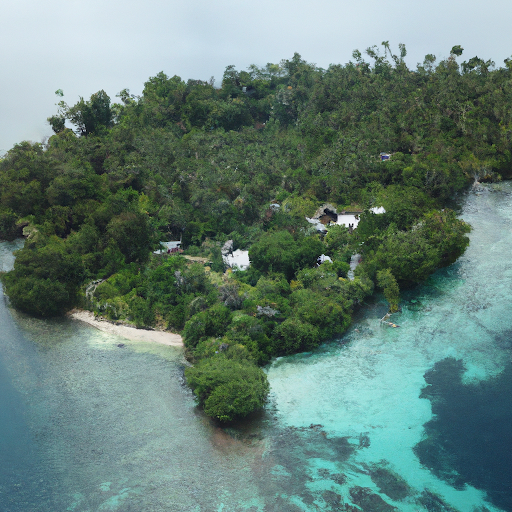
The Solomon Islands is an archipelago of over 900 islands located in the South Pacific Ocean, east of Papua New Guinea. It is a nation of diverse cultures, languages, and landscapes, and is home to some of the most beautiful and untouched beaches in the world.
The Solomon Islands is a tropical paradise, with lush rainforests, crystal clear waters, and stunning coral reefs. The islands are home to a variety of wildlife, including rare species of birds, reptiles, and mammals. The Solomon Islands is also home to some of the world’s most unique and diverse cultures, with over 70 distinct languages spoken throughout the islands.
The Solomon Islands is a popular destination for tourists, with its stunning beaches, vibrant culture, and unique wildlife. The islands are known for their beautiful white sand beaches, crystal clear waters, and stunning coral reefs. Visitors can explore the islands’ many attractions, including the World War II relics, the traditional villages, and the stunning waterfalls.
The Solomon Islands is also a great place to experience the local culture. Visitors can explore the traditional villages, learn about the local customs, and sample the local cuisine. The islands are also home to a variety of festivals and events, including the annual Festival of the Arts, which celebrates the culture and traditions of the Solomon Islands.
The Solomon Islands is a great place to relax and unwind. Visitors can enjoy the stunning beaches, explore the rainforests, and take part in a variety of activities, such as snorkeling, diving, and fishing. The islands are also home to a variety of resorts and hotels, offering a range of accommodation options for visitors.
The Solomon Islands is a great destination for those looking for a unique and unforgettable experience. With its stunning beaches, vibrant culture, and unique wildlife, the Solomon Islands is a paradise for travelers of all ages. Whether you’re looking for a relaxing beach holiday or an adventure-filled getaway, the Solomon Islands is the perfect destination.
Cost of Living and Currency in Solomon Islands
The official currency of Solomon Islands is the Solomon Islands dollar (SBD), which is divided into 100 cents. As of my knowledge cutoff in 2021, the exchange rate was approximately 1 USD to 8.2 SBD.
The cost of living in Solomon Islands can vary depending on the location and lifestyle of the individual. As a general rule, the cost of living in Solomon Islands is lower than in many developed countries. However, prices for imported goods, such as electronics and luxury items, can be relatively high due to shipping costs and import taxes.
In the capital city of Honiara, the cost of living can be relatively high compared to other areas of the country. Accommodation, food, and transportation are generally the biggest expenses for expats living in Solomon Islands. Rental prices for a two-bedroom apartment in Honiara can range from around 1,500 to 3,000 SBD per month, while a basic meal in a restaurant can cost around 30 SBD.
In rural areas, the cost of living can be lower, with some expats reporting living expenses of around 1,000 SBD per month. However, access to basic goods and services can be more limited in these areas.
Overall, Solomon Islands can offer a relatively affordable cost of living compared to many other countries, but it is important to research specific locations and expenses before making a move.
Means of communication in Solomon Islands
I do not have real-time information on the availability of SIM card and wifi router rental services in Solomon Islands. However, I can provide some general information based on my knowledge cutoff in 2021.
In Solomon Islands, the two main mobile network operators are Our Telekom and Bmobile-Vodafone. Both companies offer prepaid SIM cards that can be purchased at their respective retail outlets or at Honiara International Airport upon arrival. It’s advisable to check with the mobile network operator for specific pricing and availability of data plans.
In terms of wifi router rental services, there may be some local vendors that offer this service to tourists and travelers. However, availability and pricing can vary depending on location and demand. It is best to research and compare prices and services from different vendors before making a decision.
It is worth noting that wifi and mobile data coverage in Solomon Islands can be limited in some areas outside of the major towns and cities. Therefore, it is important to plan accordingly and have backup options for internet connectivity while traveling in the country.
Solomon Islands Languages and Greetings
The official language of Solomon Islands is English, which is widely spoken and understood, especially in urban areas. However, there are also numerous indigenous languages spoken throughout the country, with Pijin being one of the most widely spoken and understood pidgin languages.
Here are some simple greetings in Pijin:
- “Hello” is “Halo” (pronounced hah-loh).
- “How are you?” is “Yu stap gut?” (pronounced yoo stap goot).
- “I’m fine” is “Mi stap iu” (pronounced mee stap yoo).
- “Thank you” is “Tangkyu” (pronounced tang-kyoo).
- “Goodbye” is “Gudbai” (pronounced good-bye).
It’s worth noting that pronunciation can vary depending on the speaker’s accent and dialect, so these pronunciations are a general guide only.
If you would like to learn more Pijin phrases or practice your pronunciation, there are numerous language resources available online or in print.
Food and Cuisine in Solomon Islands
Solomon Islands has a rich food culture, with a cuisine that is influenced by its geography and history. The country is situated in the South Pacific, surrounded by the ocean, and its cuisine features a variety of seafood, as well as tropical fruits and vegetables.
Here are some recommended foods and drinks in Solomon Islands:
- Fish and seafood: Solomon Islands is known for its fresh and delicious fish and seafood, which includes tuna, snapper, barracuda, lobster, and crab. These are often cooked in coconut milk and served with rice or root vegetables.
- Kokoda: Kokoda is a traditional dish made with raw fish that is marinated in lime juice and coconut cream. It is often served as an appetizer or snack and is a refreshing and flavorful dish.
- Laplap: Laplap is a dish made from grated taro or yam that is mixed with coconut milk and wrapped in banana leaves. It is then baked in an earth oven and served with fish or meat.
- Poi: Poi is a starchy dish made from taro or cassava that is boiled and then mashed into a paste. It is often served as a side dish with fish or meat.
- Local fruits: Solomon Islands is home to a variety of tropical fruits, including papaya, mango, pineapple, and coconut. These fruits are often used in desserts or enjoyed as a snack.
In terms of drinks, coconut water and fresh fruit juices are popular choices in Solomon Islands. Kava, a traditional drink made from the roots of a pepper plant, is also popular and is often consumed during social gatherings and ceremonies.
Solomon Islands also has a variety of imported foods and beverages available, including Western-style fast food and soft drinks.
Solomon Islands climate and clothing
Solomon Islands has a tropical climate, with warm temperatures throughout the year and high humidity. The country experiences two distinct seasons: a wet season from November to April, and a dry season from May to October.
During the wet season, the weather can be hot and humid, with frequent rain and thunderstorms. Temperatures typically range from around 24°C to 32°C (75°F to 90°F), with high humidity making it feel warmer. In the dry season, temperatures are slightly cooler, with temperatures ranging from around 22°C to 30°C (72°F to 86°F). However, humidity levels can still be high.
When it comes to what to wear in Solomon Islands, light and breathable clothing is recommended due to the warm and humid climate. Cotton or other natural fibers are good choices, as they can help to keep you cool and comfortable. It’s also advisable to pack rain gear if you are traveling during the wet season.
In urban areas, dress tends to be quite casual, with shorts, t-shirts, and sandals being common attire. However, it’s important to dress modestly when visiting local villages or attending cultural events. Women should avoid wearing revealing clothing, and it’s best to cover the shoulders and knees.
If you plan on hiking or spending time outdoors, lightweight and sturdy footwear is recommended. Mosquito repellent is also a must, as mosquitoes can be prevalent in some areas.
Security and Situation in Solomon Islands
Solomon Islands is generally a safe country to travel to and live in. However, like any country, there are some risks to be aware of.
Crime rates in Solomon Islands are generally low, but petty theft and opportunistic crime can occur, especially in urban areas. It’s advisable to take common-sense precautions, such as not leaving valuables unattended, keeping cash and important documents in a secure place, and being aware of your surroundings, especially at night.
Protests and demonstrations can occur in Solomon Islands, and these can sometimes turn violent. It’s advisable to avoid large gatherings and political rallies, and to stay informed about local events and news.
Travelers should also be aware of the risks associated with natural disasters, such as earthquakes, tropical storms, and tsunamis. Solomon Islands is situated on the Pacific Ring of Fire and is prone to earthquakes and volcanic activity. It’s advisable to familiarize yourself with emergency procedures and evacuation routes in the event of a natural disaster.
It’s always a good idea to check the latest travel advice and warnings before traveling to Solomon Islands. You can consult your own country’s embassy or consulate for the latest information, or check with reputable travel websites and forums.
Religion and Culture of Solomon Islands
Solomon Islands is a country with a diverse range of cultures and religions. The official religion of the country is Christianity, with the majority of the population being affiliated with the Anglican, Roman Catholic, or United Church denominations. However, many traditional beliefs and practices continue to coexist with Christianity, and these often vary between different islands and communities.
Solomon Islands has a rich cultural heritage that is reflected in its music, dance, art, and traditional crafts. The country is home to many different ethnic groups, each with their own distinct cultural traditions and practices. These include the Melanesian people, who are the indigenous inhabitants of the islands, as well as Polynesians and Micronesians who have migrated to the country over the centuries.
Traditional music and dance are an important part of Solomon Islands’ culture, and are often performed during social events and ceremonies. The country is also known for its traditional crafts, including wood carving, weaving, and pottery.
The country has a strong emphasis on community and family, with extended family networks playing an important role in social and economic life. Respect for elders is an important cultural value, and hospitality and generosity are highly valued traits.
In terms of cuisine, Solomon Islands’ food culture is heavily influenced by its geography and history. The country’s cuisine features a variety of seafood, as well as tropical fruits and vegetables. Traditional dishes include Kokoda (a raw fish dish marinated in lime juice and coconut cream), Laplap (a dish made from grated taro or yam that is mixed with coconut milk and wrapped in banana leaves), and Poi (a starchy dish made from taro or cassava that is boiled and mashed into a paste).
Transportation in Solomon Islands
Solomon Islands has limited transportation infrastructure, with most of the country’s islands accessible only by boat or plane. Here are some of the transportation options available in Solomon Islands:
- Air: Solomon Airlines is the national carrier and operates regular domestic flights to the country’s major towns and cities. There are also several smaller airlines that operate domestic flights, including FlySolomons and Air Kiribati.
- Boat: Boats are a common mode of transportation in Solomon Islands, especially between the different islands. There are several ferry services that operate between the major islands, and many smaller boats can be hired for private charters.
- Taxis: Taxis are available in the major towns and cities, and are often the most convenient way to get around. However, it’s important to negotiate the fare before getting into the taxi, as meters are not always used.
- Buses: Buses are available in some of the major towns and cities, but are not a common mode of transportation. They are often crowded and uncomfortable, and schedules can be unpredictable.
- Car rental: Car rental is available in the major towns and cities, and is a good option for those who want to explore the country at their own pace. However, roads can be rough and poorly maintained, especially outside of urban areas.
It’s important to note that transportation infrastructure in Solomon Islands can be limited and unpredictable, especially in more remote areas. It’s advisable to plan ahead and make arrangements in advance, especially for longer journeys or when traveling to more remote areas.
Major cities of Solomon Islands
Here are the names and brief overviews of three major cities in Solomon Islands:
- Honiara: Honiara is the capital city of Solomon Islands and the largest city in the country. It is located on the north coast of the island of Guadalcanal, and has a population of around 85,000 people. Honiara is the commercial, administrative, and cultural center of the country, and is home to a number of government buildings, businesses, and cultural institutions. The city is also a popular tourist destination, with attractions such as the Central Market, the National Museum, and the World War II memorial at Bloody Ridge.
- Auki: Auki is the capital of Malaita Province, located on the island of Malaita in the eastern part of Solomon Islands. It has a population of around 8,000 people and is the second-largest city in the country. Auki is known for its markets, where visitors can find a variety of local handicrafts and traditional items. The city is also a good base for exploring the nearby islands, which are known for their pristine beaches and coral reefs.
- Gizo: Gizo is the capital of Western Province, located on the island of Ghizo in the western part of Solomon Islands. It has a population of around 6,000 people and is the third-largest city in the country. Gizo is known for its beautiful beaches and clear waters, and is a popular destination for snorkeling and diving. The city is also home to a number of historical sites, including the World War II Japanese bunkers at Kennedy Island and the Solomon Islands National Museum.
コメント