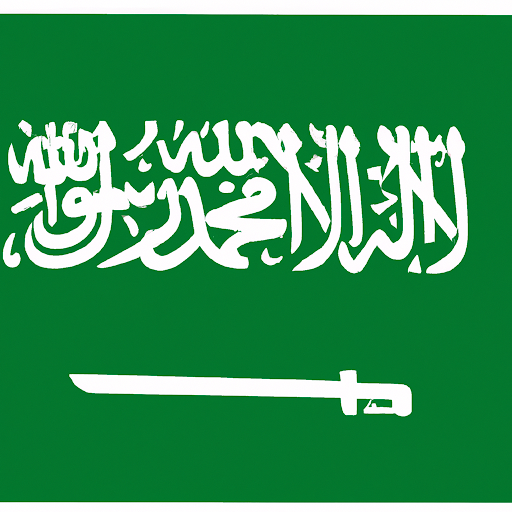
- About Saudi Arabia
- Cost of Living and Currency in Saudi Arabia
- Means of communication in Saudi Arabia
- Saudi Arabia Languages and Greetings
- Food and Cuisine in Saudi Arabia
- Saudi Arabia climate and clothing
- Security and Situation in Saudi Arabia
- Religion and Culture of Saudi Arabia
- Transportation in Saudi Arabia
- Major cities of Saudi Arabia
About Saudi Arabia
Saudi Arabia is a country located in the Middle East, bordered by Jordan, Iraq, Kuwait, Qatar, Bahrain, the United Arab Emirates, Oman, and Yemen. It is the largest country in the region, covering an area of over 2 million square kilometers. Saudi Arabia is a monarchy, ruled by the House of Saud, and is the birthplace of Islam.
The country is home to a population of over 33 million people, with the majority of the population being Arab. The official language is Arabic, and the currency is the Saudi Riyal. The capital city is Riyadh, and the country is divided into 13 provinces.
The economy of Saudi Arabia is largely based on oil, with the country being the world’s largest exporter of petroleum. It is also a major producer of natural gas, and is the world’s largest exporter of petroleum products. The country is also a major producer of petrochemicals, and is the world’s largest exporter of aluminum.
The culture of Saudi Arabia is heavily influenced by Islam, and the country is home to some of the holiest sites in the religion. The two holiest cities in Islam, Mecca and Medina, are located in Saudi Arabia. The country is also home to a number of important archaeological sites, including the ancient city of Madain Saleh.
The government of Saudi Arabia is an absolute monarchy, and the country is ruled by the House of Saud. The country is governed by a strict interpretation of Islamic law, and the government has been criticized for its human rights record.
The education system in Saudi Arabia is based on the Islamic curriculum, and is compulsory for all children between the ages of 6 and 15. Higher education is provided by a number of universities, including King Saud University, King Abdulaziz University, and the Islamic University of Medina.
The country is home to a number of tourist attractions, including the ancient city of Madain Saleh, the Red Sea coast, and the ancient city of Petra. The country is also home to a number of national parks, including the Asir National Park and the Al-Hasa Oasis.
Saudi Arabia is a fascinating country, with a rich history and culture. It is a country that is rapidly changing, and is an important player in the Middle East.
Cost of Living and Currency in Saudi Arabia
Saudi Arabia’s currency is the Saudi riyal (SAR), which is abbreviated as ر.س or SR. The riyal is divided into 100 halalas, with coins in denominations of 5, 10, 25, 50, and 100 halalas, and banknotes in denominations of 1, 5, 10, 20, 50, 100, 200, and 500 riyals.
In terms of cost of living, Saudi Arabia is generally considered to be an affordable country compared to other countries in the Middle East, Europe, and North America. However, prices can vary depending on the region and the type of goods and services being purchased.
Housing is one of the largest expenses in Saudi Arabia, with rents being particularly high in major cities such as Riyadh, Jeddah, and Dammam. However, prices for other items such as food, clothing, and transportation tend to be relatively low. For example, groceries can be purchased at reasonable prices at supermarkets, and there are many inexpensive local eateries that serve traditional Middle Eastern cuisine.
In terms of salaries, Saudi Arabia has a minimum wage of 4,000 riyals per month, which is equivalent to around $1,067 USD as of the time of writing. However, many expatriate workers earn higher salaries depending on their profession and experience.
Overall, while Saudi Arabia may have some high costs associated with housing, it is generally considered to be an affordable place to live, particularly for expatriate workers who are able to earn higher salaries.
Means of communication in Saudi Arabia
There are several SIM card and Wi-Fi router rental services available for travelers in Saudi Arabia, including:
- STC (Saudi Telecom Company): STC offers prepaid SIM cards for tourists and visitors to Saudi Arabia, which can be purchased at their kiosks at the airport or at STC branches across the country. They also offer Wi-Fi routers for rent at the airport and other locations.
- Mobily: Mobily is another major telecom company in Saudi Arabia that offers prepaid SIM cards for tourists and visitors. Their SIM cards can be purchased at the airport and at their branches, and they also offer Wi-Fi routers for rent.
- Zain: Zain is a third telecom company in Saudi Arabia that offers prepaid SIM cards for tourists and visitors. Their SIM cards can be purchased at the airport and at their branches, and they also offer Wi-Fi routers for rent.
- My-SIM: My-SIM is a company that specializes in providing SIM card and Wi-Fi router rental services for travelers in Saudi Arabia. They offer various packages for both short-term and long-term visitors, and their products can be delivered to hotels and other locations.
- Flytpack: Flytpack is a global Wi-Fi hotspot rental service that also offers their services in Saudi Arabia. Their pocket Wi-Fi devices can be delivered to airports, hotels, and other locations in Saudi Arabia.
Please note that this information is current as of my knowledge cutoff date of 2021, so it is possible that some vendors may have changed their services or availability since then.
Saudi Arabia Languages and Greetings
The official language of Saudi Arabia is Arabic. Here are some simple greetings in Arabic along with their pronunciation:
- Hello – “Marhaba” (mar-ha-ba)
- Good morning – “Sabah el-khair” (sah-bah el-khair)
- Good evening – “Masa el-khair” (ma-sah el-khair)
- Welcome – “Ahlan wa sahlan” (ah-lan wa sah-lan)
- How are you? – “Kaif haluk?” (kayf ha-luk)
- Fine, thank you – “Zayn, shukran” (zayn, shoo-kran)
- What is your name? – “Ma ismak?” (ma is-mak)
- My name is… – “Ismi…” (is-mee)
- Goodbye – “Ma’a salaama” (ma-a sala-ma)
Please note that Arabic is a complex language with many variations in pronunciation and dialect, so these are just basic guidelines for pronunciation. Additionally, Saudi Arabia has its own unique dialect of Arabic that may differ from standard Arabic in some ways.
Food and Cuisine in Saudi Arabia
Saudi Arabia has a rich food culture that has evolved over centuries, influenced by the country’s diverse geography, trade routes, and Islamic traditions. The cuisine of Saudi Arabia is characterized by its emphasis on meat, spices, and aromatic herbs.
One of the most popular dishes in Saudi Arabia is Kabsa, a fragrant rice dish served with a choice of meat, such as chicken, lamb, or beef, and flavored with a range of spices, including saffron, cardamom, and cinnamon. Other traditional dishes include Mandi, a slow-cooked meat dish served with rice, and Shawarma, a Middle Eastern sandwich made with roasted meat.
Saudi Arabia also has a range of sweets and desserts, such as Baklava, a pastry made with layers of phyllo dough and filled with nuts and honey syrup, and Qatayef, a stuffed pancake served during Ramadan.
In terms of drinks, Arabic coffee, also known as Qahwa, is a popular beverage in Saudi Arabia. It is made from roasted coffee beans and flavored with spices, such as cardamom and saffron. Another popular drink is Jallab, a sweet and refreshing drink made from dates, grape molasses, and rose water.
Some other recommended foods to try in Saudi Arabia include:
- Mutabbaq, a stuffed pancake filled with vegetables or meat.
- Harees, a porridge made from wheat and meat, typically served during Ramadan.
- Ma’amoul, a pastry filled with dates or nuts.
- Laban, a drink made from yogurt and flavored with mint or cucumber.
Overall, Saudi Arabia’s food culture is a vibrant and diverse reflection of its history, geography, and Islamic traditions, and there are many delicious dishes and drinks to try when visiting the country.
Saudi Arabia climate and clothing
Saudi Arabia’s climate is generally hot and dry, with temperatures that can reach well above 100°F (38°C) in the summer months. The country experiences very little rainfall, with most of it occurring during the winter months.
When it comes to what to wear in Saudi Arabia, it’s important to dress modestly and respectfully, in keeping with the country’s cultural and religious norms. For men, it’s common to wear traditional Saudi clothing, such as a Thobe, which is a long white robe, or a Bisht, which is a cloak worn over the Thobe. Women are required to cover their hair and wear an abaya, a loose-fitting black robe that covers the entire body except for the hands and feet.
It’s also important to dress for the weather in Saudi Arabia, especially during the summer months. Lightweight, loose-fitting clothing made from breathable materials, such as cotton or linen, is recommended to stay cool in the heat. It’s also important to protect yourself from the sun by wearing a hat, sunglasses, and sunscreen.
In general, it’s important to be respectful of Saudi Arabia’s cultural and religious norms when it comes to dress, and to dress appropriately for the weather conditions.
Security and Situation in Saudi Arabia
Saudi Arabia is generally considered a safe country to visit, with low levels of violent crime and a strong security presence. The government takes security very seriously and has implemented strict measures to prevent terrorism and other forms of criminal activity.
However, visitors to Saudi Arabia are advised to be aware of the country’s strict laws and cultural norms. The country follows a strict interpretation of Islamic law, and there are severe penalties for breaking the law or engaging in behavior that is deemed immoral or disrespectful. For example, alcohol is prohibited, and there are restrictions on the types of clothing that can be worn in public.
In addition, travelers should be aware of the ongoing conflict in neighboring Yemen, which has led to occasional missile attacks on Saudi Arabia’s southern border regions. The Saudi government has taken steps to improve border security and has implemented measures to protect civilians in the affected areas.
Overall, while Saudi Arabia has a strong security presence and low levels of crime, it’s important for visitors to respect the country’s laws and cultural norms and to stay informed about any potential security risks.
Religion and Culture of Saudi Arabia
Saudi Arabia’s official religion is Islam, and the country is home to the two holiest sites in Islam, Mecca and Medina. The majority of the population are Sunni Muslims, while a small minority are Shia Muslims.
Islam has a significant impact on Saudi Arabia’s culture and way of life, with Islamic practices and traditions playing a central role in daily life. For example, the call to prayer is heard five times a day, and Ramadan, the month of fasting, is widely observed throughout the country.
In addition to religion, Saudi Arabia has a rich cultural heritage that has been influenced by its geography, history, and trade routes. Traditional arts and crafts, such as calligraphy, weaving, and pottery, are highly valued, and the country has a rich tradition of storytelling and poetry.
Saudi Arabia’s culture is also heavily influenced by its tribal heritage, with strong family and social ties and a deep respect for elders and authority figures. Hospitality is also an important aspect of Saudi Arabian culture, with guests often treated with great warmth and generosity.
Overall, religion and culture play a significant role in Saudi Arabia’s society and way of life, with Islamic traditions and practices and a strong sense of family and community values shaping the country’s culture and customs.
Transportation in Saudi Arabia
Saudi Arabia has a modern transportation system that includes a range of options for travelers, including:
- Public transportation: Many cities in Saudi Arabia have public buses, which are an affordable way to travel around. Some cities, such as Riyadh and Jeddah, also have metro systems, which are modern and efficient.
- Taxis: Taxis are readily available throughout Saudi Arabia, and they are a convenient way to get around, especially in areas without public transportation.
- Ride-hailing services: Popular ride-hailing services like Uber and Careem are available in Saudi Arabia, offering a convenient and safe option for getting around.
- Rental cars: Rental cars are readily available in Saudi Arabia, and they offer a great way to explore the country at your own pace. However, it’s important to note that women are not allowed to drive in Saudi Arabia, and there are strict rules about who is allowed to rent and drive a car.
- Trains: The Saudi Railway Organization operates a network of trains that connect cities across the country, including high-speed trains between major cities.
- Air travel: Saudi Arabia has a modern aviation system, with several domestic and international airports located throughout the country.
Overall, there are several transportation options available in Saudi Arabia, from public transportation to ride-hailing services and rental cars, making it easy to get around and explore the country.
Major cities of Saudi Arabia
here are three major cities in Saudi Arabia and an overview of each:
- Riyadh: Located in the center of Saudi Arabia, Riyadh is the country’s capital and largest city, with a population of over 7 million people. It’s a modern city with towering skyscrapers, shopping malls, and luxury hotels. Riyadh is also a hub of business and commerce, with many international companies based there. In addition, the city is home to several museums, including the National Museum of Saudi Arabia and the King Abdulaziz Historical Center.
- Jeddah: Located on the Red Sea coast, Jeddah is Saudi Arabia’s second-largest city and a major commercial hub. It’s known for its vibrant culture, cosmopolitan vibe, and beautiful beaches. Jeddah is also home to several historical landmarks, including the Old City, which features traditional architecture and narrow alleys. The city is also a popular gateway to the holy cities of Mecca and Medina.
- Dammam: Located in the Eastern Province of Saudi Arabia, Dammam is a major oil-producing city and a hub of industry and commerce. It’s also home to several universities and cultural institutions, including the King Abdulaziz Center for World Culture. The city is known for its modern infrastructure and high standard of living, with many international companies and expatriates based there.
Each of these cities offers a unique perspective on Saudi Arabia’s culture, history, and modernity, making them popular destinations for both business and leisure travelers.

コメント