- About Republic of Serbia
- Cost of Living and Currency in Republic of Serbia
- Means of communication in Republic of Serbia
- Republic of Serbia Languages and Greetings
- Food and Cuisine in Republic of Serbia
- Republic of Serbia climate and clothing
- Security and Situation in Republic of Serbia
- Religion and Culture of Republic of Serbia
- Transportation in Republic of Serbia
- Major cities of Republic of Serbia
About Republic of Serbia
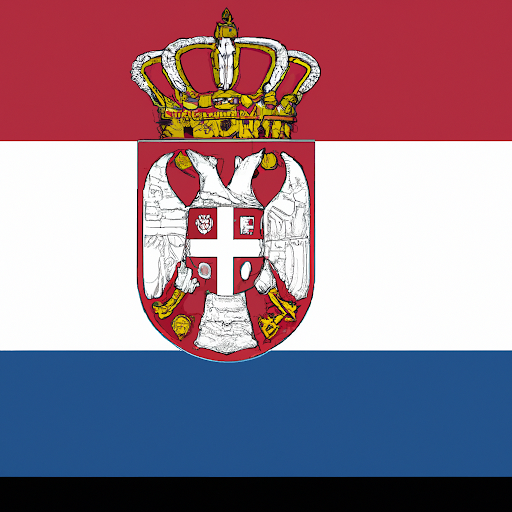
The Republic of Serbia is a country located in the Balkans region of Europe. It is bordered by Hungary to the north, Romania to the northeast, Bulgaria to the southeast, North Macedonia to the south, Croatia and Bosnia and Herzegovina to the west, and Montenegro to the southwest. Serbia is a landlocked country with a population of approximately 7 million people.
Serbia is a parliamentary republic with a unicameral legislature. The country is divided into 29 administrative districts, each with its own local government. The capital of Serbia is Belgrade, which is also the largest city in the country.
Serbia has a rich history and culture, with influences from the Roman, Byzantine, and Ottoman Empires. The country is home to many cultural and historical sites, including the Belgrade Fortress, the Church of Saint Sava, and the Petrovaradin Fortress.
The economy of Serbia is largely based on services, industry, and agriculture. The country is a major producer of agricultural products, including wheat, corn, sugar beets, and sunflower seeds. Serbia is also a major producer of industrial goods, such as steel, chemicals, and textiles.
Serbia is a member of the United Nations, the Council of Europe, and the Organization for Security and Co-operation in Europe. The country is also a member of the Central European Free Trade Agreement and the World Trade Organization.
Serbia is a beautiful country with a lot to offer. From its rich history and culture to its vibrant economy, Serbia is a great place to visit and explore. Whether you’re looking for a relaxing vacation or an exciting adventure, Serbia has something for everyone.
Cost of Living and Currency in Republic of Serbia
The official currency of the Republic of Serbia is the Serbian dinar (RSD). As of my knowledge cutoff date of September 2021, the exchange rate was approximately 1 USD = 104 RSD, although this rate can fluctuate over time.
In terms of the cost of living, Serbia is generally considered to be an affordable country compared to many other European nations. However, the cost of living can vary depending on factors such as location, lifestyle, and personal preferences.
Some common expenses in Serbia include:
- Accommodation: Depending on the location and type of housing, rent can range from around 20,000 RSD (about 190 USD) per month for a small apartment outside the city center to 80,000 RSD (about 765 USD) per month for a larger apartment or house in a more desirable area.
- Food: The cost of food can vary depending on whether you eat out or cook at home. A basic meal at an inexpensive restaurant can cost around 600 RSD (about 5.75 USD), while a three-course meal for two at a mid-range restaurant can cost around 3,000 RSD (about 29 USD). Groceries are generally affordable, with prices for basic items such as bread, milk, and eggs ranging from 50-150 RSD (about 0.50-1.50 USD) per item.
- Transportation: Public transportation is relatively cheap in Serbia, with a single ticket costing around 90 RSD (about 0.86 USD) in Belgrade, the capital city. Taxis are also available and are generally affordable, although prices can vary depending on the distance and time of day.
- Entertainment: The cost of entertainment can vary depending on your interests. A movie ticket, for example, can cost around 400-600 RSD (about 3.80-5.75 USD), while a gym membership can cost around 4,000 RSD (about 38 USD) per month.
Overall, the cost of living in Serbia can be considered relatively affordable, although as mentioned, prices can vary depending on location and lifestyle choices.
Means of communication in Republic of Serbia
There are several options for travelers who need SIM cards and wifi routers in Serbia. Here are a few options:
- Telenor Serbia: Telenor is a major mobile network operator in Serbia and offers prepaid SIM cards for travelers. These SIM cards can be purchased at Telenor stores and kiosks throughout the country. Telenor also offers portable wifi routers for rent, which can be reserved online in advance or rented at Telenor stores.
- Vip mobile: Vip mobile is another major mobile network operator in Serbia that offers prepaid SIM cards for travelers. These SIM cards can be purchased at Vip mobile stores and kiosks throughout the country. Vip mobile also offers portable wifi routers for rent, which can be reserved online in advance or rented at Vip mobile stores.
- MT:S (Mobilna Telefonija Srbije): MT:S is a mobile network operator in Serbia that also offers prepaid SIM cards for travelers. These SIM cards can be purchased at MT:S stores and kiosks throughout the country. MT:S also offers portable wifi routers for rent, which can be reserved online in advance or rented at MT:S stores.
- WiFly: WiFly is a company that specializes in providing portable wifi routers for travelers in Serbia. These routers can be rented online in advance and picked up at the company’s office in Belgrade, or they can be delivered to your hotel or apartment for an additional fee.
- Rent a Router Serbia: Rent a Router Serbia is another company that offers portable wifi routers for travelers in Serbia. These routers can be rented online in advance and picked up at the company’s office in Belgrade, or they can be delivered to your hotel or apartment for an additional fee.
Please note that availability and pricing of these services may have changed since my knowledge cutoff date of September 2021, so it’s always a good idea to check with the vendor directly for the most up-to-date information.
Republic of Serbia Languages and Greetings
The official language of the Republic of Serbia is Serbian. Here are some simple greetings in Serbian and their pronunciations:
- Hello – Zdravo (ZDRAH-voh)
- Good morning – Dobro jutro (DOH-broh YOO-troh)
- Good day – Dobar dan (DOH-bahr dahn)
- Good evening – Dobra večer (DOH-brah VEH-cher)
- Goodbye – Doviđenja (doh-VEE-jen-yah)
- Please – Molim (MOH-leem)
- Thank you – Hvala (HVAA-lah)
- Yes – Da (dah)
- No – Ne (neh)
Note that Serbian uses the Cyrillic alphabet, but Latin script is also widely used, especially in informal contexts. The pronunciation guide above uses Latin script.
I hope that helps! Let me know if you have any other questions.
Food and Cuisine in Republic of Serbia
Serbian cuisine is a blend of Balkan, Mediterranean, and Central European influences, with a focus on hearty, meat-based dishes and flavorful spices. Here are some recommended foods and drinks to try when visiting Serbia:
- Ćevapi: These are small grilled sausages made from minced meat, usually served with onion, ajvar (a roasted red pepper spread), and pita bread.
- Pljeskavica: This is a type of Serbian burger made from a mixture of beef and pork, usually served with onion, kajmak (a type of cream cheese), and ajvar.
- Sarma: This is a dish made from pickled cabbage leaves stuffed with a mixture of minced meat, rice, and spices.
- Kajmak: This is a type of creamy cheese spread that is often served with bread or meat dishes.
- Burek: This is a type of savory pastry filled with cheese, meat, or vegetables.
- Rakija: This is a traditional Serbian brandy made from distilled fruit, such as plums, grapes, or apricots.
- Belgrade coffee: This is a strong, thick Turkish-style coffee that is a popular drink in Serbia.
- Jelen beer: This is a popular Serbian beer brand that is known for its refreshing taste and crisp flavor.
- Ajvar: This is a roasted red pepper spread that is often served as a side dish or used as a condiment for meats and sandwiches.
- Gibanica: This is a type of savory cheese and egg pie that is often served as a breakfast or snack food.
These are just a few examples of the many delicious foods and drinks that you can try in Serbia. The country has a rich culinary tradition and a wide variety of regional specialties, so be sure to explore and try as much as you can while you’re there!
Republic of Serbia climate and clothing
The climate of Serbia varies depending on the region, but it is generally characterized by cold winters and warm summers. Here is an overview of the weather in Serbia and what to wear:
- Spring (March – May): Spring can be unpredictable, with variable temperatures and occasional rain showers. It’s a good idea to bring layers, including a light jacket, sweater, and long-sleeved shirts. You may also want to pack an umbrella or rain jacket.
- Summer (June – August): Summers in Serbia are generally warm and sunny, with temperatures often reaching into the 30s Celsius (90s Fahrenheit). Lightweight clothing, such as shorts, t-shirts, and sundresses, is appropriate for the daytime. However, it’s a good idea to bring a light sweater or jacket for cooler evenings or air-conditioned indoor spaces.
- Fall (September – November): Fall in Serbia is generally mild and pleasant, with cooler temperatures and occasional rain showers. Light jackets, sweaters, and long-sleeved shirts are good options for the daytime, and a heavier jacket or coat may be necessary for cooler evenings.
- Winter (December – February): Winters in Serbia are cold, with temperatures often dropping below freezing. Warm clothing, such as coats, hats, gloves, and scarves, are essential, as well as waterproof boots or shoes for snow and slush.
It’s also important to note that Serbia can be quite windy, especially in the winter months, so it’s a good idea to bring clothing that can be layered for warmth and protection from the wind.
Overall, the key to dressing for the weather in Serbia is to bring layers and be prepared for variable conditions.
Security and Situation in Republic of Serbia
Serbia is generally a safe country to visit, with a low crime rate and a stable political situation. However, as with any country, travelers should be aware of their surroundings and take basic safety precautions to avoid becoming a victim of crime.
Here are a few things to keep in mind when it comes to safety and security in Serbia:
- Petty crime: Petty crime, such as pickpocketing and theft, can occur in crowded areas and tourist hotspots. It’s a good idea to keep your valuables secure and be aware of your surroundings, especially in busy areas like markets, train stations, and public transportation.
- Scams: As with any tourist destination, there may be individuals or groups attempting to scam travelers out of money or belongings. Be wary of people offering unsolicited assistance, and avoid exchanging money with unofficial currency dealers.
- Political demonstrations: Serbia has a history of political demonstrations and protests, especially in the capital city of Belgrade. While most demonstrations are peaceful, travelers should avoid large crowds and political rallies to stay safe.
- Landmines: In some rural areas of Serbia, landmines left over from the conflicts in the 1990s may still be present. Travelers should stick to well-marked trails and avoid areas that are known to be dangerous.
Overall, Serbia is a safe and welcoming country for travelers. By taking basic safety precautions and being aware of your surroundings, you can have a safe and enjoyable trip to Serbia.
Religion and Culture of Republic of Serbia
Serbia is a multiethnic and multireligious country, with a diverse cultural heritage that reflects its position at the crossroads of Eastern and Western Europe. Here is an overview of the religion and culture of Serbia:
Religion:
- The majority of Serbians identify as Orthodox Christians, which is the dominant religion in the country. There are also significant Muslim, Catholic, and Protestant communities, as well as Jewish and other religious minorities.
Culture:
- Serbian culture is known for its hospitality, warmth, and strong family values. Traditional customs and festivals are an important part of Serbian culture, including Slava (a family patron saint day), weddings, and folklore dances.
- The arts are also an important part of Serbian culture, with a long tradition of music, dance, and visual arts. Serbian folk music, known as narodna muzika, is characterized by its melancholic melodies and soulful lyrics.
- Cuisine is another important aspect of Serbian culture, with a focus on hearty meat dishes, cheese, bread, and wine. Serbian cuisine is influenced by the country’s Ottoman, Mediterranean, and Central European heritage.
- Sport is also an important part of Serbian culture, with a strong tradition of basketball, football, tennis, and water sports.
Serbia has a rich and diverse cultural heritage, shaped by its position at the crossroads of different cultures and traditions. Whether you’re interested in history, art, music, or food, there is something for everyone to explore and enjoy in Serbia.
Transportation in Republic of Serbia
There are several modes of transportation available for getting around in Serbia, including:
- Bus: Buses are a popular and affordable mode of transportation in Serbia, with extensive networks connecting cities, towns, and rural areas. Bus services are usually frequent, reliable, and comfortable, with air-conditioning and onboard toilets.
- Train: Serbia has an extensive rail network, connecting major cities and towns throughout the country, as well as international destinations in neighboring countries. Trains in Serbia are generally slower than buses, but they are often more comfortable and offer scenic views of the countryside.
- Taxi: Taxis are widely available in Serbia, especially in larger cities like Belgrade, Novi Sad, and Niš. Taxis can be hailed on the street or booked in advance, and fares are generally reasonable.
- Car rental: Car rental is also a popular option for getting around Serbia, especially if you want to explore rural areas or travel independently. Most major car rental companies have offices in Serbia, and rental rates are generally reasonable.
- Bicycle: Cycling is becoming an increasingly popular mode of transportation in Serbia, especially in urban areas like Belgrade and Novi Sad. Many cities have bike-sharing schemes, and there are also numerous bike rental shops and cycling tours available.
Overall, getting around in Serbia is relatively easy and affordable, with a range of transportation options available to suit every budget and travel style.
Major cities of Republic of Serbia
Serbia has several major cities, each with its own unique history, culture, and attractions. Here are three of the most notable cities in Serbia:
- Belgrade: Belgrade is the capital and largest city in Serbia, with a population of over 1.3 million people. Located at the confluence of the Sava and Danube rivers, Belgrade is known for its lively nightlife, historic architecture, and cultural attractions. Some of the most popular sights in Belgrade include the Belgrade Fortress, St. Sava Temple, and the bohemian Skadarlija neighborhood.
- Novi Sad: Novi Sad is the second-largest city in Serbia, located in the northern part of the country. Known as the “Athens of Serbia” for its cultural and artistic heritage, Novi Sad is home to several museums, galleries, and cultural festivals throughout the year. The city is also famous for its historic Petrovaradin Fortress and beautiful Danube riverbank.
- Niš: Niš is the third-largest city in Serbia, located in the southern part of the country. With a history dating back over 2,000 years, Niš is known for its ancient monuments and historic landmarks, including the Niš Fortress and the Skull Tower. The city is also a popular base for exploring the surrounding mountains and natural attractions, such as the Sićevo Gorge and the Devil’s Door cave.
Each of these three major cities in Serbia has its own distinct character and charm, making them all worth visiting for travelers who want to experience the best of Serbian culture, history, and hospitality.
コメント