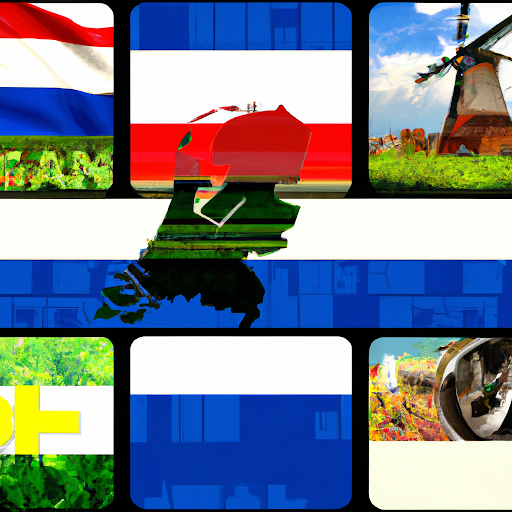
- About Netherlands
- Cost of Living and Currency in Netherlands
- Means of communication in Netherlands
- Netherlands Languages and Greetings
- Food and Cuisine in Netherlands
- Netherlands climate and clothing
- Security and Situation in Netherlands
- Religion and Culture of Netherlands
- Transportation in Netherlands
- Major cities of Netherlands
About Netherlands
The Netherlands is a small country located in Western Europe, bordered by Germany to the east and Belgium to the south. It is a densely populated country, with a population of 17.2 million people, making it the sixth most populous country in the European Union. The Netherlands is known for its rich cultural heritage, its vibrant cities, and its picturesque countryside.
The Netherlands is a constitutional monarchy, with King Willem-Alexander as its head of state. The country is divided into 12 provinces, each with its own government and laws. The capital of the Netherlands is Amsterdam, which is also the largest city in the country. Other major cities include Rotterdam, The Hague, Utrecht, and Eindhoven.
The Netherlands is a highly developed country, with a strong economy and a high standard of living. It is a major exporter of agricultural products, such as dairy, vegetables, and flowers. The country is also a major producer of oil and natural gas, and is home to several large multinational corporations.
The Netherlands is known for its rich cultural heritage, which includes a variety of art forms, such as painting, sculpture, and architecture. The country is also home to many museums, galleries, and other cultural institutions. The Dutch are also known for their love of sports, particularly football (soccer) and cycling.
The Netherlands is a popular tourist destination, with many attractions to explore. Amsterdam is a particularly popular destination, with its canals, museums, and nightlife. Other popular destinations include Rotterdam, The Hague, Utrecht, and Eindhoven. The country is also home to many national parks, such as the Hoge Veluwe National Park and the De Hoge Veluwe National Park.
The Netherlands is a beautiful country, with a rich cultural heritage and a vibrant economy. It is a great place to visit, with plenty of attractions to explore and activities to enjoy. Whether you’re looking for a relaxing holiday or an exciting adventure, the Netherlands has something for everyone.
Cost of Living and Currency in Netherlands
The official currency of the Netherlands is the Euro (EUR). The Euro is a widely accepted currency in the country, and you can exchange your currency at banks, exchange offices, and ATMs throughout the country.
In terms of the cost of living, the Netherlands is generally considered to be an expensive country to live in compared to other European countries. However, the cost of living can vary depending on where you live in the country.
Cities like Amsterdam, Utrecht, and Rotterdam are generally more expensive than smaller cities and towns. Housing is one of the biggest expenses in the Netherlands, with rent and property prices being relatively high. Food and groceries are also expensive, but public transportation is generally affordable and efficient.
Overall, the cost of living in the Netherlands can be quite high, but it can also depend on your lifestyle and spending habits. It is always a good idea to research and plan your budget accordingly before moving or traveling to the country.
Means of communication in Netherlands
There are several SIM card and wifi router rental services available for travelers in the Netherlands. Here are some of the vendors that offer these services:
- SimCorner: This vendor offers a range of SIM card options for travelers in the Netherlands, with plans that include data, talk, and text. They also offer wifi routers for rental.
- TravelSim: TravelSim offers SIM cards for travelers in the Netherlands with options for data, talk, and text. They also offer wifi hotspots for rental.
- My Webspot: My Webspot offers wifi hotspots for rental in the Netherlands with unlimited data. They offer pick-up and drop-off services at several locations in the country.
- Tep Wireless: Tep Wireless offers wifi hotspots for rental in the Netherlands with unlimited data. They offer pick-up and drop-off services at several locations in the country.
- Holland SIM Card: Holland SIM Card offers SIM cards for travelers in the Netherlands with options for data, talk, and text. They offer delivery to hotels and airports in the country.
These are just a few of the vendors that offer SIM card and wifi router rental services for travelers in the Netherlands. It’s a good idea to compare prices and features before choosing a vendor that suits your needs.
Netherlands Languages and Greetings
The official language of the Netherlands is Dutch. Here are some simple greetings in Dutch and how to pronounce them:
- Hello – Hallo (hah-loh)
- Good morning – Goedemorgen (khoo-duh-mor-ghun)
- Good afternoon – Goedemiddag (khoo-duh-mid-dahkh)
- Good evening – Goedenavond (khoo-duh-nah-vohnd)
- Goodbye – Tot ziens (tot zeens)
- Thank you – Dank u wel (dahnk uu vel)
- Please – Alstublieft (ahl-stu-bleeft)
- Yes – Ja (yah)
- No – Nee (nay)
- Excuse me – Pardon (pahr-dohn)
It’s worth noting that the Dutch language can be tricky to pronounce, especially for non-native speakers. If you’re unsure about how to pronounce a word or phrase, don’t be afraid to ask a local for help or to use a translation app to listen to the pronunciation.
Food and Cuisine in Netherlands
The Netherlands has a diverse food culture that is influenced by its geography, history, and neighboring countries. Here are some key aspects of Netherlands’ food culture and some recommended foods and drinks:
- Bread and pastries: Bread is a staple in the Dutch diet, and there are many varieties to choose from, including white, brown, and sourdough. Dutch pastries, such as stroopwafels (thin waffles with caramel filling), oliebollen (deep-fried dough balls), and gevulde koeken (almond-filled cookies), are also popular.
- Cheese: The Netherlands is famous for its cheese, and there are many varieties to choose from, including Gouda, Edam, and Maasdam. Cheese markets, such as the one in Alkmaar, are a popular tourist attraction.
- Herring: Raw herring is a traditional Dutch snack that is typically served with onions and pickles. It’s a popular street food and can be found at herring carts throughout the country.
- Stamppot: Stamppot is a traditional Dutch dish that consists of mashed potatoes and vegetables, such as kale, sauerkraut, or carrots. It’s often served with smoked sausage or meatballs.
- Bitterballen: Bitterballen are deep-fried meatballs that are typically served as a snack with mustard. They’re a popular bar food in the Netherlands.
- Jenever: Jenever is a Dutch gin that is typically served chilled and neat. It’s a popular drink in the Netherlands and is often enjoyed as an aperitif or digestif.
- Beer: The Netherlands has a rich beer culture, with many local breweries producing a variety of styles, such as pilsners, lagers, and wheat beers. Popular Dutch beer brands include Heineken, Grolsch, and Amstel.
These are just a few examples of the foods and drinks that are popular in the Netherlands. As with any country, there is a wide range of regional and seasonal specialties to discover as well.
Netherlands climate and clothing
The weather in the Netherlands can be unpredictable and can change quickly, with mild to cool temperatures throughout the year. Here’s what you can expect and what to wear in the Netherlands:
- Spring (March to May): Spring in the Netherlands can be cool, with average temperatures ranging from 5°C to 15°C (41°F to 59°F). Rain is common during this time, so it’s a good idea to bring waterproof shoes and a jacket.
- Summer (June to August): Summer in the Netherlands is typically mild and pleasant, with average temperatures ranging from 15°C to 25°C (59°F to 77°F). Light clothing, such as t-shirts and shorts, is suitable for the daytime, but a light sweater or jacket is recommended for the cooler evenings.
- Autumn (September to November): Autumn in the Netherlands can be cool and wet, with average temperatures ranging from 5°C to 15°C (41°F to 59°F). Bring waterproof shoes and a jacket, as well as layers for cooler temperatures.
- Winter (December to February): Winter in the Netherlands can be cold, with average temperatures ranging from 0°C to 5°C (32°F to 41°F). It can also be wet and windy, so bring warm clothing, including a hat, gloves, and a scarf.
Overall, it’s a good idea to bring layers when visiting the Netherlands, as temperatures can vary throughout the day. Waterproof shoes and a jacket are also recommended, as rain is common throughout the year.
Security and Situation in Netherlands
The Netherlands is generally considered a safe country to visit, with a low crime rate and effective law enforcement. However, like any country, there are some security concerns and risks that travelers should be aware of. Here are some key points to keep in mind:
- Terrorism: The Netherlands has a low risk of terrorism, but there have been a few incidents in recent years. Visitors should be vigilant and aware of their surroundings, especially in crowded areas, tourist attractions, and public transportation.
- Pickpocketing and theft: Pickpocketing and theft can occur in busy tourist areas, so it’s important to take precautions, such as keeping your valuables out of sight, using a money belt or secure bag, and being aware of your surroundings.
- Scams: Tourist scams, such as fake police officers and street vendors selling counterfeit goods, can occur in popular tourist areas. Visitors should be cautious and use common sense when dealing with strangers.
- Drug laws: The Netherlands is known for its liberal drug policies, but it’s important to remember that drugs are not legal, but rather decriminalized. Visitors should be aware of the risks and penalties associated with drug use and purchase, and should avoid involvement with illegal drugs.
- Natural disasters: The Netherlands is a low-risk area for natural disasters, but flooding can occur in some areas. Visitors should be aware of local weather conditions and follow any advice or warnings from authorities.
Overall, the Netherlands is a safe and welcoming country, but visitors should exercise caution and be aware of potential risks and scams. By using common sense and taking appropriate precautions, travelers can enjoy a safe and enjoyable trip to the Netherlands.
Religion and Culture of Netherlands
The Netherlands has a rich and diverse culture, influenced by its history, geography, and people. Here are some key points about religion and culture in the Netherlands:
- Religion: The Netherlands is a predominantly Christian country, with Roman Catholicism and Protestantism being the largest denominations. However, in recent years, the country has become more secular, with a growing number of people identifying as atheist or agnostic. There are also significant Muslim, Hindu, and Buddhist populations in the Netherlands.
- Arts and culture: The Netherlands is known for its contributions to art and culture, particularly in the areas of painting, architecture, and design. The country is home to many world-renowned museums, such as the Rijksmuseum and the Van Gogh Museum in Amsterdam, and the Kröller-Müller Museum in the Hoge Veluwe National Park. The Netherlands is also famous for its tulips, windmills, and cheese.
- Festivals and holidays: The Netherlands celebrates many festivals and holidays throughout the year, including King’s Day (April 27), Liberation Day (May 5), and Sinterklaas (December 5). The country is also known for its colorful and festive carnivals, such as the one held in Maastricht.
- Food and drink: Dutch cuisine is known for its hearty and simple dishes, such as stamppot (mashed potatoes with vegetables), erwtensoep (pea soup), and bitterballen (deep-fried meatballs). The Netherlands is also famous for its cheeses, such as Gouda and Edam, and its sweet treats, such as stroopwafels (caramel-filled waffles) and oliebollen (deep-fried doughnuts).
- Sports: Sports are an important part of Dutch culture, with football (soccer) being the most popular sport in the country. The Netherlands has produced many successful football players, such as Johan Cruyff and Marco van Basten. Other popular sports in the Netherlands include speed skating, field hockey, and cycling.
Overall, the Netherlands has a rich and diverse culture, with a long history of art, music, and innovation. Visitors to the country can experience this culture through its museums, festivals, food, and sports, and can learn more about its people and traditions.
Transportation in Netherlands
The Netherlands has a well-developed transportation system that includes a variety of options for getting around the country. Here are some of the main transportation options in the Netherlands:
- Trains: The Netherlands has an extensive train network that connects most major cities and towns in the country. The trains are operated by Nederlandse Spoorwegen (NS), and tickets can be purchased at train stations or online.
- Buses: Buses are another popular mode of transportation in the Netherlands, especially for shorter distances and rural areas. There are many bus companies that operate in the country, including Arriva and Connexxion.
- Trams and metro: Larger cities in the Netherlands, such as Amsterdam and Rotterdam, have tram and metro systems that make it easy to get around the city center and suburbs. Tickets can be purchased at stations or on the tram/metro.
- Taxis: Taxis are widely available in the Netherlands, but they can be expensive, especially in larger cities. It’s best to use licensed taxis, which have a blue license plate and a meter.
- Cycling: Cycling is a popular and practical way to get around the Netherlands, as the country has an extensive network of bike paths and lanes. Bikes can be rented at train stations, bike shops, and many other locations.
- Cars: Renting a car is an option for those who want to explore the countryside or travel to remote areas. However, driving in larger cities can be challenging and parking can be expensive.
Overall, the Netherlands has a variety of transportation options that are convenient, affordable, and easy to use. Visitors to the country can choose the mode of transportation that best suits their needs and preferences.
Major cities of Netherlands
Here are three major cities in the Netherlands along with an overview of each:
- Amsterdam: Amsterdam is the capital city of the Netherlands and is known for its beautiful canals, historic architecture, and vibrant nightlife. The city has a rich cultural heritage and is home to many world-renowned museums, such as the Rijksmuseum and the Van Gogh Museum. Visitors to Amsterdam can also explore its many parks, markets, and cafes, or take a boat tour of the city’s canals.
- Rotterdam: Rotterdam is the second-largest city in the Netherlands and is known for its modern architecture, bustling port, and multicultural population. The city is home to many innovative architectural landmarks, such as the Cube Houses and the Markthal. Visitors to Rotterdam can also explore its many museums and galleries, such as the Boijmans Van Beuningen Museum, or enjoy its vibrant nightlife and music scene.
- Utrecht: Utrecht is a historic city in the central Netherlands and is known for its beautiful canals, medieval architecture, and vibrant cultural scene. The city is home to many historic landmarks, such as the Dom Tower and the St. Martin’s Cathedral, as well as many museums and galleries, such as the Centraal Museum. Visitors to Utrecht can also explore its many cafes, restaurants, and shops, or take a bike tour of the surrounding countryside.
Overall, each of these three cities has a unique character and offers visitors a different experience of the Netherlands, from the historic charm of Utrecht to the modern energy of Rotterdam and the cultural richness of Amsterdam.
コメント