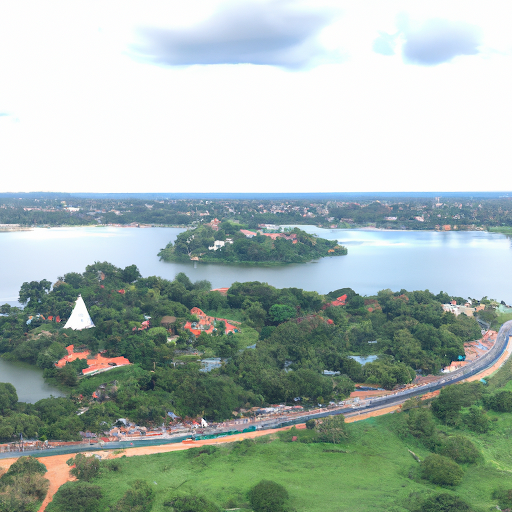
- About Sri Lanka
- Cost of Living and Currency in Sri Lanka
- Means of communication in Sri Lanka
- Sri Lanka Languages and Greetings
- Food and Cuisine in Sri Lanka
- Sri Lanka climate and clothing
- Security and Situation in Sri Lanka
- Religion and Culture of Sri Lanka
- Transportation in Sri Lanka
- Major cities of Sri Lanka
About Sri Lanka
Sri Lanka is an island nation located off the southeastern coast of India. It is known for its rich culture, stunning beaches, and lush landscapes. The country is home to a diverse population of over 21 million people, and is a popular tourist destination for its tropical climate and stunning scenery.
Sri Lanka has a long and storied history, with evidence of human habitation dating back to the Paleolithic era. The country was ruled by various kingdoms and empires throughout its history, including the Sinhalese Kingdom, the Portuguese, the Dutch, and the British. In 1948, Sri Lanka gained independence from the British, and the country has since become a democratic republic.
The country is divided into nine provinces, each with its own unique culture and attractions. The capital city of Colombo is a bustling metropolis, home to a variety of attractions, including the National Museum, the Galle Face Green, and the Gangaramaya Temple. Other popular cities include Kandy, Nuwara Eliya, and Galle.
Sri Lanka is home to a variety of stunning beaches, from the golden sands of Negombo to the tranquil waters of Trincomalee. The country is also known for its lush landscapes, with tea plantations, rainforests, and national parks. Popular national parks include Yala National Park, home to a variety of wildlife, and Horton Plains National Park, which offers stunning views of the surrounding landscape.
Sri Lanka is also known for its vibrant culture, with a variety of festivals and events taking place throughout the year. Popular festivals include the Kandy Esala Perahera, a colorful procession of elephants and dancers, and the Sinhala and Tamil New Year, which is celebrated with feasts and fireworks.
Sri Lanka is a popular tourist destination, with a variety of attractions to suit all tastes. From its stunning beaches and lush landscapes to its vibrant culture and festivals, Sri Lanka is a country that offers something for everyone. Whether you’re looking for a relaxing beach holiday or an adventure-filled journey, Sri Lanka has something to offer.
Cost of Living and Currency in Sri Lanka
The currency of Sri Lanka is the Sri Lankan rupee (LKR). As of February 2023, the exchange rate is approximately 1 USD to 205 LKR.
The cost of living in Sri Lanka varies depending on the region and type of accommodation and lifestyle choices. Generally speaking, the cost of living in Sri Lanka is relatively low compared to many other countries, particularly in terms of food and transportation. However, the cost of accommodation can be higher, particularly in popular tourist areas.
Here are some examples of typical costs in Sri Lanka:
- A meal at an inexpensive restaurant: 500-800 LKR
- One-way ticket on public transportation: 25-50 LKR
- Taxi ride in the city center: 200-400 LKR
- 1 liter of milk: 120-150 LKR
- 1 loaf of bread: 60-100 LKR
- 1 kg of rice: 90-120 LKR
- 1 kg of chicken: 400-500 LKR
- 1 kg of tomatoes: 150-200 LKR
It’s worth noting that prices may vary significantly depending on the location and time of year. For example, prices tend to be higher in popular tourist areas and during peak tourist season, which runs from December to March.
Means of communication in Sri Lanka
There are several SIM card and Wi-Fi router rental services available for travelers in Sri Lanka. Some of the popular vendors are:
- Dialog: Dialog is one of the largest mobile network operators in Sri Lanka, and they offer a range of SIM card and Wi-Fi router packages for travelers. Their tourist packages include pre-loaded data, voice, and SMS options, as well as free access to a range of tourist attractions and discounts on activities.
- Mobitel: Mobitel is another popular mobile network operator in Sri Lanka, and they offer a range of SIM card and Wi-Fi router rental options for travelers. Their packages include pre-loaded data, voice, and SMS options, as well as free access to selected tourist attractions.
- PickMe: PickMe is a ride-hailing app in Sri Lanka that also offers a SIM card and Wi-Fi router rental service for travelers. Their packages include pre-loaded data, and they offer the convenience of ordering a SIM card or router online and having it delivered to your hotel or airport.
- Airpocket: Airpocket is a mobile hotspot provider in Sri Lanka that offers Wi-Fi routers for rent to travelers. Their devices provide 4G connectivity, and they offer flexible rental periods and delivery options.
It’s worth noting that many of these services may require some form of identification, such as a passport, to activate the SIM card or router rental. It’s also a good idea to check the coverage and pricing of each option to ensure you find the best fit for your needs.
Sri Lanka Languages and Greetings
The official languages of Sri Lanka are Sinhala and Tamil. Sinhala is spoken by the majority of the population, while Tamil is spoken by a significant minority.
Here are some simple greetings in both languages, along with their pronunciation:
Sinhala:
- Hello: Ayubowan (pronounced ah-yoo-bo-wan)
- Good morning: Suba udesanak (pronounced soo-ba oo-de-sa-nak)
- How are you?: Kohomada? (pronounced ko-ho-ma-da)
- Thank you: Bohoma isthuthi (pronounced bo-ho-ma iss-too-thee)
- Goodbye: Ayubowan (pronounced ah-yoo-bo-wan)
Tamil:
- Hello: Vanakkam (pronounced vuh-nuh-kum)
- Good morning: Kaalai Vanakkam (pronounced kuh-lie vuh-nuh-kum)
- How are you?: Nalama? (pronounced na-la-ma)
- Thank you: Nandri (pronounced nun-dree)
- Goodbye: Poi vida (pronounced poy vee-duh)
Learning a few basic phrases in the local language can go a long way in showing respect and building rapport with locals.
Food and Cuisine in Sri Lanka
Sri Lankan cuisine is a fusion of influences from various regions, including India, Malaysia, and the Middle East. The food is known for its bold flavors, vibrant colors, and generous use of spices, such as cinnamon, cardamom, cumin, coriander, and curry leaves. Rice and curry is a staple dish in Sri Lankan cuisine, and it typically includes steamed rice, several curries made with vegetables, meats, or seafood, and condiments like sambal and chutney.
Here are some recommended Sri Lankan dishes and drinks to try:
- Hoppers (appa): A popular breakfast food made from a fermented batter of rice flour, coconut milk, and palm toddy. It’s cooked in a small wok-shaped pan and served with a variety of curries and sambols.
- Kottu Roti: A stir-fry dish made with chopped up roti bread, vegetables, and meat or seafood. It’s typically served with a spicy curry sauce.
- String Hoppers (idiyappam): A breakfast food made from rice flour dough that’s pressed through a mold to create thin noodles. It’s usually served with coconut sambal, lentil curry, and/or a meat or seafood curry.
- Pol Sambol: A coconut relish made with grated coconut, chili powder, lime juice, and salt. It’s often served as a condiment with various dishes.
- Watalappan: A traditional dessert made with coconut milk, jaggery (unrefined sugar), and spices such as cardamom, cloves, and nutmeg. It’s similar to a custard and usually steamed in a banana leaf.
- Arrack: A popular distilled alcoholic beverage made from the sap of coconut flowers. It’s often served with soda or mixed with coconut water.
- Ceylon tea: Sri Lanka is known for its high-quality tea, which is grown in the central highlands. Black tea is the most popular variety, and it’s often served with milk and sugar.
These are just a few examples of the many delicious dishes and drinks you can enjoy in Sri Lanka. Make sure to also try some of the many fruits and vegetables that are unique to the region, such as jackfruit, mango, and rambutan.
Sri Lanka climate and clothing
Sri Lanka has a tropical climate, with temperatures remaining fairly consistent throughout the year. The temperature usually hovers around 27-32°C (80-90°F), with high humidity levels. The country has two main monsoon seasons, with the southwest monsoon bringing heavy rain to the western and southern coasts from May to September, and the northeast monsoon bringing rain to the northern and eastern regions from December to February.
When traveling to Sri Lanka, it’s best to pack lightweight, breathable clothing made from natural fibers like cotton or linen. Loose-fitting clothing is ideal, especially for women, as it helps to keep you cool and comfortable in the humid conditions. It’s also a good idea to pack a lightweight rain jacket or umbrella, especially if you’re visiting during the monsoon seasons.
If you plan on visiting any religious sites in Sri Lanka, it’s important to dress modestly. Both men and women should avoid wearing shorts or revealing clothing and should cover their shoulders and knees.
Security and Situation in Sri Lanka
Sri Lanka is generally a safe country to travel to, but it’s important to be aware of the current situation and take necessary precautions to ensure your safety. In recent years, there have been instances of civil unrest and terrorist attacks in the country, particularly in the northern and eastern regions. However, these incidents are rare and largely confined to specific areas.
In addition, there is a risk of petty crime such as theft and pickpocketing in crowded areas, so it’s important to take basic precautions like keeping your valuables secure and being aware of your surroundings.
Travelers should also be aware of the potential for natural disasters in Sri Lanka, including landslides and flooding during the monsoon season.
It’s a good idea to check the latest travel advisories from your country’s government and to be aware of any local safety concerns. As with any travel destination, it’s important to exercise common sense and take necessary precautions to ensure your safety while traveling in Sri Lanka.
Religion and Culture of Sri Lanka
Sri Lanka has a rich and diverse culture that is heavily influenced by religion. The majority of Sri Lankans are followers of Theravada Buddhism, which was introduced to the country in the 3rd century BC. Hinduism, Islam, and Christianity are also practiced in Sri Lanka.
Buddhism has had a profound impact on Sri Lankan culture, with many ancient temples and ruins scattered throughout the country. The Temple of the Tooth in Kandy is one of the most revered Buddhist temples in Sri Lanka, and it is believed to house a relic of the Buddha’s tooth.
Sri Lankan culture is also known for its music, dance, and traditional crafts. Kandyan dance, which originated in the hill country, is a form of classical dance that is performed at religious festivals and other cultural events. Sri Lankan music is heavily influenced by Indian and Western music, and the country has a rich tradition of folk music.
Sri Lankan cuisine is also an important part of the country’s culture. The cuisine is known for its use of spices and flavors, with dishes such as rice and curry, hoppers, and string hoppers being popular throughout the country. Tea is also an important part of Sri Lankan culture, and the country is known for its high-quality tea production.
Overall, Sri Lankan culture is a unique blend of religion, music, dance, and cuisine, and it is deeply ingrained in the everyday lives of its people.
Transportation in Sri Lanka
Sri Lanka has several modes of transportation available to travelers, including:
- Tuk-tuks: These three-wheeled vehicles are a common mode of transportation in Sri Lanka, especially in urban areas. They are inexpensive and easy to find, but it’s important to negotiate the fare with the driver before starting the journey.
- Buses: Buses are the most common form of public transportation in Sri Lanka. They are cheap and cover most areas of the country, but they can be crowded and uncomfortable. It’s best to use express buses, which are faster and more comfortable than local buses.
- Trains: Sri Lanka has an extensive railway network, with trains connecting most major cities and towns. The trains are comfortable and offer scenic views of the countryside, especially in the hill country. However, they can be crowded, and it’s best to book tickets in advance to secure a seat.
- Private taxis: Private taxis are widely available in Sri Lanka and can be a good option for travelers who want a more comfortable and convenient mode of transportation. It’s important to negotiate the fare with the driver before starting the journey.
- Rental cars and motorcycles: Rental cars and motorcycles are available in Sri Lanka, but driving in the country can be challenging due to the narrow and often congested roads. It’s best to have prior experience of driving in a similar environment and to be aware of local driving customs and road rules.
Overall, transportation in Sri Lanka is affordable and convenient, but it’s important to plan ahead and choose the mode of transportation that best suits your needs and budget.
Major cities of Sri Lanka
Here are three major cities in Sri Lanka along with a brief overview of each:
- Colombo – Colombo is the largest city in Sri Lanka and serves as the country’s commercial and financial capital. The city has a mix of modern high-rise buildings and colonial-era architecture, and is located on the country’s west coast. Some of the top attractions in Colombo include the Gangaramaya Temple, the National Museum, and the Viharamahadevi Park.
- Kandy – Kandy is a city located in the central hills of Sri Lanka and is known for its ancient temples and cultural heritage. The city is home to the Temple of the Tooth, which houses a relic of the Buddha’s tooth, and is a UNESCO World Heritage Site. Other popular attractions in Kandy include the Royal Botanic Gardens and the Kandyan Arts Association, which showcases traditional dance and music.
- Galle – Galle is a historic coastal city located in the south of Sri Lanka. The city is known for its Dutch colonial architecture, which can be seen in the Galle Fort, a UNESCO World Heritage Site. The fort is also home to a number of shops, cafes, and museums, and is a popular destination for both tourists and locals. Other attractions in Galle include the lighthouse and the beaches, which are popular for surfing and sunbathing.

コメント