- About Saint Lucia
- Cost of Living and Currency in Saint Lucia
- Means of communication in Saint Lucia
- Saint Lucia Languages and Greetings
- Food and Cuisine in Saint Lucia
- Saint Lucia climate and clothing
- Security and Situation in Saint Lucia
- Religion and Culture of Saint Lucia
- Transportation in Saint Lucia
- Major cities of Saint Lucia
About Saint Lucia
Saint Lucia is an island nation located in the Caribbean Sea. It is part of the Lesser Antilles and is situated between Martinique and St. Vincent and the Grenadines. The island is known for its lush rainforests, stunning beaches, and vibrant culture.
The island was first inhabited by the Arawak and Carib Indians, who called it Iouanalao, meaning “Land of the Iguanas.” The island was later colonized by the French and British, who fought for control of the island until it was ceded to the British in 1814.
Today, Saint Lucia is an independent nation and a member of the Commonwealth of Nations. The island is home to a population of over 180,000 people, most of whom are of African or mixed African and European descent. The official language is English, although French and Creole are also spoken.
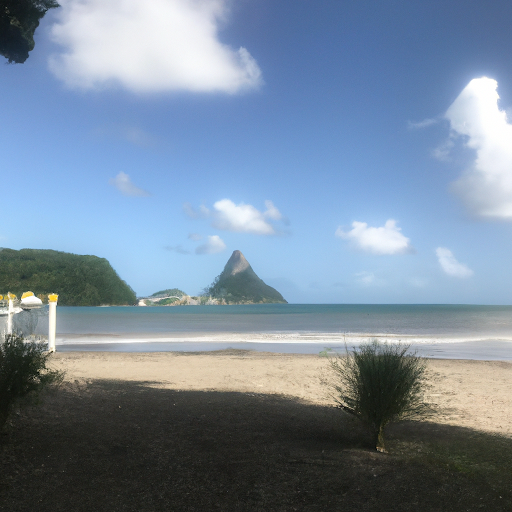
The island is known for its stunning natural beauty. It is home to the Pitons, two volcanic mountains that rise dramatically from the sea. The island is also home to lush rainforests, stunning beaches, and a variety of wildlife.
The economy of Saint Lucia is largely based on tourism. The island is a popular destination for cruise ships, and its resorts and hotels attract visitors from around the world. The island is also known for its agricultural products, such as bananas, coconuts, and spices.
Saint Lucia is also known for its vibrant culture. The island is home to a variety of festivals and events, such as the Saint Lucia Jazz Festival and the Saint Lucia Carnival. The island is also home to a variety of traditional music and dance, such as the quadrille and the bèlè.
Saint Lucia is a beautiful and vibrant island nation with a rich history and culture. From its stunning natural beauty to its vibrant culture, Saint Lucia is a destination that should not be missed.
Cost of Living and Currency in Saint Lucia
Saint Lucia’s currency is the Eastern Caribbean dollar (EC$), which is also used by several other countries in the Caribbean, including Grenada, Dominica, Saint Vincent and the Grenadines, and Antigua and Barbuda. The EC dollar is pegged to the US dollar at a fixed rate of EC$2.70 to US$1.
In terms of the cost of living in Saint Lucia, it can vary depending on the location and the lifestyle of the individual. Generally speaking, Saint Lucia is considered to be a moderately expensive country. The cost of food, accommodation, and transportation can be higher than in some other countries, but it can also depend on the individual’s preferences and the level of comfort they desire.
For example, a meal at a mid-range restaurant can cost around EC$50-75 per person, while a fast food meal can cost around EC$20-30. Rent for a one-bedroom apartment can range from EC$1,500-2,500 per month, depending on the location and the quality of the accommodation. A monthly transportation pass can cost around EC$200-300.
Overall, Saint Lucia is not the most expensive country in the Caribbean, but it is not the cheapest either. It is important to note that the cost of living can also vary depending on the season and the level of tourism, as prices can increase during peak periods.
Means of communication in Saint Lucia
There are several SIM card and WiFi router rental services available for travelers in Saint Lucia. Here are a few options:
- LIME: LIME is a popular telecommunications company in Saint Lucia that offers prepaid SIM cards for travelers. They have a variety of plans available, including data-only plans and plans with voice and text as well.
- Digicel: Digicel is another telecommunications company in Saint Lucia that offers prepaid SIM cards for travelers. They also have a variety of plans available, including data-only plans and plans with voice and text as well.
- Rent-a-Rom: Rent-a-Rom is a vendor that provides both SIM card and WiFi router rental services for travelers in Saint Lucia. They offer unlimited data plans for both their SIM cards and WiFi routers, making them a good option for those who need a lot of data.
- Saint Lucia Travel and Tourist Information: Saint Lucia Travel and Tourist Information is another vendor that provides both SIM card and WiFi router rental services for travelers in Saint Lucia. They offer both short-term and long-term rentals, and they have a variety of plans available to suit different needs.
It’s worth noting that there may be other vendors available as well, and prices and availability can vary depending on the season and other factors. It’s a good idea to do some research and compare options to find the best deal for your needs.
Saint Lucia Languages and Greetings
The official language of Saint Lucia is English, which is spoken by the majority of the population. However, there are also a few other languages spoken on the island, including Saint Lucian Creole French, which is a French-based Creole language that has developed over time in the Caribbean.
Here are some simple greetings and phrases in Saint Lucian Creole French, along with their English translations and pronunciation guide:
- Bonjou – Good morning (pronounced “bohn-joo”)
- Bonswa – Good evening (pronounced “bohn-swa”)
- Komans ou yé? – How are you? (pronounced “ko-mahns oo yeh?”)
- Mwen byen, mèsi. É ou menm? – I’m fine, thank you. And you? (pronounced “mwen byen, meh-see. eh oo men?”)
- Ki jan ou ka rele? – What’s your name? (pronounced “kee jahn oo ka reh-lay?”)
- Mwen ka rele… – My name is… (pronounced “mwen ka reh-lay…”)
- Mèsi – Thank you (pronounced “meh-see”)
- Ekskize mwen – Excuse me (pronounced “eks-kee-zay mwen”)
- Ki kote twalèt la? – Where is the bathroom? (pronounced “kee ko-tay twah-let la?”)
- Au revoir – Goodbye (pronounced “oh reh-vwah”)
Note: While English is the primary language of Saint Lucia, it’s always respectful to learn some basic phrases in the local language, especially if you’re visiting a foreign country. Using even a few words of the local language can help you connect with the people and culture of Saint Lucia.
Food and Cuisine in Saint Lucia
Saint Lucia’s food culture is influenced by a combination of African, French, and British culinary traditions, as well as indigenous Caribbean ingredients and flavors. Seafood is a staple of the island’s cuisine, and you’ll find a variety of fish and shellfish dishes on menus throughout Saint Lucia.
Here are some recommended foods and drinks to try in Saint Lucia:
- Fish Fry: Friday night fish fry events are popular in Saint Lucia, where you can sample a variety of grilled or fried fish, lobster, shrimp, and other seafood dishes.
- Green Fig and Saltfish: This dish consists of boiled green bananas served with salted codfish, onions, and peppers. It’s a popular breakfast dish in Saint Lucia.
- Bouyon: Bouyon is a hearty stew made with meat (usually beef or chicken), vegetables, and dumplings. It’s often served with bread or rice.
- Callaloo Soup: This soup is made with callaloo leaves (similar to spinach) and coconut milk, along with a variety of other ingredients such as pumpkin, okra, and crab.
- Piton Beer: Piton is a locally brewed beer that’s popular in Saint Lucia. It’s named after the iconic Pitons, the two volcanic peaks that rise from the sea on the island’s southwest coast.
- Rum Punch: Rum is a popular spirit in the Caribbean, and Saint Lucia is no exception. Rum punch is a classic cocktail made with rum, fruit juice, and spices.
- Banana Ketchup: This condiment is made with mashed bananas, vinegar, and spices, and is often used as a dipping sauce for fried foods or as a flavoring for meats.
These are just a few examples of the delicious food and drink options available in Saint Lucia. Whether you’re looking for seafood, meat dishes, or vegetarian options, you’re sure to find something that suits your tastes on this flavorful island.
Saint Lucia climate and clothing
Saint Lucia has a tropical climate, with temperatures typically ranging from the mid-70s to mid-80s Fahrenheit (mid-20s to low-30s Celsius) throughout the year. The island is also prone to heavy rain and occasional tropical storms, particularly during the hurricane season from June to November.
When it comes to what to wear in Saint Lucia, lightweight, breathable clothing is recommended due to the warm and humid climate. Loose-fitting clothing made of natural fibers like cotton or linen can help you stay cool and comfortable. Shorts, t-shirts, sundresses, and sandals are all appropriate for casual settings. However, some restaurants and hotels may have dress codes that require more formal attire, so it’s a good idea to check ahead of time if you plan to dine out or attend an event.
In terms of footwear, sandals or comfortable walking shoes are recommended for exploring the island’s beaches and natural attractions. If you plan to hike or participate in other outdoor activities, sturdy sneakers or hiking boots are also a good idea.
If you’re visiting Saint Lucia during the rainy season, be sure to bring a lightweight rain jacket or poncho, as well as an umbrella. Additionally, it’s a good idea to pack insect repellent and sunscreen, as well as a hat and sunglasses to protect yourself from the sun.
Overall, Saint Lucia’s warm and tropical climate means that lightweight, breathable clothing is key for staying comfortable while exploring the island’s many attractions.
Security and Situation in Saint Lucia
Saint Lucia is a small island country in the eastern Caribbean with a population of approximately 180,000 people. Overall, Saint Lucia is considered a safe country for tourists and locals alike, but there are still some security concerns that visitors should be aware of.
Crime does exist in Saint Lucia, and visitors should exercise caution, especially in isolated areas or at night. Some common types of crime include theft, pickpocketing, and burglary. Visitors are advised to keep their valuables in a safe place and avoid carrying large amounts of cash.
In terms of political stability, Saint Lucia is a democratic country with a stable government. There have been occasional protests and demonstrations, but these have typically been peaceful.
One concern for the country is the impact of climate change, as Saint Lucia is vulnerable to extreme weather events such as hurricanes and flooding. In recent years, the country has made efforts to mitigate these risks and adapt to the changing climate.
Overall, Saint Lucia is a beautiful and welcoming country with a relatively low level of crime. However, visitors should still take precautions to ensure their safety and be aware of the potential risks associated with extreme weather events.
Religion and Culture of Saint Lucia
Saint Lucia is a country with a rich and diverse culture that reflects its history and its people. The country has a predominantly Christian population, with Roman Catholicism being the largest denomination. Other Christian denominations, such as Anglican, Methodist, and Seventh-Day Adventist, are also present.
In addition to Christianity, there are also small populations of Muslims and Hindus in Saint Lucia, as well as some people who practice traditional Caribbean religions.
The culture of Saint Lucia is a blend of African, European, and Caribbean influences. The island has a vibrant music scene, with a variety of genres including soca, reggae, and calypso. The annual Saint Lucia Jazz Festival is a major cultural event that attracts visitors from around the world.
The cuisine of Saint Lucia is also a reflection of its diverse cultural influences. The island’s cuisine features a variety of seafood, as well as African, Indian, and French-inspired dishes. Some popular dishes include saltfish and green figs, callaloo soup, and bouyon.
One unique aspect of Saint Lucian culture is the Creole language, which is a French-based Creole language spoken by many people on the island. Creole is an important part of the island’s cultural heritage and is still widely spoken today.
Overall, Saint Lucia’s religion and culture are a reflection of its diverse history and people, and the country has a rich cultural heritage that is celebrated and cherished by its inhabitants.
Transportation in Saint Lucia
Saint Lucia has a variety of transportation options available to visitors and locals alike. The most common modes of transportation include:
- Taxis: Taxis are widely available throughout Saint Lucia, and they are a convenient way to get around the island. Fares are generally fixed, and visitors should confirm the fare with the driver before getting in the taxi.
- Rental Cars: Rental cars are also available on the island, and they offer visitors the freedom to explore at their own pace. Visitors should be aware that driving is on the left side of the road in Saint Lucia.
- Public Buses: Public buses are a cheap and convenient way to get around Saint Lucia, but they can be crowded and unreliable. Visitors should be aware that the buses may not operate on a fixed schedule and may not run on Sundays.
- Water Taxis: Water taxis are available in some areas of Saint Lucia, and they offer visitors a unique way to explore the island’s coastline.
- Private Transfers: Private transfers are also available in Saint Lucia, and they are a convenient way to get to and from the airport or other destinations on the island. Private transfers can be arranged in advance through tour operators or hotel concierges.
Overall, visitors to Saint Lucia have a range of transportation options available to them, and choosing the right mode of transportation will depend on their individual needs and preferences.
Major cities of Saint Lucia
Saint Lucia is a small island country, and it does not have any large cities. However, there are several towns and villages on the island that are worth visiting. Here are three major towns in Saint Lucia and an overview of each:
- Castries: Castries is the capital city of Saint Lucia, and it is the largest urban area on the island. The city is home to a bustling market, where visitors can find local produce, handicrafts, and souvenirs. Other attractions in Castries include the Cathedral Basilica of the Immaculate Conception, the Derek Walcott Square, and the Castries Waterworks Forest Reserve.
- Soufrière: Soufrière is a picturesque town located on the west coast of Saint Lucia. The town is known for its stunning natural beauty, including the Pitons, two volcanic peaks that are a UNESCO World Heritage Site. Other attractions in Soufrière include the Diamond Botanical Gardens, the Sulphur Springs Park, and the Anse Chastanet beach.
- Vieux Fort: Vieux Fort is a town located on the southern tip of Saint Lucia. The town is home to the island’s main airport, Hewanorra International Airport. Vieux Fort is also known for its beaches, including Sandy Beach and Anse des Sables. Other attractions in the area include the Maria Islands Nature Reserve and the Moule a Chique lighthouse.
Overall, each of these towns has its own unique charm and attractions, and visitors to Saint Lucia should consider exploring all three to get a sense of the island’s culture and natural beauty.
コメント