About Italy
Italy is a country located in Southern Europe, and is home to some of the world’s most iconic cities, such as Rome, Florence, and Venice. It is a country steeped in history, culture, and art, and is one of the most popular tourist destinations in the world.
The country is bordered by France, Switzerland, Austria, and Slovenia, and is home to the Mediterranean Sea. Italy is a peninsula, meaning it is surrounded by water on three sides. This makes it a great destination for beach holidays, as well as sightseeing and exploring the many historical sites.
The capital of Italy is Rome, and it is one of the most visited cities in the world. It is home to some of the most iconic landmarks, such as the Colosseum, the Pantheon, and the Trevi Fountain. Rome is also home to the Vatican City, the smallest country in the world, and the home of the Pope.
Florence is another popular destination in Italy, and is known for its art and architecture. It is home to some of the world’s most famous works of art, such as Michelangelo’s David and Botticelli’s Birth of Venus. Florence is also home to the Uffizi Gallery, one of the oldest and most famous art galleries in the world.
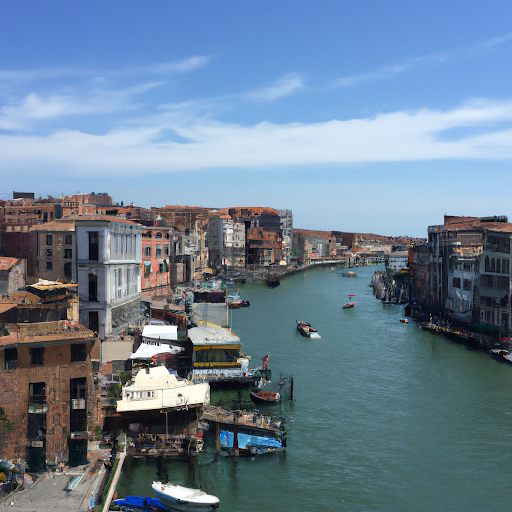
Venice is another popular destination in Italy, and is known for its canals and gondolas. It is a city of romance, and is home to some of the most beautiful churches and palaces in the world. Venice is also home to the famous St. Mark’s Square, where visitors can enjoy the sights and sounds of the city.
Italy is also home to some of the world’s best food. Italian cuisine is known for its fresh ingredients, and is one of the most popular cuisines in the world. Italian dishes such as pizza, pasta, and gelato are enjoyed by people all over the world.
Italy is a country with a rich history and culture, and is a great destination for anyone looking to explore the world. From its iconic cities to its delicious cuisine, Italy is a country that has something for everyone.
Cost of Living and Currency in Italy
Italy’s currency is the Euro (€), which is the same currency used by 19 other European Union countries. The Euro is divided into 100 cents and comes in coins and banknotes.
The cost of living in Italy varies depending on the city and region. Generally speaking, the cost of living in major Italian cities like Rome, Milan, and Florence is higher than in smaller towns and cities. Housing and transportation are usually the biggest expenses in Italy, but food and dining out can also be relatively expensive, especially in tourist areas.
Here are some approximate costs for common expenses in Italy as of early 2023:
- Rent for a one-bedroom apartment in a city center: €600-€1,500 per month
- Monthly utilities (electricity, gas, water, internet): €100-€200
- One-way ticket on local public transport: €1.50-€2.00
- Cappuccino at a café: €1.00-€3.00
- Meal at a mid-range restaurant for one person: €15-€25
- Loaf of bread: €1.00-€2.00
- 1kg of chicken breast: €7.00-€10.00
- 1kg of apples: €1.50-€3.00
- 1 liter of milk: €1.00-€1.50
- Monthly gym membership: €30-€50
It’s worth noting that prices can vary significantly depending on the location and time of year. In general, southern Italy tends to be less expensive than the north. Additionally, prices may be higher in tourist areas or during peak travel season.
Means of communication in Italy
There are several SIM card and wifi router rental services available for travelers in Italy. Here are some options and their respective vendors:
- TIM Tourist SIM Card: This SIM card is designed specifically for tourists and offers unlimited calls, texts, and 4G data. It can be purchased online or at a TIM store in Italy. The cost is €30 for 4 weeks of service.
- Vodafone Tourist SIM Card: This SIM card also offers unlimited calls, texts, and 4G data, and can be purchased online or at a Vodafone store in Italy. The cost is €30 for 4 weeks of service.
- Wind Tre Tourist SIM Card: This SIM card offers 20GB of data, unlimited calls and texts within Italy, and 100 minutes of international calls. It can be purchased online or at a Wind Tre store in Italy. The cost is €25 for 4 weeks of service.
- Pocket wifi rental: This option allows travelers to rent a portable wifi device that can be used to connect multiple devices to the internet. There are several vendors that offer this service, including My Webspot, Tep Wireless, and Travelwifi. Prices vary depending on the rental period and the amount of data included.
- Local SIM card purchase: Travelers can also purchase a local SIM card from a mobile provider in Italy, such as TIM, Vodafone, or Wind Tre. Prices and plans vary depending on the provider and the amount of data, calls, and texts included.
It’s always a good idea to research and compare different options before choosing a SIM card or wifi rental service, as prices and plans can vary significantly.
Italy Languages and Greetings
The official language of Italy is Italian (italiano). Here are some simple greetings in Italian and their pronunciation:
- Ciao (chow): This is a casual way to say both “hello” and “goodbye.” It’s pronounced with a soft “ch” sound, like the “ch” in “cheese.”
- Buongiorno (bwohn-JOR-noh): This means “good morning” and is used until around midday. It’s pronounced with the stress on the second syllable.
- Buonasera (bwoh-nuh-SEH-rah): This means “good evening” and is used from late afternoon until night. It’s pronounced with the stress on the second syllable.
- Buonanotte (bwoh-nuh-NOT-teh): This means “goodnight” and is used when saying goodbye before going to bed. It’s pronounced with the stress on the second syllable.
- Salve (SAL-veh): This is a formal way to say “hello” and can be used at any time of day. It’s pronounced with the stress on the first syllable.
- Grazie (GRAHT-see-eh): This means “thank you” and is pronounced with the stress on the second syllable.
- Prego (PREH-goh): This means “you’re welcome” or “please” and can be used in a variety of contexts. It’s pronounced with the stress on the first syllable.
Remember that Italian is a language with many regional variations, and pronunciation may differ depending on the region.
Food and Cuisine in Italy
Italy is known for its rich and diverse food culture, which varies depending on the region. Generally, Italian cuisine emphasizes simple, high-quality ingredients, and emphasizes the importance of fresh, seasonal produce. Pasta, pizza, and wine are some of Italy’s most famous exports, but the country’s food culture is much more diverse than that.
Here are some recommended foods and drinks to try in Italy:
- Pizza: Italy is the birthplace of pizza, and you’ll find a variety of regional styles throughout the country. Neapolitan pizza, made with San Marzano tomatoes, mozzarella cheese, and fresh basil, is a classic. Pizza al taglio (by the slice) is also popular in Rome.
- Pasta: Italy has hundreds of types of pasta, and each region has its specialties. Some popular types include spaghetti, linguine, fettuccine, and penne. Pasta is typically served with a variety of sauces, including tomato-based sauces, pesto, and ragù.
- Gelato: Italian ice cream, or gelato, is known for its rich flavor and creamy texture. It’s typically made with high-quality ingredients and comes in a variety of flavors, from classic vanilla and chocolate to more unique flavors like hazelnut and pistachio.
- Espresso: Italians take their coffee seriously, and espresso is a staple. It’s a small, strong shot of coffee that’s usually served with a small glass of water to cleanse the palate.
- Aperitivo: This is a pre-dinner ritual in Italy that involves enjoying a drink and small bites with friends. Aperol Spritz, made with Aperol, Prosecco, and soda water, is a popular aperitivo drink.
- Wine: Italy is one of the world’s largest wine producers, and there are countless varieties to choose from. Some popular Italian wines include Chianti, Barolo, and Prosecco.
- Antipasti: These are small appetizers that are typically served before a meal. They can include a variety of foods, such as cured meats, olives, cheeses, and bruschetta.
It’s worth noting that Italy’s food culture is diverse and varies depending on the region. What’s popular in one part of the country may not be as common in another, so be sure to try local specialties when you travel to different regions.
Italy climate and clothing
Italy’s weather varies depending on the region and the time of year. Generally, the country has a Mediterranean climate with mild winters and hot summers, although there are regional variations. Here are some guidelines on what to expect and what to wear in Italy based on the season:
Spring (March-May): Spring is a popular time to visit Italy, as temperatures are mild and there are fewer crowds. Temperatures can range from cool in the north to warm in the south. A light jacket or sweater is recommended, as well as comfortable shoes for walking.
Summer (June-August): Summer in Italy can be hot, especially in the south, with temperatures often reaching the 90s Fahrenheit (30s Celsius). Lightweight clothing made of natural fibers such as cotton or linen is recommended, as well as comfortable shoes for walking. Sunscreen and a hat are also recommended.
Fall (September-November): Fall in Italy is a popular time to visit, as temperatures are mild and the crowds are smaller. Temperatures can range from cool in the north to warm in the south, but the weather can be unpredictable. A mix of lightweight and heavier clothing is recommended, as well as comfortable shoes for walking.
Winter (December-February): Winter in Italy can be cold, especially in the north, with temperatures often dropping below freezing. Heavy clothing such as a coat, scarf, and gloves is recommended, as well as comfortable shoes for walking.
It’s worth noting that Italy is known for its fashion, and Italians generally dress stylishly. While there’s no strict dress code, it’s a good idea to dress neatly and avoid overly casual clothing like athletic wear or flip flops, especially when visiting churches or other religious sites. Additionally, it’s a good idea to dress modestly when visiting these sites, covering shoulders and knees.
Security and Situation
Italy is generally a safe country to travel to, and violent crime rates are low. However, as with any destination, travelers should take common-sense precautions to stay safe. Here are some tips to help ensure a safe and enjoyable trip to Italy:
- Be aware of pickpocketing: Pickpocketing and other forms of petty theft are common in tourist areas and on public transportation, particularly in larger cities like Rome, Florence, and Venice. Be vigilant of your belongings and keep them secure, especially in crowded areas. Consider using a money belt or other discreet storage option to keep your valuables safe.
- Avoid street demonstrations: Italy has a history of political demonstrations, particularly in major cities. While most protests are peaceful, they can sometimes turn violent. Avoid getting too close to demonstrations, and if you happen to be caught in one, leave the area as quickly and calmly as possible.
- Be cautious when driving: If you plan on driving in Italy, be aware that Italian drivers can be aggressive and roads can be narrow and winding, particularly in rural areas. Be sure to familiarize yourself with Italian driving laws and be prepared to navigate narrow streets and busy traffic.
- Be mindful of scams: As with any popular tourist destination, there are occasional scams aimed at travelers. Be wary of people offering unsolicited help, particularly at train stations and airports. Always confirm the cost of a service or purchase before agreeing to it, and be wary of anyone asking for your personal information or money.
- Stay informed of current events: Keep up-to-date on current events in Italy, particularly if there are any potential safety concerns. The U.S. Department of State offers travel advisories for Italy that provide useful information and safety recommendations.
Overall, Italy is a safe and welcoming destination for travelers, but it’s important to stay alert and take common-sense precautions to stay safe.
Religion and Culture of Italy
Italy’s culture is deeply influenced by its Roman Catholic heritage, which has shaped the country’s art, architecture, and traditions. Catholicism remains the predominant religion in Italy, with over 80% of the population identifying as Catholic.
The Catholic Church has played an important role in Italian history and culture, with many famous works of art and architecture commissioned by the Church or created by Catholic artists. Some of the country’s most famous landmarks, such as the Vatican City and St. Peter’s Basilica in Rome, are closely tied to the Catholic Church.
Italian culture is also known for its emphasis on family and community, with strong family ties and a sense of belonging to a community being important values. Italians are often known for their love of food and wine, with cuisine playing a central role in Italian culture.
In addition to its Catholic heritage, Italy has a long history of artistic and cultural achievements, including the Renaissance, which produced some of the world’s most famous artists and thinkers such as Leonardo da Vinci and Michelangelo. Italian literature, music, and cinema are also renowned internationally.
Regional differences are also a significant part of Italian culture, with each region having its own traditions, dialects, and cuisines. These regional differences are celebrated and contribute to the richness and diversity of Italian culture.
Transportation in Italy
Italy has a comprehensive transportation system that includes trains, buses, taxis, and rental cars. Here is an overview of the most common transportation options in Italy:
- Trains: Italy has an extensive network of train services operated by Trenitalia and Italo. Trains are generally fast, efficient, and affordable, making them a popular choice for travelers. The high-speed trains, known as Frecciarossa or Frecciargento, connect major cities and offer comfortable seats and amenities like onboard cafes and free Wi-Fi.
- Buses: Buses are another popular form of transportation in Italy, especially for traveling to smaller towns or rural areas. Companies like Flixbus and Buscenter offer affordable and comfortable long-distance bus services.
- Taxis: Taxis are widely available in major cities like Rome, Florence, and Milan, and can be hailed on the street or at designated taxi stands. Taxis in Italy are metered, and fares are regulated by the local government.
- Rental Cars: Rental cars are available at major airports and cities in Italy. Driving in Italy can be challenging, especially in cities where streets can be narrow and crowded. However, renting a car can be a good option for exploring rural areas or regions that are difficult to reach by public transportation.
- Subway/Metro: Major cities in Italy have subway/metro systems that are convenient for getting around quickly and easily. Rome, Milan, Naples, and Turin are the cities with the most extensive subway systems in Italy.
- Ferries: Italy is surrounded by water, and ferries are available to reach many of the islands off the coast. The most famous islands in Italy are Capri, Ischia, and Sardinia.
It’s important to note that transportation options may vary depending on the region of Italy you are visiting. In general, transportation in Italy is reliable, affordable, and efficient, making it easy for travelers to get around and explore the country.
Major cities of Italy
Here are three major cities in Italy along with a brief overview of each:
- Rome: Rome is the capital city of Italy and is known for its rich history, architecture, and art. It was once the center of the Roman Empire and is home to many ancient landmarks such as the Colosseum, the Pantheon, and the Roman Forum. Rome is also home to the Vatican City, the smallest independent state in the world and the headquarters of the Catholic Church. Visitors can explore art museums, enjoy delicious Italian cuisine, and stroll through charming neighborhoods like Trastevere and Monti.
- Florence: Florence is a beautiful city in the Tuscany region of Italy and is considered the birthplace of the Renaissance. It’s known for its stunning architecture, art, and history. The city is home to many famous landmarks such as the Duomo, the Uffizi Gallery, and the Ponte Vecchio bridge. Visitors can explore the winding streets and narrow alleys of the historic city center, sample delicious Tuscan cuisine, and take in the city’s artistic and cultural heritage.
- Venice: Venice is a unique city in northeastern Italy built on a network of canals. It’s known for its romantic atmosphere, stunning architecture, and art. Visitors can explore the city’s canals by gondola or water taxi, visit famous landmarks such as St. Mark’s Basilica and the Doge’s Palace, and sample delicious seafood and Italian wine. Venice is also famous for its Carnival celebrations, where people dress up in elaborate costumes and masks for a week-long celebration of music, dance, and art.

コメント