- About Indonesia
- Cost of Living and Currency in Indonesia
- Means of communication in Indonesia
- Indonesia Languages and Greetings
- Food and Cuisine in Indonesia
- Indonesia climate and clothing
- Security and Situation in Indonesia
- Religion and Culture of Indonesia
- Transportation in Indonesia
- Major cities of Indonesia
About Indonesia
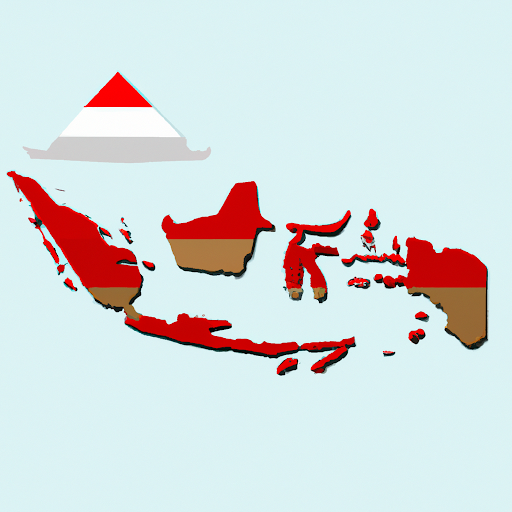
Indonesia is a Southeast Asian country located in the Indian Ocean and the Pacific Ocean. It is the world’s fourth most populous country, with a population of over 260 million people. Indonesia is a diverse nation, with over 300 ethnic groups and 700 languages spoken. It is also the world’s largest archipelago, with over 17,000 islands.
Indonesia is a democratic nation, with a president and a parliament. The country is divided into 34 provinces, each with its own governor and local government. The capital of Indonesia is Jakarta, located on the island of Java.
Indonesia has a tropical climate, with temperatures ranging from 21 to 32 degrees Celsius. The country experiences two distinct seasons: the wet season, which runs from October to April, and the dry season, which runs from May to September.
Indonesia is a major tourist destination, with its beautiful beaches, lush rainforests, and vibrant culture. The country is home to some of the world’s most stunning natural wonders, such as the Komodo National Park, the Borobudur Temple, and the Baliem Valley.
Indonesia is also a major economic power in the region. The country has a large and growing economy, with a GDP of over $1 trillion. The country is a major exporter of oil, natural gas, and other commodities. It is also a major producer of electronics, textiles, and other manufactured goods.
Indonesia is a culturally rich nation, with a long history of art, music, and literature. The country is home to a variety of traditional dances, such as the Saman and the Reog. Indonesian cuisine is also popular, with dishes such as nasi goreng and sate.
Indonesia is a vibrant and diverse nation, with something to offer everyone. From its stunning natural beauty to its vibrant culture, Indonesia is a country that is sure to leave a lasting impression.
Cost of Living and Currency in Indonesia
The currency of Indonesia is the Indonesian Rupiah (IDR), which is abbreviated as Rp. As of March 2023, the exchange rate is approximately 14,500 IDR to 1 USD.
Indonesia is generally an affordable country to live in, with a low cost of living compared to many developed countries. However, the cost of living can vary depending on the region, with cities like Jakarta and Bali being more expensive than smaller cities and rural areas.
The cost of food in Indonesia can be quite low, especially if you eat at local warungs (small roadside eateries) or street food stalls. A typical meal at a warung can cost around 20,000-30,000 IDR ($1.50-$2 USD). Restaurants and cafes in touristy areas can be more expensive, with meals ranging from 50,000-100,000 IDR ($3.50-$7 USD) or more.
Accommodation costs in Indonesia can also vary widely depending on the location and type of accommodation. In major cities like Jakarta, a decent one-bedroom apartment in a central location can cost around 4-6 million IDR ($280-$420 USD) per month, while a similar apartment in smaller cities may cost half that amount. Budget guesthouses and hostels can be found in many areas for around 100,000-200,000 IDR ($7-$14 USD) per night, while mid-range hotels can cost upwards of 500,000 IDR ($35 USD) per night.
Transportation costs in Indonesia can be quite affordable, with public transportation options including buses, trains, and motorbike taxis (ojeks). Fares for public transportation can range from 3,000-10,000 IDR ($0.20-$0.70 USD) depending on the distance and mode of transportation.
Overall, the cost of living in Indonesia can be quite affordable, especially for travelers who are willing to stay in budget accommodations and eat at local eateries. However, costs can add up quickly in touristy areas, so it’s important to budget accordingly.
Means of communication in Indonesia
There are several SIM card and wifi router rental services available for travelers in Indonesia. Here are a few options with the names of the vendors:
- Traveloka – Traveloka is a popular travel booking platform in Indonesia that also offers SIM card and wifi router rental services for travelers. You can order a SIM card or wifi router online and have it delivered to your hotel or pick it up at the airport.
- Klook – Klook is a travel activities booking platform that also offers SIM card and wifi router rental services for travelers. You can order a SIM card or wifi router online and have it delivered to your hotel or pick it up at the airport.
- H.I.S. Travel Indonesia – H.I.S. Travel Indonesia is a travel agency that offers SIM card and wifi router rental services for travelers. You can order a SIM card or wifi router online and have it delivered to your hotel or pick it up at their office in Jakarta.
- IndoSIM – IndoSIM is a local company that specializes in SIM card rental services for travelers in Indonesia. You can order a SIM card online and have it delivered to your hotel or pick it up at the airport.
- My Webspot Indonesia – My Webspot Indonesia is a global wifi rental company that offers wifi router rental services for travelers in Indonesia. You can order a wifi router online and have it delivered to your hotel or pick it up at the airport.
Indonesia Languages and Greetings
The official language of Indonesia is Indonesian (Bahasa Indonesia). Here are some simple greetings in Indonesian and how to pronounce them:
- Hello – “Halo” (ha-loh)
- Good morning – “Selamat pagi” (se-la-mat pa-gi)
- Good afternoon – “Selamat siang” (se-la-mat see-ang)
- Good evening – “Selamat malam” (se-la-mat ma-lam)
- How are you? – “Apa kabar?” (ah-pah ka-bar)
- I’m fine, thank you – “Baik-baik saja, terima kasih” (ba-ik ba-ik sa-ja, te-ri-ma ka-sih)
- What is your name? – “Siapa nama Anda?” (see-ah-pa na-ma an-dah)
- My name is… – “Nama saya…” (na-ma sa-ya…)
- Nice to meet you – “Senang bertemu dengan Anda” (se-nang ber-te-mu den-gan an-dah)
- Goodbye – “Selamat tinggal” (se-la-mat ting-gal)
Note: The pronunciation guide uses English sounds to approximate the Indonesian words, but the actual pronunciation may vary slightly.
Food and Cuisine in Indonesia
Indonesia has a rich and diverse food culture, influenced by various cultural and regional cuisines. The cuisine is known for its vibrant flavors, spices, and herbs.
Indonesian cuisine has a range of dishes, including rice-based meals, noodle dishes, soups, curries, and street food. Here are some recommended foods and drinks to try in Indonesia:
- Nasi goreng – A popular Indonesian dish made with fried rice, vegetables, and a choice of protein like chicken or shrimp. It is often served with a fried egg on top.
- Satay – Grilled meat skewers marinated with spices and served with a peanut sauce. Chicken and beef are the most common types of meat used.
- Gado-gado – A salad made with mixed vegetables, tofu, tempeh, and a peanut sauce dressing.
- Soto – A soup made with chicken or beef broth, rice noodles, and vegetables. It is often served with boiled eggs, fried shallots, and a side of crackers.
- Rendang – A spicy beef curry made with coconut milk, lemongrass, and a blend of spices.
- Nasi Padang – A rice-based meal originating from Padang, Sumatra. It features a range of dishes like curries, fried chicken, and vegetables served with rice.
- Sate Padang – A variation of the satay dish originating from Padang, Sumatra. It features beef or offal skewers in a spicy, thick sauce.
- Es Cendol – A popular sweet drink made with coconut milk, palm sugar, and green rice flour jelly called cendol.
- Es Kelapa Muda – A refreshing drink made with young coconut water and flesh.
- Teh Botol – A bottled sweetened tea that is a popular beverage in Indonesia.
Indonesia’s food culture also includes various street foods like gorengan (fried snacks), bakso (meatball soup), and martabak (stuffed pancake). It is also common to have a range of sambal (spicy sauce) and krupuk (crackers) on the table to accompany meals.
Indonesia climate and clothing
Indonesia is a tropical country with a warm and humid climate all year round. The country experiences two main seasons: the wet season (November to March) and the dry season (April to October). However, the weather and climate can vary across the country due to Indonesia’s large size and diverse geography.
In general, temperatures in Indonesia range between 26-32°C (79-90°F) during the day and 22-26°C (72-79°F) at night. The wet season brings heavy rain and thunderstorms, while the dry season has little to no rainfall.
When it comes to what to wear in Indonesia, it is best to opt for light and breathable clothing due to the warm and humid climate. Loose-fitting cotton or linen clothing is ideal to help keep you cool and comfortable. It is also important to consider cultural norms when choosing clothing, particularly when visiting religious sites. In these cases, it is best to dress modestly, covering your shoulders and knees.
In addition, it is recommended to bring rain gear and a light sweater or jacket for cooler evenings or air-conditioned spaces. It is also important to wear sunscreen, sunglasses, and a hat when spending time outdoors to protect yourself from the sun.
Security and Situation in Indonesia
As of my current date of March 2023, Indonesia is a large and diverse country located in Southeast Asia, consisting of over 17,000 islands and with a population of around 275 million people. Overall, the security situation in Indonesia can vary depending on the region and context.
One of the main security concerns in Indonesia continues to be terrorism, particularly from extremist groups such as Jemaah Islamiyah and ISIS-linked organizations. In recent years, there have been several high-profile terrorist attacks in the country, including bombings at churches, police stations, and tourist areas. The Indonesian government has taken measures to combat terrorism, including increasing security measures and cracking down on extremist groups.
Political stability remains another issue in Indonesia, with occasional protests and demonstrations taking place. The country has a history of political unrest and has experienced several periods of authoritarian rule. The government has made efforts to promote democracy and political stability, but political tensions can still arise, particularly during election cycles.
In addition to terrorism and political instability, Indonesia also faces challenges related to natural disasters such as earthquakes, volcanic eruptions, and tsunamis. These events can cause significant damage and loss of life, particularly in areas with poor infrastructure and limited resources.
Despite these challenges, Indonesia remains a popular tourist destination and has a vibrant and diverse culture. The country is also a member of the Association of Southeast Asian Nations (ASEAN) and has active diplomatic relations with countries around the world.
Religion and Culture of Indonesia
Indonesia is a diverse country with a rich cultural and religious heritage. The majority of the population identifies as Muslim, with around 87% of Indonesians practicing Islam. However, there are also significant populations of Christians, Hindus, Buddhists, and followers of traditional indigenous religions.
Indonesia’s culture is shaped by its history as a hub of trade and commerce, with influences from neighboring countries such as China, India, and Malaysia. Traditional arts such as batik textiles, wayang (shadow puppet) performances, and gamelan music are still practiced and celebrated throughout the country.
Indonesian cuisine is also known for its diversity and unique flavors. Popular dishes include nasi goreng (fried rice), satay (grilled meat skewers), and rendang (spicy beef curry). The country is also known for its coffee, with several regions producing high-quality beans.
Religious festivals and holidays play an important role in Indonesian culture. The Islamic holy month of Ramadan is widely observed, with many businesses and schools adjusting their hours during this time. Other important holidays include Christmas for Christians and Nyepi, the Balinese New Year, which is celebrated with a day of silence and meditation.
Indonesia is home to many different ethnic groups, each with their own unique traditions and customs. Despite these differences, Indonesians generally place a strong emphasis on community and hospitality, with a culture of “gotong royong” or mutual cooperation and assistance.
Transportation in Indonesia
Indonesia has a variety of transportation options available for travelers, including:
- Air travel: Indonesia has several major airports, including Soekarno-Hatta International Airport in Jakarta and Ngurah Rai International Airport in Bali. Several domestic airlines offer flights throughout the country, making air travel a convenient option for longer distances.
- Train travel: Indonesia also has a railway system that connects major cities on the island of Java, including Jakarta, Bandung, and Surabaya. Trains range from economy to executive class, with some routes offering sleeper cars for overnight travel.
- Bus travel: Buses are a common mode of transportation in Indonesia, with several private and public companies offering routes throughout the country. Some buses offer air conditioning and other amenities, while others are more basic.
- Taxis and ride-hailing services: Taxis are widely available in major cities, with companies such as Blue Bird and Go-Jek operating in Jakarta and other locations. Ride-hailing services such as Grab and Go-Jek are also popular, offering options for cars, motorcycles, and even boats in some areas.
- Motorbikes and scooters: In many parts of Indonesia, motorbikes and scooters are a popular mode of transportation. They can be rented from shops or through ride-hailing services, and are a convenient way to navigate traffic in urban areas.
- Ferries and boats: Indonesia is an archipelago with many islands, so ferries and boats are an important mode of transportation for travel between islands. Companies such as Pelni offer regular routes throughout the country, while smaller boats can be rented for private use.
Major cities of Indonesia
Here are three major cities in Indonesia and an overview of each:
- Jakarta – Jakarta is the capital and largest city in Indonesia, with a population of over 10 million people. It is a bustling metropolis that serves as the country’s economic and political center. Jakarta is home to many national landmarks, including the National Monument and Istiqlal Mosque, the largest mosque in Southeast Asia. The city also has a vibrant cultural scene, with museums, theaters, and galleries showcasing Indonesian art and history. However, Jakarta is also known for its heavy traffic and air pollution.
- Surabaya – Surabaya is the second-largest city in Indonesia, with a population of over 3 million people. It is located on the island of Java and is a major commercial and industrial hub. Surabaya has a rich history, having served as a center of trade and commerce since the 13th century. The city is home to several landmarks, including the House of Sampoerna, a museum dedicated to Indonesian cigarettes, and the Suramadu Bridge, which connects Surabaya to the nearby island of Madura. Surabaya is also known for its delicious street food, including local favorites such as rujak cingur and sate klopo.
- Bali – Bali is a popular tourist destination located in the westernmost part of Indonesia. It is an island province known for its beautiful beaches, stunning landscapes, and rich cultural heritage. Bali is home to several important Hindu temples, including the iconic Pura Tanah Lot and Uluwatu Temple. The island also has a thriving arts and crafts scene, with many artisans creating traditional Balinese crafts such as batik textiles and woodcarvings. Bali is also known for its vibrant nightlife, with many bars, clubs, and restaurants offering entertainment and live music.

コメント