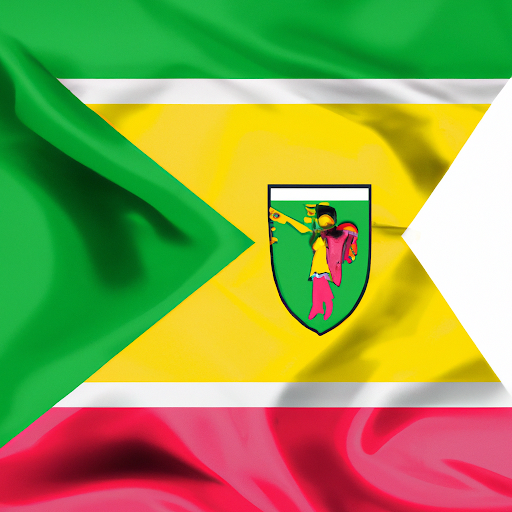
About Guyana
Guyana is a small country located on the northern coast of South America. It is bordered by Venezuela to the west, Brazil to the south, and Suriname to the east. Guyana is the only English-speaking country in South America, and its population is estimated to be around 750,000.
Guyana is a diverse country with a rich history and culture. The country was originally inhabited by the Arawak and Carib peoples, and was later colonized by the Dutch and British. The country gained independence from the United Kingdom in 1966, and has since become a republic.
Guyana is a tropical country with a tropical climate. The country experiences two distinct seasons: the dry season, which runs from December to May, and the wet season, which runs from June to November. The country is home to a variety of flora and fauna, including the jaguar, giant anteater, and the giant river otter.
Guyana is a major producer of sugar, rice, and bauxite. The country is also a major exporter of timber, gold, and diamonds. The country’s economy is largely dependent on its natural resources, and it is one of the poorest countries in South America.
Guyana is a multi-ethnic country, with a population that is made up of people of African, Indian, Chinese, and European descent. The official language of Guyana is English, and the country is home to a variety of religions, including Christianity, Hinduism, and Islam.
Guyana is a popular tourist destination, with its lush rainforests, beautiful beaches, and unique wildlife. The country is home to a number of national parks, including the Iwokrama Rainforest Reserve, the Kanuku Mountains National Park, and the Shell Beach National Park.
Guyana is a fascinating country with a rich history and culture. It is a great destination for those looking to explore the natural beauty of South America, and to experience the unique culture of the country.
Cost of Living and Currency in Guyana
Guyana’s official currency is the Guyanese dollar (GYD), which is divided into 100 cents. As of March 2023, the exchange rate is approximately 1 USD to 205 GYD.
In terms of the cost of living, Guyana is generally considered to be an affordable country. However, the cost of living can vary depending on location and lifestyle.
In the capital city of Georgetown, the cost of living is higher than in other parts of the country. Rent for a one-bedroom apartment in the city center can range from GYD 50,000 to GYD 100,000 per month, while a meal at a mid-range restaurant can cost between GYD 1,500 to GYD 3,000.
Outside of Georgetown, the cost of living can be significantly lower. Rent for a one-bedroom apartment can range from GYD 20,000 to GYD 50,000 per month, while a meal at a local restaurant can cost between GYD 500 to GYD 1,500.
Overall, the cost of living in Guyana is generally lower than in many other countries, but it can still be challenging for some locals due to low wages and limited job opportunities in some areas.
Means of communication in Guyana
There are several SIM card and Wi-Fi router rental services available for travelers in Guyana. Here are a few options:
- GTT (Guyana Telephone and Telegraph Company) – This is the largest telecommunications provider in Guyana, and they offer prepaid SIM cards for travelers. You can purchase a SIM card at the airport or at any GTT store, and top-up cards are widely available. GTT also offers Wi-Fi hotspots throughout the country.
- Digicel – This is another telecommunications provider in Guyana, and they also offer prepaid SIM cards for travelers. You can purchase a SIM card at the airport or at any Digicel store, and top-up cards are widely available. Digicel also offers Wi-Fi hotspots throughout the country.
- TravelWiFi Guyana – This is a local company that specializes in renting out portable Wi-Fi routers to travelers. They offer unlimited data plans and claim to have coverage throughout Guyana. You can book their service online or contact them directly.
- Guyana Amazon Warriors – This is a cricket team in Guyana that also offers Wi-Fi hotspot rentals to travelers. Their service is available at the airport and at their office in Georgetown.
Please note that availability and pricing may vary, so it’s always a good idea to research your options and compare before making a decision.
Guyana Languages and Greetings
The official language of Guyana is English, so most people speak English fluently. However, Guyanese Creole is also widely spoken, which is a Creole language based on English with influences from West African and East Indian languages.
Here are some simple greetings and phrases in Guyanese Creole, along with their pronunciations:
- Hello – “Wah gwaan” (pronounced “wah gwahn”)
- How are you? – “Hoo yuh daan?” (pronounced “hoo yuh dahn?”)
- Good morning – “Gud mawnin” (pronounced “gud mornin”)
- Thank you – “Tenk yuh” (pronounced “tenk yuh”)
- Please – “Pliiz” (pronounced “pleez”)
- Yes – “Ya” (pronounced “yah”)
- No – “Nuh” (pronounced “nuh”)
- Goodbye – “Layta” (pronounced “lay-tah”)
It’s worth noting that English is the language of business, government, and education in Guyana, so you will have no trouble communicating in English. However, learning a few phrases in Guyanese Creole can be a fun and respectful way to connect with locals and show your appreciation for their culture.
Food and Cuisine in Guyana
Guyana’s food culture is diverse and reflects the country’s history and geography. The cuisine is a blend of African, Indian, Chinese, European, and Indigenous influences, with a focus on fresh and flavorful ingredients.
Here are some recommended foods and drinks to try in Guyana:
- Pepperpot – This is a traditional Amerindian dish made from beef or pork, cassareep (a thick sauce made from cassava), and spices. It’s usually served with bread, rice, or roti.
- Roti – This is a type of flatbread that is popular in Guyana, especially among the Indo-Guyanese population. It’s typically filled with curried vegetables, meat, or seafood and served with chutney.
- Cook-up rice – This is a popular one-pot dish that includes rice, beans, and meat (usually chicken or pork). It’s flavored with coconut milk, herbs, and spices and served with salad or fried plantains.
- Metagee – This is a dish made from salted fish, cassava, and plantains, boiled together and served with pepper sauce.
- Mauby – This is a traditional drink made from the bark of the mauby tree, flavored with cinnamon, cloves, and nutmeg.
- Sorrel – This is a sweet and tangy drink made from the calyx of the sorrel plant, flavored with ginger and cloves.
- Rum – Guyana is known for its high-quality rum, which is made from locally grown sugar cane. Some popular brands include El Dorado and XM.
Overall, Guyana’s food culture is rich and varied, and there are many delicious dishes to discover. Be sure to try some of the local specialties and flavors when you visit.
Guyana climate and clothing
Guyana has a tropical climate with two distinct seasons: a rainy season and a dry season. The rainy season runs from May to July and from November to January, while the dry season runs from August to October and from February to April. The temperature in Guyana is relatively constant throughout the year, with average highs around 30°C (86°F) and average lows around 22°C (72°F).
Here are some tips on what to wear in Guyana:
- Light and breathable clothing – Given the warm and humid climate, it’s best to wear lightweight and breathable clothing that will keep you cool and comfortable. Natural fibers like cotton and linen are good options.
- Rain gear – If you’re traveling during the rainy season, it’s a good idea to bring a waterproof jacket or umbrella to protect yourself from the frequent rain showers.
- Sun protection – With temperatures hovering around 30°C (86°F), it’s important to protect yourself from the sun. Wear a hat, sunglasses, and sunscreen to prevent sunburn and heatstroke.
- Insect repellent – Guyana has a high mosquito population, so it’s important to wear insect repellent to protect yourself from mosquito-borne diseases like dengue and malaria.
- Comfortable shoes – If you plan to do a lot of walking or hiking, be sure to wear comfortable shoes that can handle uneven terrain and wet conditions.
Overall, the key to dressing for Guyana’s climate is to prioritize comfort and practicality. Be prepared for hot and humid weather, occasional rain showers, and plenty of insects.
Security and Situation in Guyana
Guyana is generally a safe country to visit, but like any other country, it’s important to exercise caution and be aware of your surroundings, particularly in urban areas. Petty crime, such as pickpocketing and theft, can occur, especially in popular tourist areas and on public transportation. It’s advisable to take common-sense precautions such as keeping valuables hidden and avoiding carrying large amounts of cash.
There are also some areas of Guyana that are known to have higher levels of crime, particularly in the capital city of Georgetown. It’s recommended to avoid certain neighborhoods, particularly at night, and to travel with a trusted local guide if you’re visiting more remote areas.
In addition to crime, Guyana also experiences occasional political unrest and protests. These events are usually peaceful, but travelers should still exercise caution and avoid areas where demonstrations are taking place.
There are also some health risks associated with traveling to Guyana, particularly in relation to mosquito-borne illnesses like malaria and dengue fever. It’s recommended to take precautions such as wearing insect repellent and taking anti-malarial medication if traveling to high-risk areas.
Overall, Guyana is a relatively safe country to visit, but it’s important to stay informed about the local situation and to take necessary precautions to ensure a safe and enjoyable trip. It’s always a good idea to consult with local authorities or trusted travel advisories before planning your trip.
Religion and Culture of Guyana
Guyana is a multi-ethnic and multicultural country with a rich and diverse history. Its population is made up of various ethnic groups, including Afro-Guyanese, Indo-Guyanese, Chinese, and Indigenous peoples. As a result, Guyana has a rich and varied cultural landscape.
Religion in Guyana is also diverse, with Christianity being the largest religious group, followed by Hinduism, Islam, and Indigenous beliefs. Christianity is primarily practiced by Afro-Guyanese and Indo-Guyanese communities, while Hinduism is primarily practiced by the Indo-Guyanese community, and Islam is primarily practiced by the Afro-Guyanese community.
The culture of Guyana is influenced by its diverse ethnic groups and history of colonization. The country’s cuisine, music, and literature reflect its multi-ethnic heritage. For example, Guyanese cuisine is a fusion of African, Indian, Chinese, and Indigenous flavors, while its music draws from Afro-Caribbean, Indian, and Indigenous traditions.
Guyana is also known for its vibrant festivals and celebrations, including Diwali (a Hindu festival of lights), Eid-ul-Fitr (an Islamic festival marking the end of Ramadan), and Mashramani (a national carnival celebration).
The country’s Indigenous communities also have a strong cultural heritage, with traditions and customs that have been passed down for generations. Many of these communities continue to live a traditional way of life, relying on subsistence farming, hunting, and fishing.
Overall, Guyana’s culture is diverse and vibrant, with a mix of Indigenous, African, Indian, and European influences. It’s a unique blend that makes Guyana a fascinating and culturally rich country to explore.
Transportation in Guyana
There are several modes of transportation available in Guyana, including:
- Taxis – Taxis are readily available in most cities and towns in Guyana. Fares are generally reasonable, but it’s advisable to negotiate the price before starting your journey.
- Buses – Buses are the most common mode of transportation for locals in Guyana. The buses are often crowded and not very comfortable, but they are an affordable way to get around.
- Minibuses – Minibuses are a popular alternative to buses. They are smaller and faster than buses, but also more expensive.
- Car rental – Car rental services are available in major cities like Georgetown. However, driving in Guyana can be challenging due to poor road conditions and heavy traffic.
- Air travel – Domestic flights are available to some of Guyana’s more remote regions. The major domestic airlines in Guyana are Trans Guyana Airways and Roraima Airways.
- Water transport – Some parts of Guyana, particularly in the interior, are accessible only by water transport. River taxis and boats are available for hire in many towns and cities.
Overall, while transportation infrastructure in Guyana is not as developed as in some other countries, there are several options available to travelers depending on their budget and destination.
Major cities of Guyana
The three major cities in Guyana are Georgetown, Linden, and New Amsterdam. Here’s an overview of each city:
- Georgetown – Georgetown is the capital city of Guyana and the largest city in the country. It’s located on the east bank of the Demerara River and has a population of around 250,000 people. Georgetown is known for its colonial architecture, including St. George’s Cathedral, which is one of the tallest wooden buildings in the world. The city is also home to the Guyana National Museum, which houses artifacts and exhibits related to the country’s history and culture.
- Linden – Linden is the second-largest city in Guyana, located on the Demerara River in the Upper Demerara-Berbice region. The city has a population of around 30,000 people and is known for its bauxite mining industry. Linden is also a gateway to Guyana’s interior, with many tours and expeditions departing from the city.
- New Amsterdam – New Amsterdam is a town located on the east bank of the Berbice River in the East Berbice-Corentyne region of Guyana. It’s the country’s third-largest city, with a population of around 18,000 people. New Amsterdam is known for its historic architecture, including the New Amsterdam Town Hall and the New Amsterdam Hospital. The town is also home to the Berbice Bridge, which connects the east and west banks of the Berbice River.
Each of these cities offers a unique glimpse into Guyana’s history, culture, and way of life.

コメント