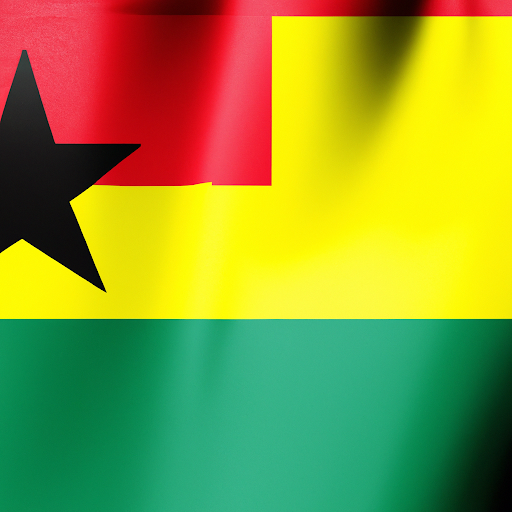
- About Guinea-Bissau
- Cost of Living and Currency in Guinea-Bissau
- Means of communication in Guinea-Bissau
- Guinea-Bissau Languages and Greetings
- Food and Cuisine in Guinea-Bissau
- Guinea-Bissau climate and clothing
- Security and Situation in Guinea-Bissau
- Religion and Culture of Guinea-Bissau
- Transportation in Guinea-Bissau
- Major cities of Guinea-Bissau
About Guinea-Bissau
Guinea-Bissau is a small West African nation located on the Atlantic coast. It is bordered by Senegal to the north and Guinea to the south and east. The country has a population of 1.8 million people and covers an area of 36,125 square kilometers.
The history of Guinea-Bissau is a long and complex one. The area was first settled by the Portuguese in the 15th century, and the Portuguese maintained control of the region until 1974. During this time, the country was known as Portuguese Guinea. In 1974, a revolution led by the African Party for the Independence of Guinea and Cape Verde (PAIGC) overthrew the Portuguese government and declared independence.
Since independence, Guinea-Bissau has been plagued by political instability and military coups. In 1998, a civil war broke out between the government and a rebel group, the Movement for the Democratic Forces of Guinea-Bissau (MFDC). The conflict ended in 1999, but the country has yet to fully recover from the effects of the war.
The economy of Guinea-Bissau is largely based on agriculture, with the majority of the population engaged in subsistence farming. The country is also rich in natural resources, including timber, fish, and oil. However, the economy has been hampered by political instability and corruption.
The official language of Guinea-Bissau is Portuguese, although many people also speak Crioulo, a Portuguese-based creole language. The majority of the population is Christian, with a small Muslim minority.
Guinea-Bissau is a member of the African Union, the Economic Community of West African States (ECOWAS), and the Community of Portuguese Language Countries (CPLP). The country is also a signatory to the United Nations Convention on the Law of the Sea.
Despite its political and economic challenges, Guinea-Bissau is a beautiful country with a rich culture and history. The country is home to a variety of wildlife, including chimpanzees, hippos, and crocodiles. The capital city, Bissau, is a vibrant and bustling city with a mix of colonial and modern architecture.
Guinea-Bissau is a fascinating country with a unique history and culture. Despite its challenges, the country is slowly making progress towards a more stable and prosperous future.
Cost of Living and Currency in Guinea-Bissau
Guinea-Bissau’s currency is the West African CFA franc (XOF), which is also used in several other West African countries. The exchange rate is approximately 1 euro = 655.957 XOF and 1 US dollar = 594.931 XOF as of March 2023.
The cost of living in Guinea-Bissau is relatively low compared to many other countries. However, it can vary depending on the location and lifestyle of the individual. In general, the cost of basic necessities such as food, housing, and transportation is relatively affordable.
The average monthly salary in Guinea-Bissau is around 150-200 euros, which is low compared to other countries. The cost of living can also be affected by inflation, which has been high in Guinea-Bissau in recent years.
In terms of food, local markets are the cheapest places to buy fresh produce, while supermarkets offer a wider range of products but at higher prices. Eating out at local restaurants is also relatively affordable, with a meal typically costing around 5-10 euros.
Housing costs vary depending on the location and type of accommodation. Renting a one-bedroom apartment in the city center can cost around 100-200 euros per month, while a three-bedroom apartment can cost 300-500 euros per month.
Transportation costs are also relatively low, with local buses and shared taxis being the most affordable options. The cost of gasoline is relatively high, however, due to the country’s reliance on imports.
Overall, while the cost of living in Guinea-Bissau is low compared to many other countries, it is important to note that the country is also one of the poorest in the world, and many people struggle to make ends meet.
Means of communication in Guinea-Bissau
There are several SIM card and wifi router rental services available for travelers in Guinea-Bissau. Here are some options:
- Orange Guinea-Bissau: Orange is the largest mobile network operator in Guinea-Bissau and offers both SIM cards and wifi router rentals for travelers. Their prepaid SIM cards are widely available at kiosks and supermarkets and can be topped up with credit as needed. They also offer wifi router rentals with various data packages to choose from.
- MTN Guinea-Bissau: MTN is another mobile network operator in Guinea-Bissau that offers SIM cards and data packages for travelers. Their prepaid SIM cards are also widely available at kiosks and supermarkets.
- Wigo Guinea-Bissau: Wigo is a local internet service provider in Guinea-Bissau that offers wifi hotspot rentals for travelers. Their portable wifi devices can be rented for a daily, weekly, or monthly fee, and they offer various data packages to choose from.
- Vodacom Guinea-Bissau: Vodacom is a mobile network operator in Guinea-Bissau that offers both SIM cards and data packages for travelers. Their prepaid SIM cards can be purchased at kiosks and supermarkets, and they offer various data packages to choose from.
It’s important to note that the quality and availability of wifi and mobile networks in Guinea-Bissau can be limited, particularly in more remote areas. It’s a good idea to check coverage maps and reviews before choosing a provider, and to be prepared with alternative communication options if necessary.
Guinea-Bissau Languages and Greetings
The official language of Guinea-Bissau is Portuguese, which was inherited from colonial times. However, there are also several indigenous languages spoken throughout the country, including Creole, which is a mixture of Portuguese and African languages.
Here are some simple greetings in Guinea-Bissau Creole:
- Bom dia – Good morning (pronounced “bohm DEE-uh”)
- Boa tarde – Good afternoon (pronounced “boh-uh TAR-deh”)
- Boa noite – Good evening/night (pronounced “boh-uh NOYT”)
- Olá – Hello (pronounced “oh-LAH”)
- Tchau – Goodbye (pronounced “chow”)
It’s important to note that the pronunciation of Creole can vary depending on the region and the speaker, so these are general approximations. Additionally, while many people in Guinea-Bissau can speak Portuguese, learning some basic phrases in Creole can be a helpful way to connect with locals and show respect for their culture.
Food and Cuisine in Guinea-Bissau
Guinea-Bissau’s food culture is influenced by a combination of African and Portuguese traditions. The cuisine typically features a variety of locally sourced ingredients, such as rice, cassava, seafood, and vegetables, as well as spices and seasonings that reflect the country’s diverse cultural heritage.
Here are some recommended foods and drinks to try in Guinea-Bissau:
- Jollof rice: This is a popular rice dish that is typically cooked with tomato sauce, onions, and a variety of spices, and can be served with chicken, fish, or vegetables.
- Caldo de Peixe: This is a fish soup that is typically made with a variety of vegetables and spices, and is often served with bread or rice.
- Frango Piri-Piri: This is a grilled chicken dish that is marinated in a spicy sauce made with peppers and other seasonings.
- Xima and Moamba de Galinha: Xima is a type of porridge made from cornmeal, while Moamba de Galinha is a spicy chicken stew that is typically served with the xima.
- Bolo Polana: This is a popular dessert that is made with ground peanuts, sugar, and eggs, and is often served with tea or coffee.
As for drinks, Guinea-Bissau is known for its palm wine, which is made from the sap of palm trees and has a sweet and slightly sour taste. Other popular drinks include bissap, which is a hibiscus flower tea, and café touba, which is a spiced coffee made with African pepper.
It’s worth noting that some restaurants and street vendors in Guinea-Bissau may not have menus or offer a limited selection of dishes, so it’s helpful to ask locals for recommendations and be open to trying new foods. Additionally, it’s important to be mindful of food hygiene and drink bottled water or boiled water to avoid getting sick.
Guinea-Bissau climate and clothing
Guinea-Bissau has a tropical climate with two distinct seasons: a rainy season that lasts from May to October, and a dry season that lasts from November to April. The temperature in Guinea-Bissau is typically hot and humid year-round, with average temperatures ranging from 25-30°C (77-86°F) during the day and 20-25°C (68-77°F) at night.
If you’re traveling to Guinea-Bissau, it’s important to pack clothing that is appropriate for the climate. Here are some tips:
- Lightweight, breathable fabrics such as cotton or linen are recommended, as they will help keep you cool and comfortable in the hot and humid weather.
- Long-sleeved shirts and pants can also be useful to protect against mosquitoes and other insects.
- Bring a rain jacket or umbrella if you’re traveling during the rainy season, as heavy downpours can occur.
- Sandals or comfortable shoes are recommended, as the streets and sidewalks can be uneven and unpaved in some areas.
- It’s a good idea to dress modestly and conservatively, particularly if you’re visiting religious or cultural sites. Avoid wearing revealing clothing or clothing with offensive language or graphics.
Overall, packing lightweight and comfortable clothing that can be layered and adjusted for the weather is recommended when traveling to Guinea-Bissau.
Security and Situation in Guinea-Bissau
Guinea-Bissau has a complex security situation and visitors should exercise caution when traveling to the country. The country has a history of political instability, including coups, and has struggled with drug trafficking, corruption, and organized crime. The country is also affected by poverty and socioeconomic challenges, which can contribute to instability.
The U.S. Department of State has issued a Level 3 Travel Advisory for Guinea-Bissau, advising travelers to reconsider travel due to crime, terrorism, and civil unrest. Visitors to Guinea-Bissau should be aware of the following security risks:
- Crime: Guinea-Bissau has high rates of crime, including armed robbery, theft, and assault. Visitors should be cautious in public places and avoid carrying large amounts of cash or valuables.
- Terrorism: There is a risk of terrorism in Guinea-Bissau, particularly in the border areas with Senegal and Guinea, due to the presence of extremist groups such as Al-Qaida in the Islamic Maghreb (AQIM).
- Civil unrest: Demonstrations and protests can occur in Guinea-Bissau, and visitors should avoid large crowds and political gatherings. There is also a risk of violence related to elections and political disputes.
- Drug trafficking: Guinea-Bissau is a transit point for drug trafficking, and visitors should be aware of the potential for drug-related violence and corruption.
It’s important to research the current security situation before traveling to Guinea-Bissau and to stay updated on any developments during your trip. Visitors should also take precautions such as staying in secure accommodations, traveling with reputable tour operators, and avoiding travel after dark. It’s also recommended to register with the nearest embassy or consulate and to have a plan in case of emergency.
Religion and Culture of Guinea-Bissau
Guinea-Bissau is a culturally diverse country with a rich history and a mix of African and Portuguese influences. The country has a population of around 1.9 million people, with the majority practicing Islam and Christianity, as well as traditional African religions.
Islam is the largest religion in Guinea-Bissau, representing around 45% of the population. Most Muslims in Guinea-Bissau are Sunni and practice a moderate form of Islam that incorporates traditional African religious practices. Christianity is also widely practiced, representing around 22% of the population. There are also small communities of people who practice traditional African religions, which often involve ancestor worship and a belief in spirits.
Guinea-Bissau’s culture is diverse and reflects the country’s history of colonization and cultural exchange. Portuguese is the official language, although many people also speak Creole, which is a mixture of Portuguese and African languages. Music and dance are an important part of the culture in Guinea-Bissau, with a variety of styles influenced by traditional African rhythms, as well as European and Latin American music.
Family is also an important part of Guinea-Bissau’s culture, and social relationships are often based on extended family ties. Hospitality is also highly valued, and visitors to Guinea-Bissau can expect to be greeted warmly and offered food and drink. Traditional clothing in Guinea-Bissau often features bright colors and bold patterns, and can vary depending on the region and cultural group.
Overall, Guinea-Bissau’s culture is a mix of traditions and influences, with a strong emphasis on community, family, and hospitality.
Transportation in Guinea-Bissau
Transportation in Guinea-Bissau can be limited and unreliable, particularly outside of the capital city of Bissau. However, there are several options available for getting around the country.
- Taxis: Taxis are the most common form of transportation in Guinea-Bissau. Taxis are usually small, shared vehicles and fares are negotiated with the driver before the journey begins.
- Motorcycles: Motorcycles are a popular form of transportation in Guinea-Bissau, particularly in rural areas where roads can be rough and unpaved. Motorcycle taxis, or “moto-taxis,” are a common way to travel short distances.
- Buses: Buses are available for longer distance travel, although schedules can be irregular and the quality of the vehicles can vary.
- Rental cars: Rental cars are available in Bissau, although driving conditions can be challenging due to poor road conditions and a lack of infrastructure.
- Boats: Boats are often used for transportation in Guinea-Bissau, particularly in the Bissagos Islands. Boat trips can be arranged through tour operators or local guides.
It’s important to note that transportation infrastructure in Guinea-Bissau is limited, and travel can be difficult and time-consuming. Visitors should plan ahead and be prepared for delays or unexpected changes in plans. Additionally, safety can be a concern when using certain forms of transportation, such as motorcycles or taxis. It’s recommended to use reputable tour operators or transportation services and to take precautions to ensure personal safety.
Major cities of Guinea-Bissau
- Bissau: Bissau is the capital city of Guinea-Bissau and the largest city in the country, with a population of around 400,000 people. The city is located on the coast and is the economic and cultural center of the country. Bissau has a mix of colonial and modern architecture and is known for its lively markets and vibrant music scene. The city is also home to several museums and historical landmarks, including the Fortaleza de Amura, a 17th-century Portuguese fort.
- Bafatá: Bafatá is a city located in the eastern part of Guinea-Bissau, near the border with Senegal. It is the second-largest city in the country, with a population of around 22,000 people. Bafatá is an important center for agriculture and is known for its production of cashews, rice, and livestock. The city has a mix of traditional and modern architecture and is home to several historic landmarks, including the Bafatá Regional Museum.
- Gabú: Gabú is a city located in the northeast of Guinea-Bissau, near the border with Guinea. It is the third-largest city in the country, with a population of around 14,000 people. Gabú is an important center for trade and is known for its production of peanuts, cotton, and livestock. The city has a mix of traditional and modern architecture and is home to several historic landmarks, including the Gabú Regional Museum and the Gabú Fort.
Overall, these cities are important centers for commerce, culture, and history in Guinea-Bissau. Each city has a unique character and offers visitors the opportunity to explore different aspects of the country’s culture and heritage.
コメント