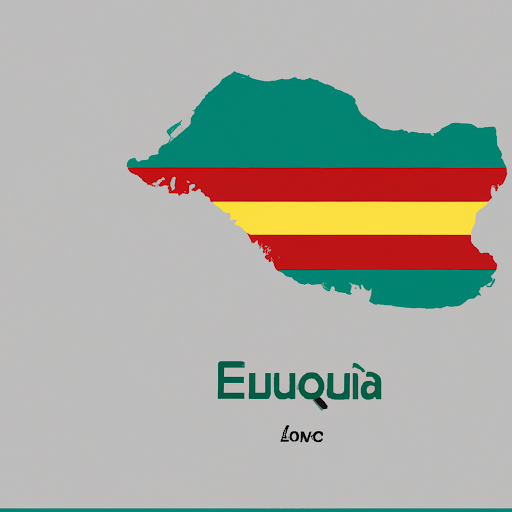
- About Equatorial Guinea
- Cost of Living and Currency in Equatorial Guinea
- Means of communication in Equatorial Guinea
- Equatorial Guinea Languages and Greetings
- Food and Cuisine in Equatorial Guinea
- Equatorial Guinea climate and clothing
- Security and Situation in Equatorial Guinea
- Religion and Culture of Equatorial Guinea
- Transportation in Equatorial Guinea
- Major cities of Equatorial Guinea
About Equatorial Guinea
Equatorial Guinea is a small country located in Central Africa, bordered by Cameroon, Gabon, and the Gulf of Guinea. It is the only African country with Spanish as its official language. The country is divided into two parts, the mainland and the islands. The mainland is known as Rio Muni and the islands are known as the Insular Region.
Equatorial Guinea is a tropical country with a humid climate. The average temperature is around 25°C (77°F). The country experiences two distinct seasons, the dry season from October to May and the wet season from June to September.
The population of Equatorial Guinea is estimated to be around 1.3 million people. The majority of the population is of Bantu origin, with a small minority of Europeans and other ethnic groups. The official language is Spanish, although French and Portuguese are also spoken.
The economy of Equatorial Guinea is largely dependent on oil and gas production. Oil and gas account for more than 90% of the country’s exports. Other important industries include fishing, timber, and agriculture.
The government of Equatorial Guinea is a presidential republic. The president is elected by popular vote and serves a seven-year term. The government is divided into three branches: executive, legislative, and judicial.
The capital of Equatorial Guinea is Malabo, located on the island of Bioko. Other major cities include Bata, Ebebiyin, and Mongomo.
The culture of Equatorial Guinea is a mix of African and European influences. Traditional music and dance are popular, as are sports such as football and basketball. The country is also known for its cuisine, which includes dishes such as grilled fish, plantains, and cassava.
Equatorial Guinea is a beautiful country with a rich culture and history. It is a great destination for those looking to explore the African continent and experience a unique culture.
Cost of Living and Currency in Equatorial Guinea
Equatorial Guinea’s currency is the Central African CFA franc (XAF), which is also used by several other countries in Central Africa. The XAF is pegged to the euro at a fixed exchange rate, and its value is determined by the European Central Bank.
In terms of the cost of living, Equatorial Guinea is considered to be one of the most expensive countries in Africa. The high cost of living is largely due to the country’s reliance on imports, as well as its booming oil industry, which has led to significant income inequality. Basic necessities such as food and housing are relatively expensive compared to other countries in the region.
According to Numbeo, a website that tracks the cost of living in different countries, the cost of living in Equatorial Guinea is approximately 70% higher than in the United States. Prices for goods and services can vary widely depending on location, with the capital city of Malabo generally being more expensive than other areas of the country.
Overall, the high cost of living in Equatorial Guinea can be a challenge for both locals and expats, and it is important to carefully budget and plan for expenses if you are considering living or working in the country.
Means of communication in Equatorial Guinea
It can be difficult to find SIM card and wifi router rental services in Equatorial Guinea, as the country’s telecommunications infrastructure is still developing. However, there are a few options available for travelers.
One vendor that offers SIM card and wifi router rental services in Equatorial Guinea is Orange, which is the largest telecommunications provider in the country. Orange has several retail locations throughout the country, including in the capital city of Malabo and the largest city, Bata.
Orange offers prepaid SIM cards for both calls and data, which can be purchased at their retail locations. They also offer mobile wifi routers for rent, which can provide internet access for multiple devices. However, it is important to note that the quality of internet service in Equatorial Guinea can be unpredictable, and connectivity issues may be common.
Another option for travelers is to purchase a SIM card from a local vendor, such as a street vendor or small shop. However, it is important to exercise caution when purchasing SIM cards from these vendors, as the quality and authenticity of the cards may vary.
Overall, it is recommended that travelers research their options carefully and plan accordingly for their internet and communication needs while in Equatorial Guinea.
Equatorial Guinea Languages and Greetings
The official languages of Equatorial Guinea are Spanish, French, and Portuguese, due to the country’s colonial history. However, the most widely spoken indigenous languages in the country are Fang, Bube, and Combe. Here are some simple greetings in Fang:
- “Mebua” – Hello (pronounced meh-BOO-ah)
- “Ebololo” – Goodbye (pronounced eh-boh-LOH-loh)
- “Mena ngui” – How are you? (pronounced MEH-nah n-gwee)
- “Ngui a meyi” – I’m fine, thank you (pronounced n-gwee ah MEH-yee)
- “Mese” – Yes (pronounced MEH-seh)
- “Tondo” – No (pronounced TOHN-doh)
Note that pronunciation can vary depending on the speaker and dialect, but these should give you a general idea of how to greet someone in Fang.
Food and Cuisine in Equatorial Guinea
Equatorial Guinea’s food culture is influenced by its African, Spanish, and Portuguese roots. The country’s cuisine is characterized by the use of local ingredients such as plantains, cassava, yams, and seafood.
Here are some recommended foods and drinks to try in Equatorial Guinea:
- Sopa de Pescado – This is a traditional fish soup that is often made with fresh seafood, onions, garlic, and other spices. It is typically served with rice or bread.
- Ndolé – This is a stew made with peanuts, chicken or beef, and bitter leaves. It is a popular dish in many West African countries, including Equatorial Guinea.
- Plantains – Plantains are a staple food in Equatorial Guinea and are often served fried or mashed. They can be eaten on their own or as a side dish.
- Malamba – This is a traditional drink made from fermented sugar cane. It has a sweet and tangy taste and is often served at social gatherings.
- Pito – Pito is a type of beer that is brewed from millet or sorghum. It is a popular drink in many West African countries, including Equatorial Guinea.
- Coffee – Equatorial Guinea produces a small amount of coffee, but it is known for its high quality. It is often served with milk or sugar and is a popular drink throughout the country.
Overall, Equatorial Guinea’s food culture is diverse and flavorful, with many delicious dishes to try. If you are visiting the country, be sure to sample some of the local cuisine and drinks to get a taste of the country’s rich culinary traditions.
Equatorial Guinea climate and clothing
Equatorial Guinea has a tropical climate, with temperatures that are typically warm and humid year-round. The country experiences two main seasons: a dry season from December to February and a rainy season from March to November.
During the rainy season, temperatures are generally cooler, with highs in the mid to upper 80s Fahrenheit (around 30°C) and lows in the mid 70s Fahrenheit (around 24°C). The dry season is slightly warmer, with highs in the low to mid 90s Fahrenheit (around 33-35°C) and lows in the mid to upper 70s Fahrenheit (around 25°C).
When visiting Equatorial Guinea, it is important to wear light, breathable clothing that can help you stay cool in the hot and humid conditions. Loose-fitting clothing made from natural fibers such as cotton or linen is a good option. It is also a good idea to bring a light rain jacket or umbrella during the rainy season, as heavy rainfall can occur.
In addition to clothing, it is important to protect yourself from the sun and insects when spending time outdoors. Be sure to wear sunscreen, a hat, and sunglasses to protect your skin and eyes from the sun’s harmful rays. Mosquito repellent and long-sleeved clothing can help protect against mosquito bites and the diseases they can transmit.
Overall, the key to dressing for the weather in Equatorial Guinea is to prioritize comfort and protection from the elements, while keeping in mind the country’s warm and humid conditions.
Security and Situation in Equatorial Guinea
Equatorial Guinea has experienced periods of political instability and human rights violations in the past, but in recent years the security situation has improved significantly. The government has taken steps to modernize the country’s infrastructure and economy, and the country is becoming more open to foreign investment and tourism.
However, as with any country, travelers should still exercise caution and take steps to ensure their safety. Petty crime, such as pickpocketing and theft, can occur in urban areas, especially in crowded tourist areas. Travelers should also be cautious when using public transportation, particularly at night, and should use only licensed taxis.
In addition, the government of Equatorial Guinea maintains a strong security presence, and travelers should be aware of the possibility of police checkpoints and roadblocks. It is important to comply with any requests from security officials and to carry appropriate identification and travel documents at all times.
Finally, travelers should stay up-to-date on the latest travel advisories and should follow the guidance of their home country’s embassy or consulate in Equatorial Guinea. By taking appropriate precautions and staying informed about the security situation, travelers can enjoy a safe and rewarding visit to Equatorial Guinea.
Religion and Culture of Equatorial Guinea
Equatorial Guinea’s population is predominantly Roman Catholic, with a significant minority of Protestants and followers of traditional African religions. Islam is also practiced by a small number of people in the country.The country’s culture is influenced by its African, Spanish, and Portuguese roots. Traditional music and dance are an important part of the country’s cultural heritage, and many festivals and celebrations are held throughout the year to mark important occasions such as harvests, births, and weddings.The country is also known for its unique art and craft traditions, which include intricate carvings, basketry, and weaving. Equatorial Guinea is home to several museums and cultural centers that showcase the country’s rich artistic and cultural heritage.In terms of cuisine, Equatorial Guinea’s food culture is diverse and flavorful, with many delicious dishes that incorporate local ingredients such as plantains, cassava, and seafood. The country is also known for its traditional drinks, including Malamba, a sweet and tangy drink made from fermented sugar cane.Overall, Equatorial Guinea’s religion and culture are diverse and multifaceted, reflecting the country’s unique blend of African and European influences. Whether through music, dance, art, or cuisine, visitors to Equatorial Guinea can immerse themselves in the country’s rich cultural heritage and experience its unique traditions and customs firsthand.
Transportation in Equatorial Guinea
In Equatorial Guinea, the most common modes of transportation are buses, taxis, and private cars. However, the quality and availability of transportation options can vary depending on the region and the type of travel involved.
Public buses operate in the major cities and towns, and they are generally affordable and reliable. However, they can be crowded and uncomfortable, and they may not always adhere to a set schedule.
Taxis are another common form of transportation, and they can be found in most urban areas. Taxis in Equatorial Guinea are generally unmetered, so it is important to negotiate a fare with the driver before beginning your trip.
For longer trips or travel to more remote areas, private cars or SUVs are often the best option. Car rental agencies are available in the major cities, but it is important to ensure that the rental car is in good condition and that the driver is properly licensed and insured.
Finally, air travel is also an option for travel between major cities and towns, with several domestic airlines operating in the country. However, flights can be expensive, and the quality and reliability of air travel can also vary.
Overall, visitors to Equatorial Guinea should be prepared to adapt to the available transportation options and to take appropriate precautions to ensure their safety and comfort while traveling.
Major cities of Equatorial Guinea
The three major cities in Equatorial Guinea are Malabo, Bata, and Ebebiyin.
- Malabo: Malabo is the capital city of Equatorial Guinea and is located on the northern coast of Bioko Island. The city has a population of approximately 200,000 people and is known for its colonial architecture, including the Presidential Palace and the Malabo Cathedral. The city is also home to several museums and cultural centers, including the National Museum of Equatorial Guinea and the Equatorial Guinea Cultural Center. Malabo is a hub for international travel, with an international airport and a seaport that connects the city to other destinations in Africa and around the world.
- Bata: Bata is the largest city in Equatorial Guinea and is located on the mainland, across the Gulf of Guinea from Malabo. The city has a population of approximately 250,000 people and is an important commercial and industrial center, with a busy port that handles much of the country’s imports and exports. Bata is also known for its lively nightlife scene, with a variety of bars, restaurants, and nightclubs. The city is home to several parks and green spaces, including the Bata Botanical Garden and the Bata Mangrove Park.
- Ebebiyin: Ebebiyin is a city located in the northeastern part of Equatorial Guinea, near the border with Cameroon. The city has a population of approximately 45,000 people and is known for its scenic location, surrounded by mountains and forests. Ebebiyin is an important hub for trade with neighboring countries, with a market that attracts traders and buyers from across the region. The city is also home to several historic sites, including the Ebebiyin Palace and the Ebebiyin Museum, which showcases the history and culture of the local Bantu peoples.
コメント