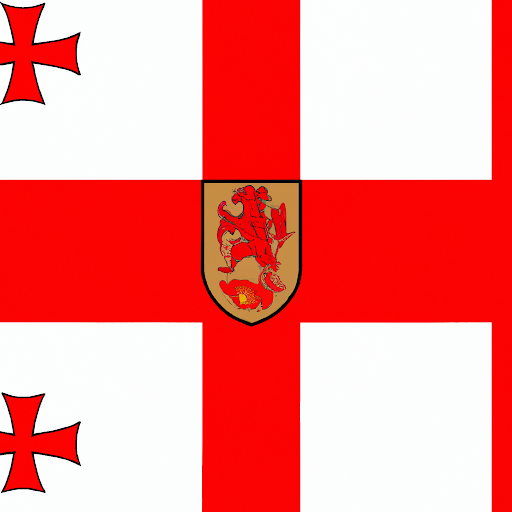
About Georgia
Georgia is a country located in the Caucasus region of Eurasia. It is bordered by Russia to the north, Turkey and Armenia to the south, Azerbaijan to the east, and the Black Sea to the west. Georgia is a small country with a population of just over 4 million people, but it has a rich and vibrant culture that has been shaped by its long and complex history.
The earliest known inhabitants of Georgia were the Kartvelians, who settled in the region around 4000 BC. Over the centuries, the region was invaded and occupied by various empires, including the Romans, Persians, and Ottomans. In the 19th century, Georgia became part of the Russian Empire, and it remained under Russian control until the collapse of the Soviet Union in 1991.
Today, Georgia is an independent nation with a democratic government. The country is divided into nine regions, each with its own unique culture and traditions. The capital city of Tbilisi is home to a diverse population of Georgians, Armenians, Azerbaijanis, and other ethnic groups.
The economy of Georgia is largely based on agriculture, with the main crops being grapes, tea, and citrus fruits. Tourism is also an important industry, with visitors coming to explore the country’s stunning landscapes, ancient monuments, and vibrant cities.
Georgia is a popular destination for outdoor activities such as hiking, mountain biking, and skiing. The country is also home to a number of national parks, including the Borjomi-Kharagauli National Park, which is the largest in the Caucasus region.
The culture of Georgia is a mix of traditional and modern influences. Traditional Georgian music, dance, and cuisine are still popular today, and the country is known for its hospitality and welcoming attitude towards visitors.
Georgia is a fascinating country with a rich history and culture. From its stunning landscapes to its vibrant cities, there is something for everyone in this beautiful country. Whether you’re looking for adventure or relaxation, Georgia has something to offer.
Cost of Living and Currency in Georgia
Georgia’s official currency is the Georgian Lari (GEL), which is divided into 100 tetri. As of March 25, 2023, 1 USD is equivalent to approximately 3.3 GEL.
The cost of living in Georgia can vary depending on the city or region, but it is generally considered to be affordable compared to many Western countries. Here are some estimated costs of common expenses in Tbilisi, the capital city:
- Accommodation: The cost of rent for a one-bedroom apartment in the city center can range from about 1,000 GEL to 2,500 GEL per month, depending on the location and amenities. Outside the city center, the rent can be lower, around 700 GEL to 1,500 GEL per month.
- Food: The cost of groceries in Tbilisi is generally lower than in many Western countries. A loaf of bread can cost around 1 GEL, a liter of milk around 2 GEL, and a kilogram of chicken around 10 GEL.
- Transportation: The cost of public transportation in Tbilisi is relatively low. A single trip on the metro or bus costs 0.5 GEL. Taxis are also affordable, with an average ride within the city center costing around 5-10 GEL.
- Entertainment: The cost of entertainment in Tbilisi can vary widely depending on your preferences. A movie ticket can cost around 15 GEL, while a meal at a mid-range restaurant can cost around 30-40 GEL per person.
Overall, Georgia is known for its relatively low cost of living, making it an attractive destination for budget-conscious travelers and expats.
Means of communication in Georgia
There are several SIM card and WiFi router rental services available for travelers in Georgia. Here are some options and the names of the vendors:
- Beeline: Beeline is one of the largest mobile network operators in Georgia, and they offer various prepaid SIM card options for tourists. You can purchase a SIM card at the airport or any Beeline retail store, and the prices start at around 5 GEL.
- Magti: Magti is another major mobile network operator in Georgia, and they also offer prepaid SIM cards for tourists. You can purchase a SIM card at the airport or any Magti retail store, and the prices start at around 5 GEL.
- MyGeoTrip: MyGeoTrip is a company that provides rental services for WiFi routers and SIM cards in Georgia. They offer both pickup and delivery services, and the prices for a WiFi router start at around 10 USD per day. You can book their services online through their website.
- Gudauri Travel: Gudauri Travel is a tour operator that also provides rental services for WiFi routers and SIM cards in Georgia. They offer pickup and delivery services, and the prices for a WiFi router start at around 7 USD per day. You can book their services online through their website.
- Rent-Wifi.ge: Rent-Wifi.ge is a company that specializes in rental services for WiFi routers in Georgia. They offer pickup and delivery services, and the prices for a WiFi router start at around 5 USD per day. You can book their services online through their website.
Georgia Languages and Greetings
The official language of Georgia is Georgian, which is a Kartvelian language spoken by about 4 million people. Here are some simple greetings in Georgian, along with their pronunciation:
- Hello – გამარჯობა (gamarjoba) – pronounced “gah-mahr-joh-bah”
- Goodbye – ნახვამდის (nakhvamdis) – pronounced “nahkh-vahm-dees”
- Thank you – მადლობა (madloba) – pronounced “mahd-loh-bah”
- Yes – დიახ (diakh) – pronounced “dee-ahkh”
- No – არა (ara) – pronounced “ah-rah”
- Excuse me – თქვენ მადადებით (tkven madadebit) – pronounced “tkven mah-dah-deh-bit”
- Good morning – დილა მშვადებით (dila mshvidobit) – pronounced “dee-lah msh-vee-doh-bit”
- Good afternoon – დღის შუადღით (dghis shuadghit) – pronounced “dghis shoo-ahd-ghit”
- Good evening – საღამოს შესახებ (saghamos shekheb) – pronounced “sah-ghah-mohs sheh-khehb”
- How are you? – როგორ ხარ? (rog-or khar?) – pronounced “roh-gohr khar”
Remember that Georgian is a complex language with unique grammar and pronunciation rules, so it may take some practice to get the pronunciation right.
Food and Cuisine in Georgia
Georgia’s food culture is famous for its rich flavors, hearty dishes, and unique cooking techniques. The country has a long culinary history, with influences from the neighboring regions and empires that once ruled the area. Here are some recommended foods and drinks in Georgia:
- Khachapuri: This is a Georgian cheese bread made with a filling of melted cheese, eggs, and sometimes butter or other ingredients. It’s a staple of Georgian cuisine and can be found in many different shapes and styles throughout the country.
- Khinkali: These are Georgian dumplings filled with meat (usually beef or pork), herbs, and spices. They’re typically served with a sprinkling of black pepper and can be enjoyed as a snack or a main course.
- Mtsvadi: This is Georgian barbecue, made with marinated chunks of meat (usually pork or beef) skewered and grilled over an open flame. It’s often served with grilled vegetables, herbs, and a side of bread.
- Badrijani: This is a popular Georgian appetizer made with slices of eggplant that are fried and then rolled up with a filling of spiced walnut paste. It’s typically garnished with pomegranate seeds and fresh herbs.
- Chakhokhbili: This is a Georgian stew made with chicken, tomatoes, onions, and herbs. It’s often served with a side of bread and is a popular comfort food in Georgia.
- Georgian wine: Georgia has a long tradition of winemaking, with over 5000 years of history. The country produces a variety of unique and flavorful wines, including reds, whites, and orange wines.
- Chacha: This is a Georgian brandy made from the distillation of grape pomace (the leftovers from winemaking). It’s a strong and flavorful drink that’s often enjoyed as an after-dinner digestif.
- Tarragon lemonade: This is a refreshing drink made with tarragon syrup and freshly squeezed lemon juice. It’s a popular summertime drink in Georgia.
These are just a few examples of the many delicious foods and drinks to try in Georgia. Georgian cuisine is diverse and flavorful, so be sure to explore the local markets and restaurants to discover more culinary delights.
Georgia climate and clothing
Georgia has a diverse climate, with varying temperatures and precipitation levels depending on the region and season. Here’s a general overview of the weather in Georgia and what to wear:
- Summer (June-August): The weather is generally warm and sunny, with average temperatures ranging from the mid-20s to mid-30s Celsius (70s to 90s Fahrenheit). It can get quite hot in some areas, especially in the lowlands and cities like Tbilisi. Light and airy clothing like cotton shirts, dresses, shorts, and sandals are recommended. Sunscreen, a hat, and sunglasses are also essential to protect against the strong UV rays.
- Autumn (September-November): The weather starts to cool down in autumn, with average temperatures ranging from the mid-teens to mid-20s Celsius (50s to 70s Fahrenheit). It can be quite rainy, especially in the western regions of the country. Lightweight layers like long-sleeved shirts, sweaters, and a rain jacket are recommended.
- Winter (December-February): The weather is generally cold and snowy in winter, with average temperatures ranging from the low single digits to mid-teens Celsius (20s to 50s Fahrenheit). It can get very cold in the mountainous regions of the country, with temperatures dropping below freezing. Warm clothing like a heavy coat, hat, scarf, gloves, and boots are necessary.
- Spring (March-May): The weather starts to warm up in spring, with average temperatures ranging from the mid-teens to mid-20s Celsius (50s to 70s Fahrenheit). It can be quite rainy and windy, especially in the early months of the season. Lightweight layers like long-sleeved shirts, sweaters, and a rain jacket are recommended.
In general, it’s a good idea to check the weather forecast before traveling to Georgia, as the climate can vary greatly depending on the region and season. It’s also a good idea to pack comfortable walking shoes, as many of Georgia’s streets and sidewalks are uneven.
Security and Situation in Georgia
Georgia is generally considered a safe country for travelers. The crime rate is low, and violent crime is rare. However, as with any destination, it’s important to take basic precautions to ensure your safety:
- Petty crime: Petty crime, such as pickpocketing and theft, can occur in tourist areas and crowded places like markets and public transportation. It’s important to keep your belongings close and be aware of your surroundings.
- Scams: Tourists may encounter scams such as overcharging or shortchanging. Always confirm the price of goods and services before making a purchase, and be wary of offers that seem too good to be true.
- Road safety: Driving can be hazardous in Georgia due to poor road conditions and aggressive driving. It’s recommended to use a reputable taxi service or hire a driver rather than driving yourself.
- Political situation: Georgia has experienced political tensions in the past, but the situation has been stable in recent years. Demonstrations and protests can occur, but they are usually peaceful and located in specific areas.
- Natural hazards: Georgia is prone to natural hazards such as earthquakes, floods, and landslides. It’s important to stay informed about weather conditions and follow the instructions of local authorities in the event of an emergency.
In general, visitors to Georgia should exercise common sense and take basic safety precautions. It’s also recommended to stay informed about current events and follow the advice of local authorities.
Religion and Culture of Georgia
Georgia is a country with a rich and diverse cultural heritage, shaped by its location at the crossroads of Europe and Asia. The majority of Georgians are Eastern Orthodox Christians, and the Georgian Orthodox Church plays a central role in the country’s cultural and social life. Other religions practiced in Georgia include Islam, Judaism, and various denominations of Christianity.
Georgian culture is known for its traditions of hospitality, feasting, and winemaking. Georgian cuisine is famous for its use of fresh ingredients, herbs, and spices, and is characterized by dishes like khinkali (dumplings filled with meat or cheese), khachapuri (cheese-filled bread), and grilled meats and vegetables. Georgian wine is also renowned for its quality, with a history of winemaking that dates back thousands of years.
Georgian traditional music and dance are also an important part of the country’s culture. Georgian polyphonic singing, which involves multiple singers harmonizing together, has been recognized by UNESCO as a world cultural heritage. Traditional dance forms, including the lively and acrobatic dance known as the “kartuli” or “Georgian dance,” are also an important part of Georgian cultural identity.
Overall, Georgia’s culture is characterized by its strong ties to its history and traditions, as well as its openness to new ideas and influences from around the world.
Transportation in Georgia
Georgia has a variety of transportation options available for travelers, including:
- Public Transportation: Public transportation is widely available in major cities like Tbilisi, Batumi, and Kutaisi. Buses, minibuses, and metro trains are the most common forms of public transportation. Tbilisi Metro has two lines, serving most of the city. Buses and minibuses operate on set routes, and tickets can be purchased from the driver or at a kiosk. Public transportation in Georgia is generally affordable, although it can get crowded during peak hours.
- Taxis: Taxis are a convenient option for getting around in Georgia, especially in cities. Taxis can be hailed on the street or booked through ride-hailing apps like Bolt, Yandex Taxi, and Maxim. Taxis in Georgia are generally affordable, and fares are metered.
- Car Rental: Car rental is available in Georgia, and it’s a good option for exploring the countryside or visiting remote destinations. Many car rental companies are available, including international brands like Hertz, Avis, and Sixt, as well as local companies. Driving in Georgia can be challenging, as roads can be narrow and poorly maintained in some areas, and traffic can be chaotic.
- Trains: Trains are available for long-distance travel in Georgia, although the train network is limited compared to other countries. Trains run between major cities like Tbilisi, Kutaisi, Batumi, and Zugdidi. Train tickets can be purchased at train stations or online.
- Air Travel: Domestic air travel is available in Georgia, with flights operated by Georgian Airways and other regional airlines. Domestic flights are generally affordable, but flight schedules can be limited.
Overall, Georgia has a variety of transportation options available, and visitors can choose the most convenient option depending on their needs and budget.
Major cities of Georgia
Here are three major cities in Georgia and an overview of each:
- Tbilisi: Tbilisi is the capital and largest city in Georgia, with a population of around 1.1 million people. It is located in the eastern part of the country, on the banks of the Mtkvari River. Tbilisi is known for its rich history, diverse architecture, and vibrant cultural scene. Visitors to Tbilisi can explore landmarks such as the Narikala Fortress, the Holy Trinity Cathedral, and the Old Town, which features narrow streets and traditional Georgian houses. Tbilisi is also a great destination for foodies, with a wide range of restaurants serving traditional Georgian cuisine.
- Batumi: Batumi is a coastal city located on the Black Sea, in the southwestern part of Georgia. It has a population of around 150,000 people and is a popular destination for both Georgian and international tourists. Batumi is known for its beaches, modern architecture, and lively nightlife. Visitors to Batumi can explore landmarks such as the Batumi Boulevard, the Alphabet Tower, and the Batumi Botanical Garden. The city is also home to a number of museums and art galleries, as well as a vibrant food and wine scene.
- Kutaisi: Kutaisi is the third-largest city in Georgia, with a population of around 150,000 people. It is located in the western part of the country, near the Rioni River. Kutaisi is known for its historic landmarks, including the Bagrati Cathedral and the Gelati Monastery, both of which are UNESCO World Heritage Sites. Visitors to Kutaisi can also explore the city’s lively bazaars, parks, and museums, or take a day trip to nearby attractions such as the Prometheus Cave or the Martvili Canyon. Kutaisi is also a gateway to the region of Imereti, which is known for its scenic countryside, vineyards, and wineries.

コメント