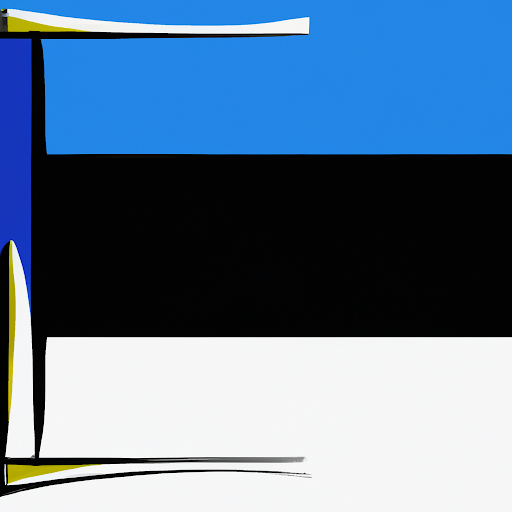
About Estonia
Estonia is a small country located in Northern Europe, bordered by the Baltic Sea, Latvia, and Russia. It is a member of the European Union and the Schengen Area, and is one of the most digitally advanced countries in the world.
Estonia has a long and fascinating history, having been occupied by various foreign powers throughout its existence. It was part of the Soviet Union from 1940 to 1991, and during this time, the country experienced a period of economic stagnation and political repression. After the fall of the Soviet Union, Estonia declared its independence in 1991 and has since become a prosperous and democratic nation.
The capital of Estonia is Tallinn, a beautiful city with a rich cultural heritage. The city is home to a number of historical sites, including the old town, which is a UNESCO World Heritage Site. Tallinn is also a popular tourist destination, with its cobblestone streets, medieval architecture, and vibrant nightlife.
Estonia has a population of 1.3 million people, and the official language is Estonian. The country is divided into 15 counties, and the currency is the Euro. The economy of Estonia is largely based on services, with the largest sectors being information technology, telecommunications, and tourism.
Estonia is a highly educated country, with a literacy rate of 99.8%. Education is free and compulsory for children aged 7 to 16, and the country has a number of universities and colleges.
Estonia is a beautiful country with a lot to offer. It has a rich cultural heritage, a vibrant economy, and a high standard of living. It is a great place to visit, and its people are friendly and welcoming. Whether you’re looking for a relaxing holiday or an exciting adventure, Estonia is the perfect destination.
Cost of Living and Currency in Estonia
Estonia’s official currency is the Euro (EUR). It replaced the Estonian kroon (EEK) in 2011, and since then, Estonia has become one of the 19 countries in the Eurozone.
In terms of the cost of living, Estonia is generally considered to be a relatively affordable country in comparison to many other Western European countries. The cost of living varies depending on the city or town you live in and your lifestyle. Tallinn, the capital of Estonia, is the most expensive city in the country, while other smaller cities and towns tend to be more affordable.
Some typical costs in Estonia are:
- Rent: The cost of rent in Estonia varies depending on the location, type of apartment, and size. In Tallinn, the average cost of a one-bedroom apartment in the city center is around €600-€800 per month. Outside of Tallinn, rent tends to be cheaper.
- Food: Food in Estonia is relatively affordable, with a typical meal in a mid-range restaurant costing around €10-€15. Basic groceries like bread, milk, and eggs are also relatively inexpensive.
- Transportation: Public transportation in Estonia is efficient and affordable. A single ticket on a local bus or tram costs around €1.50, while a monthly pass costs around €23.
Overall, the cost of living in Estonia can be considered reasonable, and it is possible to live comfortably on a modest budget.
Means of communication in Estonia
There are several SIM card and wifi router rental services available for travelers in Estonia. Some of the popular vendors are:
- Smart-ID – Smart-ID offers a range of mobile services in Estonia, including prepaid SIM cards for travelers. Their SIM card options start from €5, and they also offer data packages ranging from 500MB to 30GB.
- Elisa – Elisa is one of the largest mobile network operators in Estonia, and they offer prepaid SIM cards for travelers. Their SIM card options start from €5, and they also offer data packages ranging from 1GB to 20GB.
- EMT – EMT is another major mobile network operator in Estonia, and they offer prepaid SIM cards for travelers. Their SIM card options start from €5, and they also offer data packages ranging from 1GB to 20GB.
- WiFly – WiFly is a vendor that provides portable wifi router rental services for travelers in Estonia. Their rental options start from €5 per day, and they offer unlimited data usage with their routers.
- Travelers Wifi – Travelers Wifi is another vendor that provides portable wifi router rental services for travelers in Estonia. Their rental options start from €6 per day, and they offer unlimited data usage with their routers.
These are just a few examples of the SIM card and wifi router rental services available for travelers in Estonia, and there are many more options available. It is recommended to research and compare prices and packages before selecting a vendor.
Estonia Languages and Greetings
The official language of Estonia is Estonian, which is a Finno-Ugric language closely related to Finnish and distantly related to Hungarian. Here are some simple Estonian greetings and how to pronounce them:
- Tere – Hello (pronounced “teh-reh”)
- Tervist – Hello (formal) (pronounced “tehr-vist”)
- Tere hommikust – Good morning (pronounced “teh-reh hoh-mik-ust”)
- Tere õhtust – Good evening (pronounced “teh-reh uhkhusst”)
- Head ööd – Good night (pronounced “heh-ahd uhwd”)
- Aitäh – Thank you (pronounced “ah-ee-tahh”)
- Nägemist – Goodbye (pronounced “nah-geh-mist”)
Remember that the stress is always on the first syllable of the word in Estonian. Also, the Estonian language has a few unique characters, such as the letter “õ,” which is pronounced like the “u” in “hurt,” and the letter “ä,” which is pronounced like the “a” in “cat.”
Food and Cuisine in Estonia
Estonian cuisine is influenced by its history and geography, with influences from German, Russian, and Scandinavian cuisines. Estonian cuisine is known for its use of simple, fresh ingredients and hearty, comforting dishes. Here are some recommended foods and drinks to try in Estonia:
- Black Bread – Estonian bread is typically made with rye flour, giving it a distinctive dark color and a dense, chewy texture. It is a staple in Estonian cuisine and is often served with butter, cheese, or cold cuts.
- Kama – Kama is a traditional Estonian food made from roasted and ground grains like barley, rye, wheat, and peas. It is often mixed with yogurt or kefir and served as a breakfast or snack food.
- Smoked Fish – Estonia is surrounded by the Baltic Sea, so smoked fish is a common and popular food. Smoked eel, trout, and salmon are some of the most popular options.
- Kali – Kali is a traditional non-alcoholic Estonian beverage made from fermented rye bread. It has a slightly sour taste and is often served cold.
- Mulgipuder – Mulgipuder is a traditional Estonian dish made from potatoes and barley groats. It is often served with bacon or pork, and it is a hearty and filling meal.
- Vana Tallinn – Vana Tallinn is a popular Estonian liqueur made from rum, vanilla, and various spices. It is often served as a digestif or added to coffee.
- Leib ja Viin – Leib ja Viin, which translates to “bread and vodka,” is a traditional Estonian snack that consists of black bread and a shot of vodka.
These are just a few examples of the many delicious foods and drinks to try in Estonia. Estonian cuisine is varied and flavorful, and there is something to suit every palate.
Estonia climate and clothing
Estonia has a temperate maritime climate, with mild summers and cold winters. The weather in Estonia can be unpredictable, and it can change quickly, so it is important to be prepared for a range of weather conditions. Here is some guidance on what to wear in Estonia based on the seasons:
Summer (June – August): In the summer months, temperatures in Estonia typically range from 15-25°C (59-77°F). It can be sunny and warm, but it can also be rainy and cool. It is recommended to bring lightweight, breathable clothing, such as t-shirts, shorts, and dresses. A light jacket or sweater may also be necessary for cooler evenings.
Fall (September – November): In the fall, temperatures in Estonia begin to cool, with average temperatures ranging from 5-15°C (41-59°F). It can be rainy and windy, so it is recommended to bring a waterproof jacket or coat, as well as layers, such as sweaters and long-sleeved shirts.
Winter (December – February): Estonia’s winters are cold, with temperatures often falling below freezing. It is important to bring warm clothing, such as a heavy coat, hat, gloves, and a scarf. Snow is common, so waterproof boots or shoes with good traction are recommended.
Spring (March – May): Spring in Estonia is cool and wet, with temperatures ranging from 0-10°C (32-50°F). It is recommended to bring warm layers, such as a jacket or coat, as well as waterproof shoes or boots.
Overall, it is important to be prepared for a range of weather conditions when visiting Estonia, as the weather can be unpredictable. It is also recommended to check the weather forecast before traveling and to bring appropriate clothing for the season.
Security and Situation
Estonia is generally a safe and secure country to visit. The crime rate in Estonia is relatively low, and violent crime is rare. However, as with any country, visitors should exercise common sense and take precautions to ensure their safety.
Here are some things to keep in mind:
- Petty crime: Petty crime, such as pickpocketing and theft, can occur in tourist areas, especially during peak tourist season. Visitors should take precautions to protect their belongings and avoid carrying large amounts of cash or valuables.
- Traffic: Estonia has a high rate of road accidents, so visitors should exercise caution when driving or crossing the street.
- Cybersecurity: Estonia is a leader in digital technology and has a highly developed digital infrastructure. However, visitors should be aware of the potential risks of cybercrime, including phishing scams and identity theft.
- Protests: Protests and demonstrations can occur in Estonia, particularly in Tallinn, and can sometimes turn violent. Visitors should avoid large crowds and monitor local media for information on potential demonstrations.
Overall, Estonia is a safe and secure country to visit, and visitors should not be overly concerned about their safety. By exercising common sense and taking appropriate precautions, visitors can enjoy a safe and enjoyable trip to Estonia.
Religion and Culture of Estonia
Estonia has a rich cultural heritage that is influenced by its history and geography. The country has been inhabited by various tribes and peoples over the centuries, including Finno-Ugric, Germanic, Slavic, and Scandinavian cultures. Today, Estonia has a diverse cultural landscape that celebrates its past while embracing modern influences.
Religion: Estonia is a predominantly secular country, with no official state religion. The largest religion in Estonia is Christianity, with the majority of Christians belonging to the Estonian Evangelical Lutheran Church. Other religions practiced in Estonia include Orthodox Christianity, Buddhism, and Islam.
Culture: Estonia has a vibrant cultural scene that is celebrated through music, dance, literature, and art. Traditional folk music and dance are an important part of Estonian culture, and many festivals and events are held throughout the year to showcase these traditions. Estonia is also known for its contemporary music scene, particularly its thriving electronic music scene.
Literature is an important part of Estonian culture, and the country has produced many notable writers, including Jaan Kross and Arvo Valton. Estonian art is also diverse, with many contemporary artists gaining international recognition for their work.
In recent years, Estonia has also become known for its digital and technological innovations, particularly in the fields of e-government and cybersecurity.
Overall, Estonia’s culture and identity are shaped by its diverse history and geography, as well as its modern innovations and advancements. Visitors to Estonia can experience this unique blend of tradition and modernity through the country’s rich cultural offerings.
Transportation in Estonia
Estonia has a well-developed transportation system that includes various options for getting around the country. Here are some of the main transportation options available in Estonia:
- Public transport: Estonia has an extensive public transportation network that includes buses, trams, and trolleys. The public transportation system is well-connected and affordable, making it a popular option for getting around Estonia’s cities.
- Taxis: Taxis are readily available in Estonia’s cities and can be hailed on the street or booked in advance. Taxis in Estonia are generally safe and reliable, but visitors should make sure to use licensed taxi services to avoid scams.
- Car rental: Renting a car is a popular option for exploring Estonia’s countryside and smaller towns. There are many car rental companies available in Estonia, and visitors can book cars online or through local rental agencies.
- Bike rental: Estonia is a bike-friendly country, and many cities offer bike rental services. Visitors can rent bikes from local bike shops or through city bike rental programs.
- Ferries: Estonia has several ports along its coastline, and ferry services are available to nearby islands and other countries, such as Finland and Sweden. Ferry services are generally reliable and comfortable, but visitors should check schedules and book tickets in advance during peak travel season.
Overall, Estonia’s transportation system is efficient, affordable, and well-connected, making it easy to get around the country. Visitors should research their transportation options in advance and plan accordingly to make the most of their trip to Estonia.
Major cities of Estonia
Here are three major cities in Estonia and an overview of each:
- Tallinn: Tallinn is the capital and largest city in Estonia, with a population of around 450,000 people. The city is known for its well-preserved medieval Old Town, which is a UNESCO World Heritage site. Tallinn also has a vibrant cultural scene, with many museums, galleries, and theaters, as well as a bustling nightlife. The city is also a hub for technology and innovation, with a growing startup ecosystem and a focus on e-government and digital infrastructure.
- Tartu: Tartu is the second-largest city in Estonia, with a population of around 100,000 people. The city is home to Estonia’s oldest and most prestigious university, the University of Tartu, and is known for its intellectual and cultural atmosphere. Tartu has a well-preserved Old Town, as well as many museums, galleries, and theaters. The city also hosts several festivals throughout the year, including the Tartu Love Film Festival and the Tartu Jazz Festival.
- Pärnu: Pärnu is a popular summer resort town located on Estonia’s southwestern coast, with a population of around 40,000 people. The city is known for its sandy beaches, spas, and parks, and is a popular destination for tourists seeking relaxation and recreation. Pärnu also has a well-preserved Old Town, as well as many restaurants, bars, and shops. The city hosts several festivals throughout the year, including the Pärnu Music Festival and the Pärnu Film Festival.
Overall, these three major cities in Estonia offer a diverse range of experiences and attractions for visitors, from historic architecture to cultural events to seaside relaxation.

コメント