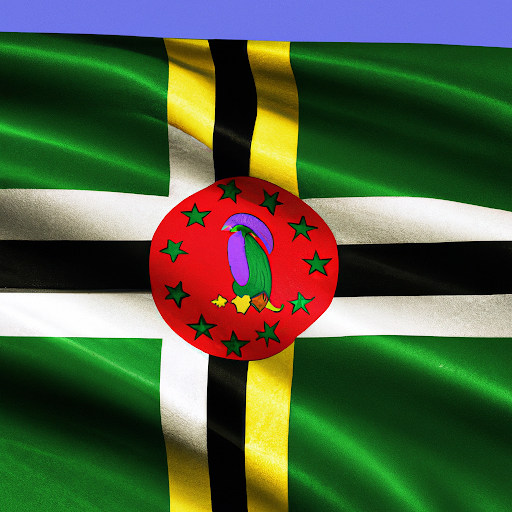
About Dominica
Dominica is an island nation located in the Caribbean Sea, between the French islands of Guadeloupe and Martinique. It is known for its lush rainforest, stunning beaches, and unique culture. The island is home to a diverse population of people, including the indigenous Kalinago people, as well as people of African, European, and Asian descent.
Dominica is a popular tourist destination, with its stunning natural beauty and vibrant culture. The island is home to a number of national parks, including the Morne Trois Pitons National Park, which is a UNESCO World Heritage Site. The park is home to a variety of wildlife, including the endangered Sisserou parrot, which is the national bird of Dominica.
The island is also known for its unique culture, which is a mix of African, European, and Caribbean influences. Music is an important part of the culture, with a variety of genres, including reggae, calypso, and soca. The island is also home to a number of festivals, including the World Creole Music Festival, which celebrates the music and culture of the Caribbean.
Dominica is also known for its cuisine, which is a mix of African, European, and Caribbean influences. Popular dishes include callaloo, a stew made with okra, coconut milk, and spices; and saltfish, a dish made with salted cod. The island is also known for its rum, which is made from sugarcane and is a popular ingredient in many cocktails.
Dominica is a great destination for those looking for a unique Caribbean experience. With its stunning natural beauty, vibrant culture, and delicious cuisine, it is a great place to explore and experience the Caribbean. Whether you’re looking for a relaxing beach vacation or an adventure-filled exploration of the island, Dominica has something for everyone.
Cost of Living and Currency in Dominica
Dominica’s official currency is the Eastern Caribbean dollar (XCD), which is also used in several other Caribbean nations. The Eastern Caribbean dollar is pegged to the United States dollar (USD) at a fixed exchange rate of 1 USD = 2.7 XCD.
In terms of the cost of living in Dominica, it can vary depending on the location and lifestyle. Dominica is generally considered to be an affordable destination compared to many other Caribbean countries. The cost of living is lower in rural areas than in urban centers like Roseau, the capital city.
Some typical costs of living in Dominica are:
- Accommodation: Monthly rent for a one-bedroom apartment in Roseau can range from XCD 900 to XCD 2,500 (USD 333 to USD 926), depending on the location and amenities. Outside of Roseau, rents can be lower.
- Food: The cost of food in Dominica can be relatively inexpensive, especially if you shop at local markets and cook your meals. A meal at a local restaurant can cost between XCD 10 and XCD 30 (USD 3.70 to USD 11.10).
- Transportation: Public transportation is affordable, with a bus ride in Roseau costing around XCD 1.50 (USD 0.56). Taxis are also available but can be more expensive.
- Utilities: The cost of utilities, including electricity, water, and internet, can vary based on usage and location. On average, monthly utility bills can range from XCD 250 to XCD 500 (USD 92.60 to USD 185.20).
Overall, Dominica can be an affordable destination to live in, but the cost of living can vary depending on individual lifestyle choices and location.
Means of communication in Dominica
There are several SIM card and wifi router rental services available for travelers in Dominica, including:
- Digicel – Digicel is a telecommunications provider that offers prepaid SIM cards and data plans for travelers. They have several locations throughout Dominica, including at the airport and in Roseau.
- Flow – Flow is another telecommunications provider that offers prepaid SIM cards and data plans for travelers. They have several locations throughout Dominica, including at the airport and in Roseau.
- Wireless Ventures – Wireless Ventures is a local company that offers SIM card and wifi router rentals for travelers. They have several options available, including SIM cards with data plans and portable wifi routers.
- Sunny Tours – Sunny Tours is a tour operator in Dominica that also offers SIM card and wifi router rentals for travelers. They have several options available, including SIM cards with data plans and portable wifi routers.
- Discover Dominica Authority – Discover Dominica Authority is the official tourism board for Dominica and offers information on various services for travelers, including SIM card and wifi router rentals.
It’s important to note that availability and pricing may vary depending on the vendor and the time of year. It’s a good idea to compare options and prices before making a decision on which service to use.
Dominica Languages and Greetings
The official language of Dominica is English, which is widely spoken and understood throughout the country. However, there are also several other languages and dialects spoken on the island, including Creole.
Here are some simple greetings in English and Creole that you might hear or use in Dominica:
- Good morning – pronounced as “good mawnin”
- Good afternoon – pronounced as “good afftanoon”
- Good evening – pronounced as “good evnin”
- Hello – pronounced as “hi” or “hello”
- How are you? – pronounced as “How yuh doin?” in Creole or “How are you?” in English
- I’m good, thank you – pronounced as “I good, tank yuh” in Creole or “I’m good, thank you” in English
- What is your name? – pronounced as “Wa yuh name?” in Creole or “What is your name?” in English
- My name is… – pronounced as “My name is…” in English or “Mi name…” in Creole
- Nice to meet you – pronounced as “Nice fi meet yuh” in Creole or “Nice to meet you” in English
- Goodbye – pronounced as “bye” or “goodbye”
It’s important to note that pronunciation may vary slightly depending on the speaker and the particular dialect of Creole being used.
Food and Cuisine in Dominica
Dominica’s food culture is influenced by African, European, and Caribbean cuisines. The island’s fertile volcanic soil and abundant rainfall make it ideal for growing a wide variety of fruits and vegetables, and seafood is also an important part of the local diet.
Here are some recommended foods and drinks to try in Dominica:
- Callaloo soup – a soup made with leafy greens like taro or dasheen leaves, onions, coconut milk, and sometimes seafood.
- Creole fish – a fish dish seasoned with a mixture of herbs and spices, including thyme, garlic, and onion.
- Bakes – a type of fried bread made with flour, salt, and water. Bakes can be eaten plain or filled with fish or meat.
- Roti – a type of flatbread filled with curried chicken, goat, or vegetables.
- Accras – fritters made with salt cod, flour, and spices.
- Cassava bread – a dense, chewy bread made from grated cassava.
- Fresh fruit – Dominica is known for its wide variety of fresh fruit, including mangoes, papayas, guavas, and passionfruit.
- Local rum – Dominica is home to several rum distilleries, and local rum is a popular drink on the island.
- Kubuli – a locally brewed beer named after Dominica’s highest peak, Morne Diablotins. It has a crisp, refreshing taste.
- Sorrel drink – a refreshing drink made from hibiscus flowers, ginger, and other spices.
It’s also worth noting that Dominica has a number of food festivals throughout the year, including the World Creole Music Festival and the Creole in the Park festival, where you can sample a wide variety of local dishes and drinks.
Dominica climate and clothing
Dominica has a tropical climate, with warm temperatures and high humidity throughout the year. The island experiences two seasons: a dry season from December to May and a wet season from June to November. During the wet season, Dominica can experience heavy rainfall and occasional tropical storms or hurricanes.
Here are some tips on what to wear in Dominica:
- Lightweight, breathable clothing – due to the warm and humid climate, it’s best to wear lightweight and breathable clothing, such as cotton or linen.
- Rain gear – if you’re visiting during the wet season, it’s a good idea to bring a waterproof jacket or poncho, as well as waterproof shoes or sandals.
- Sun protection – the sun can be strong in Dominica, so be sure to bring sunscreen, a hat, and sunglasses.
- Comfortable shoes – if you plan on hiking or exploring the island’s natural attractions, be sure to bring comfortable walking shoes or hiking boots.
- Swimsuit – Dominica has some beautiful beaches and natural pools, so be sure to bring a swimsuit if you plan on swimming or lounging on the beach.
Overall, the key is to dress comfortably and prepare for the weather conditions. It’s also a good idea to check the weather forecast before your trip and pack accordingly.
Security and Situation in Dominica
Dominica is generally considered a safe destination for tourists, with a relatively low crime rate compared to other Caribbean countries. However, like any destination, it’s important to exercise caution and take basic safety precautions to avoid becoming a victim of crime.
Here are some tips for staying safe in Dominica:
- Be aware of your surroundings – pay attention to your surroundings, especially when walking in unfamiliar areas or at night.
- Avoid carrying large amounts of cash or valuables – keep your valuables in a secure location, such as a hotel safe, and only carry what you need when you’re out and about.
- Use reputable taxi services – be sure to use a licensed taxi service rather than hailing a random vehicle on the street.
- Be cautious of street vendors – while most street vendors are legitimate, it’s always a good idea to be cautious and avoid any situation that seems suspicious.
- Respect local customs and laws – be aware of local customs and laws and show respect for the local culture.
- Stay up-to-date on current events – keep informed about any potential security risks or civil unrest by monitoring news sources and local authorities.
It’s also worth noting that Dominica is susceptible to natural disasters, such as hurricanes and tropical storms. If you’re visiting during hurricane season (June to November), be sure to monitor weather forecasts and follow any evacuation orders issued by local authorities.
Overall, as long as you exercise common sense and take basic safety precautions, your visit to Dominica should be a safe and enjoyable experience.
Religion and Culture of Dominica
Dominica is a culturally diverse country with a mix of African, European, and Indigenous Caribbean influences. The official language is English, but many residents also speak Creole.
Religion plays an important role in Dominica’s culture, with Christianity being the predominant religion. The largest denomination is Roman Catholicism, followed by Protestantism, including Anglicanism, Seventh-day Adventism, and Pentecostalism. Other religions practiced on the island include Rastafarianism and Judaism.
Dominican culture is rich and varied, with a focus on music, dance, and storytelling. The island has a vibrant music scene, with traditional and modern genres including soca, calypso, zouk, and reggae. The annual World Creole Music Festival is a popular event that celebrates the diversity of Caribbean music.
Dominica is also known for its vibrant Carnival celebrations, which take place in February and feature colorful costumes, music, and dancing. Other cultural festivals include the Dominica Festivals of Arts and the Dive Fest.
The island’s cuisine is also an important part of its culture, with a mix of African, European, and Caribbean influences. Local specialties include seafood dishes, such as Creole fish and seafood callaloo soup, as well as plantains, cassava bread, and fresh tropical fruits.
Overall, Dominica’s culture is a blend of traditions and influences from various sources, making it a unique and fascinating destination to visit.
Transportation in Dominica
Transportation options in Dominica are limited compared to other Caribbean islands, but there are still several ways to get around:
- Taxis: Taxis are readily available throughout Dominica, and fares are generally reasonable. Taxis in Dominica do not have meters, so it’s important to negotiate the fare before getting in.
- Buses: Public buses operate on fixed routes throughout the island, and fares are inexpensive. Buses are generally crowded and not very comfortable, but they’re a good option for budget travelers.
- Car rentals: Renting a car is a popular option for visitors who want to explore the island at their own pace. Rental cars are available at the airport and in major towns.
- Scooter and bicycle rentals: Scooters and bicycles are available for rent in some areas, and they can be a fun and eco-friendly way to explore the island.
- Water taxis: Water taxis operate between some of Dominica’s coastal towns, and they can be a convenient way to get around if you’re traveling along the coast.
- Guided tours: Many visitors choose to explore Dominica on guided tours, which can be arranged through local tour operators. Guided tours can be a good option for those who want to see the island’s natural attractions without worrying about transportation.
It’s worth noting that the roads in Dominica can be narrow and winding, so it’s important to drive with caution and follow local traffic laws. Additionally, some of the island’s natural attractions may be inaccessible by car, so be sure to research your route and plan accordingly.
Major cities of Dominica
Dominica is a relatively small island nation in the Caribbean, with a population of around 72,000 people. There are no cities in Dominica in the traditional sense, but there are several major towns and villages that serve as important centers of commerce, culture, and tourism. Here are three of the largest:
- Roseau: Roseau is the capital and largest town in Dominica, with a population of around 16,000 people. It is located on the southwest coast of the island and serves as the center of government, business, and tourism. Roseau is home to many historic buildings, including the Old Market, the Dominica Museum, and the St. George’s Anglican Church. Visitors to Roseau can also enjoy shopping at the colorful Roseau Market, which sells local crafts, produce, and spices.
- Portsmouth: Portsmouth is the second-largest town in Dominica, with a population of around 3,600 people. It is located on the northwest coast of the island and serves as a popular base for visitors who want to explore the island’s natural attractions. Portsmouth is home to several historic sites, including Fort Shirley and the Indian River, which was featured in the movie “Pirates of the Caribbean.” Visitors to Portsmouth can also take boat tours to nearby islands and enjoy swimming, snorkeling, and diving in the surrounding waters.
- Marigot: Marigot is a small village on the northeast coast of Dominica, with a population of around 2,000 people. It is known for its beautiful beaches and coral reefs, and it serves as a popular destination for visitors who want to relax and enjoy the natural beauty of the island. Marigot is also home to several historic sites, including the Kalinago Barana Autê, a replica of a traditional Kalinago village that showcases the island’s indigenous culture.
Overall, Dominica’s towns and villages offer a mix of historic sites, natural attractions, and cultural experiences, making them fascinating destinations to explore.
コメント