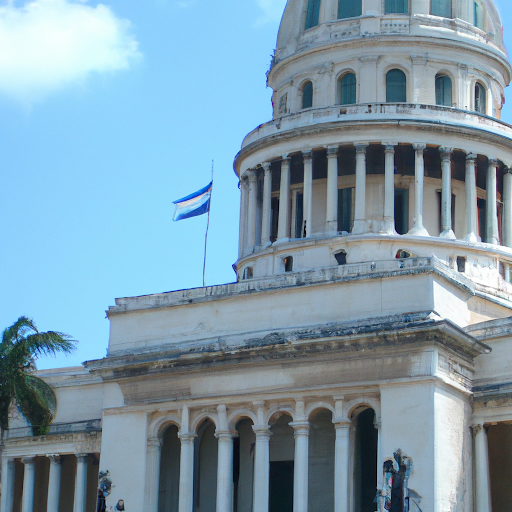
About Cuba
Cuba is a Caribbean island nation located just south of the United States. It is known for its vibrant culture, stunning beaches, and unique history. Cuba has been a popular tourist destination for decades, and its popularity continues to grow.
Cuba is the largest island in the Caribbean, and it is home to a variety of landscapes. From the lush green hills of the Sierra Maestra mountain range to the white sand beaches of Varadero, there is something for everyone. The capital city of Havana is a bustling metropolis with a rich history and culture.
Cuba is a socialist country, and its economy is largely based on tourism. The Cuban government has invested heavily in the tourism industry, and it is now one of the most popular destinations in the Caribbean. Visitors can explore the colonial architecture of Old Havana, take a stroll along the Malecon, or visit the many museums and galleries.
Cuba is also known for its vibrant music and dance scene. The country is home to a variety of musical styles, from traditional Cuban son to modern salsa. Visitors can experience the music and dance of Cuba in clubs, bars, and live performances.
Cuba is also home to a variety of unique wildlife. The country is home to over 200 species of birds, and its coral reefs are home to a variety of marine life. Visitors can explore the country’s national parks and nature reserves, or take a boat trip to the nearby Isla de la Juventud.
Cuba is a fascinating country with a unique culture and history. From its stunning beaches to its vibrant music and dance scene, there is something for everyone in Cuba. Whether you’re looking for a relaxing beach vacation or an adventure-filled exploration of the country’s culture and history, Cuba is the perfect destination.
Cost of Living and Currency in Cuba
Cuba has two official currencies: the Cuban peso (CUP) and the Cuban convertible peso (CUC). The CUP is the national currency, while the CUC is a currency that was created in the 1990s for use in the tourism industry and by foreigners. In 2021, the government announced a plan to unify the two currencies into one.
The cost of living in Cuba can vary widely depending on factors such as where you live, what you buy, and whether you are a tourist or a local. Generally, prices for goods and services are lower than in many other countries, but salaries are also lower. As a result, the cost of living in Cuba can be relatively low for locals, but can be relatively high for tourists.
Some common costs in Cuba include:
- Food: Prices for basic food items are generally low in Cuba, although prices for imported or luxury items can be higher. For example, a meal at a local restaurant can cost as little as $5 USD, while a meal at a more upscale restaurant can cost $20 USD or more.
- Housing: The cost of housing in Cuba varies widely depending on the location and the type of housing. In Havana, for example, a modest apartment can cost around $300 USD per month, while a more upscale apartment can cost $1,000 USD or more.
- Transportation: Public transportation in Cuba is generally affordable, with a one-way bus ride costing around 20 CUP (less than $1 USD). Taxis are also available, but are more expensive.
- Healthcare: Healthcare is free for all Cuban citizens, but foreigners may need to pay for medical services. Prices for medical care can be relatively low compared to other countries.
Overall, while the cost of living in Cuba can be relatively low, it’s important to keep in mind that salaries and incomes are also generally low in the country. Additionally, as a tourist, you may encounter higher prices for some goods and services compared to locals.
Means of communication in Cuba
In Cuba, there are several SIM card and wifi router rental services available for travelers. Here are some options:
- ETECSA: This is the state-owned telecommunications company in Cuba and offers both SIM card and wifi router rentals for travelers. You can purchase a SIM card at one of their offices, and they offer various data plans depending on your needs. For wifi, you can rent a router for a daily or weekly fee.
- CubaSIM: This is a popular option for travelers in Cuba, and they offer both SIM card and wifi router rentals. You can purchase a SIM card online before your trip, and they offer various data plans depending on your needs. For wifi, you can rent a router for a daily or weekly fee.
- CubaMóvil: This is another option for travelers in Cuba, and they offer both SIM card and wifi router rentals. You can purchase a SIM card online before your trip, and they offer various data plans depending on your needs. For wifi, you can rent a router for a daily or weekly fee.
- Hola Cuba: This is a travel agency in Cuba that offers various travel services, including SIM card and wifi router rentals. You can purchase a SIM card online before your trip, and they offer various data plans depending on your needs. For wifi, you can rent a router for a daily or weekly fee.
It’s important to note that internet access in Cuba can be limited and slow, so it’s a good idea to plan accordingly and have a backup plan in case you can’t access the internet. Additionally, some websites and services may be blocked or restricted in Cuba, so it’s a good idea to research this before your trip.
Cuba Languages and Greetings
The official language of Cuba is Spanish. Here are some simple greetings in Spanish that you can use while in Cuba:
- Hello – Hola (oh-la)
- Good morning – Buenos días (bway-nos dee-as)
- Good afternoon/evening – Buenas tardes (bway-nas tar-des)
- Good night – Buenas noches (bway-nas no-ches)
- How are you? – ¿Cómo estás? (koh-moh es-tas?)
- I’m fine, thank you – Estoy bien, gracias (es-toy bee-en, grah-see-as)
- What is your name? – ¿Cómo te llamas? (koh-moh te yah-mas?)
- My name is ______ – Me llamo ______ (may yah-moh ______)
- Nice to meet you – Mucho gusto (moo-choh goos-toh)
- Goodbye – Adiós (ah-dee-ohs)
It’s important to note that in Cuba, as in many Spanish-speaking countries, people tend to greet each other with a kiss on the cheek, even if they are meeting for the first time. This is a sign of friendship and warmth, and is not meant to be romantic. Additionally, it’s common to use “usted” (formal “you”) when addressing someone who you don’t know well or who is older than you.
Food and Cuisine in Cuba
Cuba’s food culture is a fusion of Spanish, African, and Caribbean influences, resulting in a unique and flavorful cuisine. The food in Cuba is known for its simplicity, use of local ingredients, and bold spices.
Some of the most popular foods in Cuba include:
- Ropa Vieja: This is a classic Cuban dish made with shredded beef, peppers, onions, and tomato sauce. It’s typically served with rice and beans.
- Moros y Cristianos: This dish consists of black beans and rice cooked together, often with pork or other meats.
- Lechón Asado: This is a roasted pork dish that is typically served during celebrations and special occasions. The pork is marinated in a mixture of garlic, cumin, and sour orange juice, and then roasted until crispy.
- Tostones: These are fried plantains that are often served as a side dish. They’re crispy on the outside and soft on the inside, and are typically served with a garlic sauce.
- Yuca con Mojo: Yuca is a starchy root vegetable that is boiled and then served with a garlic and citrus sauce.
In terms of drinks, Cuba is famous for its rum and its cocktails. Some popular drinks in Cuba include:
- Mojito: This is a classic Cuban cocktail made with rum, sugar, lime juice, soda water, and mint leaves.
- Cuba Libre: This is a cocktail made with rum, cola, and lime juice. It’s often served with a wedge of lime and is a popular drink in Cuba.
- Daiquiri: This is a cocktail made with rum, lime juice, and sugar. It’s typically served blended with ice and is a refreshing drink on a hot day.
- Guarapo: This is a sweet, fresh sugarcane juice that is often sold by street vendors in Cuba.
- Cafe Cubano: This is a strong, sweet espresso that is a staple of Cuban culture.
Overall, Cuban cuisine is flavorful and diverse, and there are many delicious foods and drinks to try while in Cuba.
Cuba climate and clothing
Cuba has a tropical climate with warm temperatures year-round. The weather in Cuba can vary depending on the season and the region of the country you are in.
The dry season in Cuba runs from November to April, and this is generally considered the best time to visit the country. During this time, the weather is warm and sunny, with low humidity and little rainfall. Average temperatures during the dry season are around 25-27°C (77-81°F).
The rainy season in Cuba runs from May to October, and this is also the hottest time of year. During the rainy season, temperatures can reach 30°C (86°F) or higher, and humidity levels can be high. The rain usually comes in short, heavy bursts, and is often followed by sunshine.
When packing for a trip to Cuba, it’s important to consider the climate and the activities you’ll be doing. Here are some tips on what to wear in Cuba:
- Light and breathable clothing: Cuba is hot and humid, so it’s best to wear lightweight and breathable clothing made from natural fibers like cotton or linen. Shorts, t-shirts, and sundresses are all appropriate.
- Sun protection: The sun in Cuba can be strong, so it’s important to wear sunscreen, a hat, and sunglasses to protect yourself from the sun’s rays.
- Comfortable shoes: If you plan on doing a lot of walking or exploring, it’s important to wear comfortable shoes that can handle uneven sidewalks and cobbled streets.
- Dressier clothes: If you plan on going out to restaurants or bars, it’s a good idea to bring some dressier clothes like a nice shirt or dress.
- Rain gear: If you’re visiting during the rainy season, it’s a good idea to pack a light rain jacket or umbrella to protect yourself from the rain.
Overall, when visiting Cuba, it’s best to pack light, breathable clothing that can handle the tropical climate. Don’t forget to also pack sunscreen, a hat, and comfortable shoes to ensure a comfortable and enjoyable trip.
Security and Situation in Cuba
Cuba is generally considered a safe country for tourists, with low levels of violent crime. However, it is important for visitors to be aware of the local situation and take necessary precautions to ensure their safety.
One thing to be aware of in Cuba is the risk of pickpocketing and petty theft, especially in tourist areas. Visitors should be mindful of their belongings, avoid carrying large sums of cash, and keep valuables such as passports and cameras in a secure location.
The Cuban government has a strong presence throughout the country, and visitors should be aware of the laws and regulations governing their stay. It is illegal to engage in political activity or to speak out against the government, and visitors should avoid doing so to avoid potential legal issues.
In terms of natural disasters, Cuba is susceptible to hurricanes and tropical storms, especially during the rainy season from May to October. Visitors should monitor local weather reports and follow the advice of local authorities in the event of severe weather.
Overall, while Cuba is considered a safe country for tourists, it is important to be aware of the local situation and take necessary precautions to ensure a safe and enjoyable trip. It is always a good idea to research the local laws and customs before traveling, and to stay alert and aware of your surroundings while in the country.
Religion and Culture of Cuba
Cuba’s culture is a unique blend of African, European, and indigenous influences, with a rich history that has been shaped by colonialism, slavery, revolution, and a strong sense of national identity.
Religion plays an important role in Cuban culture, with Catholicism being the predominant religion, brought over by Spanish colonialism in the 16th century. However, Afro-Cuban religions, such as Santería and Palo, also have a significant presence in the country, reflecting the influence of African cultures brought over by slaves.
Cuba’s culture is also known for its music, dance, and art. Music plays a central role in Cuban life, with traditional genres such as salsa, son, and rumba, as well as more modern styles like reggaeton and timba, being popular throughout the country. Dance is also an important part of Cuban culture, with salsa, mambo, and cha-cha-cha being popular styles.
Cuban cuisine is another important aspect of the country’s culture, with a mix of Spanish, African, and Caribbean influences. Some popular dishes include ropa vieja (shredded beef), arroz con pollo (chicken and rice), and lechón (roast pork).
Cuba’s culture has also been shaped by its political history, with the 1959 Cuban Revolution leading to the establishment of a socialist state and the adoption of Marxist-Leninist ideology. The country’s political system and social policies have had a significant impact on the culture and way of life in Cuba.
Overall, Cuba’s culture is a vibrant and diverse mix of influences, shaped by its history and unique identity as a Caribbean nation with a strong sense of national pride.
Transportation in Cuba
There are several transportation options available for travelers in Cuba, including:
- Taxis: Taxis are a popular way to get around in Cuba, with both private and government-owned taxis available. Private taxis, known as “taxi particulares,” are usually older, classic American cars that have been converted into taxis. Government-owned taxis are newer, more modern cars.
- Buses: The Viazul bus service is the most popular way to travel between major cities in Cuba. The buses are air-conditioned and comfortable, and they offer a reliable and affordable way to get around.
- Colectivos: Colectivos are shared taxis that operate along specific routes, picking up passengers along the way. They are a cheaper alternative to private taxis and are a good option for shorter trips.
- Bicitaxis: Bicitaxis are bicycle taxis that operate in many cities in Cuba. They are a cheap and fun way to get around, especially in areas with heavy traffic.
- Trains: While train travel in Cuba is not as popular as it once was, there are still several train routes that operate throughout the country. The trains are generally slower and less comfortable than buses, but they offer a unique and scenic way to see the country.
It’s worth noting that transportation infrastructure in Cuba is not as developed as in some other countries, and delays and cancellations are not uncommon. It’s important to plan ahead and allow plenty of time when traveling, especially if you have a tight schedule. Additionally, many roads in Cuba are in poor condition, so driving can be challenging for visitors who are not used to the local conditions.
Major cities of Cuba
- Havana: Havana, also known as La Habana, is the capital city of Cuba and its largest city. It is located on the northwest coast of the island and has a population of over two million people. Havana is known for its beautiful colonial architecture, vibrant nightlife, and rich cultural history. Some of the top attractions in Havana include the Malecon, a five-mile-long seawall that runs along the city’s coast, the historic Old Havana district, and the Plaza de la Revolución, a large public square that has played an important role in Cuban history.
- Santiago de Cuba: Santiago de Cuba is the second-largest city in Cuba, located on the eastern end of the island. It has a population of around 500,000 people and is known for its rich history and cultural traditions. Santiago de Cuba played a key role in the Cuban Revolution, and the city is home to many important monuments and museums dedicated to this period of Cuban history. Some of the top attractions in Santiago de Cuba include the historic Castillo del Morro fortress, the Catedral de Nuestra Señora de la Asunción, and the famous Carnaval de Santiago de Cuba, a colorful celebration that takes place every July.
- Camagüey: Camagüey is the third-largest city in Cuba, located in the central part of the island. It has a population of around 300,000 people and is known for its winding streets, beautiful plazas, and colorful colonial architecture. Camagüey is also home to several important cultural institutions, including the Teatro Principal, one of the oldest theaters in Cuba, and the Casa de la Trova, a popular music venue that showcases traditional Cuban music. Some of the top attractions in Camagüey include the Plaza San Juan de Dios, the Iglesia de Nuestra Señora de la Merced, and the Museo Casa Natal de Ignacio Agramonte, a museum dedicated to the life of one of Cuba’s most important historical figures.


コメント