About Colombia
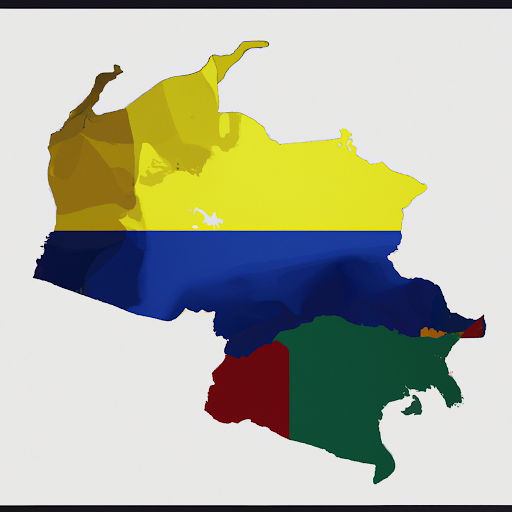
Colombia is a country located in the northwestern corner of South America. It is bordered by Panama to the northwest, Venezuela to the east, Brazil to the south, and Ecuador and Peru to the south and west. Colombia is the fourth largest country in South America and the 26th largest country in the world. It has a population of over 50 million people, making it the second most populous country in South America after Brazil.
Colombia is a diverse country with a rich history and culture. It is home to a variety of ethnic groups, including the indigenous people of the Amazon, Afro-Colombians, and mestizos. The country is also home to a variety of languages, including Spanish, English, and indigenous languages.
Colombia is known for its beautiful landscapes, including the Andes Mountains, the Amazon rainforest, and the Caribbean coast. The country is also home to a variety of wildlife, including jaguars, sloths, and toucans.
Colombia is a major producer of coffee, bananas, and flowers. It is also a major producer of oil and coal. The country is also a major exporter of gold, emeralds, and other minerals.
Colombia is a democratic republic with a presidential system of government. The president is elected by popular vote and serves a four-year term. The country is divided into 32 departments, each with its own governor.
Colombia is a member of the United Nations, the Organization of American States, and the Union of South American Nations. It is also a member of the Organization of Ibero-American States and the Latin American Economic System.
Colombia is a major tourist destination, with its beautiful beaches, colonial cities, and vibrant culture. The country is also home to a variety of festivals, including the Barranquilla Carnival and the Cali Fair.
Colombia is a vibrant and diverse country with a rich history and culture. It is a major producer of coffee, bananas, and flowers, and is a major exporter of gold, emeralds, and other minerals. It is a democratic republic with a presidential system of government and is a member of the United Nations, the Organization of American States, and the Union of South American Nations. Colombia is a major tourist destination, with its beautiful beaches, colonial cities, and vibrant culture.
Cost of Living and Currency in Colombia
Colombia’s currency is the Colombian peso (COP). The official symbol for the Colombian peso is $. The current exchange rate is approximately 1 Colombian peso equals 0.00025 United States Dollar (USD).
As for the cost of living in Colombia, here are some details:
- Monthly Pass (Regular Price): 121,500.00Col$
- Taxi Start (Normal Tariff): 5,400.00Col$
- Taxi 1 mile (Normal Tariff): 9,656.07Col$
- The cost of living in Colombia is generally lower compared to the world average. It is approximately 1.79 times less expensive than the global average.
- The estimated monthly costs for a family of four in Colombia is COL$8,406,166, while for a single person it is COL$3,809,008.
- Rent prices can vary depending on the location. For example, in Medellín’s upscale El Poblado neighborhood, renting a three-bedroom high-rise apartment can cost around $1,250 per month.
- Colombia is considered to be 63.8% cheaper than the United States in terms of cost of living.
I hope this information helps! Let me know if you have any more questions.
Means of communication in Colombia
Based on the real-time information, here are the SIM card and wifi router rental services available for travelers in Colombia:
SIM card rental services:
- Movistar, Tigo, and Claro are the main mobile internet providers in Colombia that offer prepaid SIM cards for tourists.
- Claro is recommended by Traveltomtom as a good option for buying a SIM card at Bogota Airport.
- Other recommended SIM card options in Colombia include Tigo (Une), Moviestar, WOM, or Airalo.
Wifi router rental services:
- TravelWifi offers portable WiFi hotspot rental services with coverage in over 130 countries, including Colombia.
- Holafly is another provider that offers pocket WiFi rental for travelers to Colombia.
- XOXO WiFi is a mobile hotspot provider for travelers, digital nomads, and businessmen in Colombia.
- Rent ‘n Connect provides unlimited, 4G speed mobile WiFi rental services in Colombia.
Vendor names:
- For SIM card rental services, the vendors are Movistar, Tigo, Claro, WOM, and Airalo.
- For wifi router rental services, the vendors are TravelWifi, Holafly, XOXO WiFi, and Rent ‘n Connect.
Please note that the availability and specific details of these services may vary, so it’s recommended to check with the respective vendors for the most up-to-date information.COPY
Colombia Languages and Greetings
The official language of Colombia is Spanish. Here are some simple greetings and their pronunciations:
- Hello – Hola (oh-lah)
- Good morning – Buenos días (bway-nos dee-as)
- Good afternoon – Buenas tardes (bway-nas tar-des)
- Good evening – Buenas noches (bway-nas no-ches)
- How are you? – ¿Cómo estás? (koh-moh es-tas)
- I’m fine, thank you – Estoy bien, gracias (es-toy bee-en, grah-see-as)
- What’s your name? – ¿Cómo te llamas? (koh-moh te yam-as)
- My name is ______ – Me llamo ______ (me yam-o)
It’s important to note that pronunciation can vary depending on regional accents and dialects. The above pronunciations are in standard Latin American Spanish. Additionally, Colombians tend to use the informal “tú” pronoun instead of the formal “usted” pronoun when speaking with friends and acquaintances.
Food and Cuisine in Colombia
Colombia’s food culture is diverse and influenced by the country’s geography, climate, and history. Colombian cuisine is characterized by the use of fresh ingredients such as meats, seafood, fruits, and vegetables, as well as staples such as rice, beans, and corn.
Here are some recommended foods and drinks to try in Colombia:
- Arepas – Arepas are a staple food in Colombia made of cornmeal that is formed into a patty and then grilled, baked, or fried. They can be filled with a variety of ingredients such as cheese, meat, or vegetables and are often eaten for breakfast or as a snack.
- Bandeja Paisa – Bandeja Paisa is a hearty dish that originated in the Paisa region of Colombia. It typically includes beans, rice, ground beef, chorizo, fried pork belly, avocado, plantains, and a fried egg on top.
- Empanadas – Empanadas are a popular street food in Colombia made of dough that is filled with meat, potatoes, or cheese, and then fried or baked. They are often served with aji, a spicy sauce made of hot peppers and cilantro.
- Chicharrón – Chicharrón is a crispy pork belly that is often served with arepas and is a popular breakfast food in Colombia.
- Ajiaco – Ajiaco is a traditional soup that is made with chicken, potatoes, corn, and herbs. It is a hearty and comforting dish that is perfect for cold days.
- Aguardiente – Aguardiente is a popular anise-flavored liquor that is often enjoyed with friends and family during celebrations and social gatherings.
- Coffee – Colombia is famous for its high-quality coffee, which is grown in the country’s mountainous regions. Coffee is a staple beverage in Colombia and is often enjoyed with breakfast or as an afternoon pick-me-up.
It’s worth noting that Colombian cuisine can vary depending on the region and city, so there are many other delicious foods and drinks to discover. Additionally, Colombia is known for its fresh fruits and juices, so be sure to try a variety of tropical fruits such as guanabana, lulo, and maracuyá.
Colombia climate and clothing
Colombia’s climate is tropical and varies depending on the region and altitude. In general, there are two main seasons: a dry season and a rainy season. However, due to its proximity to the equator, temperatures are relatively consistent throughout the year.
Here is a general overview of the climate in Colombia by region:
- Caribbean Coast – The Caribbean coast of Colombia is hot and humid year-round, with temperatures ranging from the mid-80s to low-90s Fahrenheit (around 27-32°C). The dry season runs from December to March, while the rainy season typically occurs from May to November.
- Andean Region – The Andean region, which includes cities like Bogotá, Medellín, and Cali, has a mild, spring-like climate with temperatures that range from the mid-50s to low-70s Fahrenheit (around 12-23°C). The dry season in this region runs from December to March, while the rainy season typically occurs from April to November.
- Pacific Coast – The Pacific coast of Colombia is hot and humid year-round, with temperatures ranging from the mid-80s to low-90s Fahrenheit (around 27-32°C). The region receives heavy rainfall throughout the year.
- Amazon Rainforest – The Amazon rainforest region of Colombia is hot and humid year-round, with temperatures that range from the mid-70s to mid-90s Fahrenheit (around 24-35°C). The region receives heavy rainfall throughout the year.
When it comes to what to wear in Colombia, it’s best to pack for the season and region you’re visiting. In general, lightweight, breathable clothing is recommended, especially for the hot and humid regions like the Caribbean and Pacific coasts. For the Andean region, it’s best to dress in layers, as temperatures can vary throughout the day.
If you plan on visiting higher altitude areas like Bogotá, be sure to pack warm clothing as temperatures can drop at night. Additionally, rain gear is recommended for the rainy season in all regions.
Overall, it’s best to check the weather forecast for your specific destination and time of year to ensure you pack accordingly.
Security and Situation in Colombia
Colombia has come a long way in terms of security and stability in recent years, but like any country, there are still some security concerns to be aware of.
The Colombian government has made significant progress in combating drug trafficking, paramilitary groups, and guerilla organizations, resulting in improved security and reduced crime rates. However, there are still some areas of the country that are considered high-risk due to the presence of armed groups and criminal organizations.
Tourist areas and major cities like Bogotá, Medellín, and Cartagena are generally considered safe, but it’s always important to exercise caution, especially when traveling alone or at night. Petty theft, such as pickpocketing and purse-snatching, can occur in busy tourist areas, so it’s important to be aware of your surroundings and keep valuables secured.
It’s also important to research any areas you plan to visit before traveling and heed any travel advisories issued by your government or reputable sources like the US State Department or the UK Foreign Office. These advisories may recommend avoiding certain areas due to ongoing conflicts or other security concerns.
Overall, Colombia has made great strides in improving security and reducing crime rates, but it’s still important to be vigilant and take precautions when traveling, especially in areas that are considered high-risk. By doing so, travelers can safely enjoy all that this beautiful country has to offer.
Religion and Culture of Colombia
Colombia is a diverse country with a rich and varied culture. The majority of Colombians identify as Christian, with Catholicism being the predominant religion. However, there are also significant populations of Protestants and evangelicals. Indigenous religions and beliefs are also practiced in some regions of the country.
Colombia’s culture is heavily influenced by its history, which includes colonization by the Spanish and the presence of African, Indigenous, and other immigrant populations. This diversity is reflected in the country’s cuisine, music, art, and other cultural expressions.
One of the most popular cultural expressions in Colombia is music, particularly salsa and cumbia. These genres have their roots in African, Indigenous, and Spanish music traditions and are enjoyed by people of all ages and backgrounds. Other popular Colombian cultural traditions include bullfighting, colorful festivals like Carnival and Barranquilla’s Carnival, and traditional folk dances like the bambuco.
Family and community are also important aspects of Colombian culture, and hospitality is highly valued. It’s not uncommon for Colombians to invite strangers into their homes for a meal or offer help to someone in need.
In addition, Colombians are known for their love of sports, particularly football (soccer), which is considered the national sport. Colombia also has a rich literary tradition, with writers like Gabriel García Márquez, who won the Nobel Prize in Literature in 1982.
Overall, Colombia’s religion and culture are diverse and dynamic, with a mix of influences from various indigenous, African, European, and other immigrant populations.
Transportation in Colombia
Colombia has a variety of transportation options available for travelers and locals alike.
- Buses: Buses are the most common mode of transportation in Colombia and are available in most cities and towns. There are different types of buses, from local minibuses to intercity coaches. They are relatively inexpensive and offer a convenient way to travel long distances.
- Taxis: Taxis are widely available in urban areas and can be hailed on the street or called through an app. In major cities like Bogotá and Medellín, there are also ride-sharing services like Uber and Cabify.
- Metro: Medellín and the capital city Bogotá have metro systems that provide a quick and convenient way to get around the city.
- Trams: The coastal city of Barranquilla has a tram system that connects different parts of the city.
- Domestic flights: Colombia has a number of domestic airlines that offer flights between major cities and tourist destinations. Flights can be more expensive than other forms of transportation, but they can be a faster and more convenient option for longer distances.
- Ferries: In some parts of the country, such as the Amazon region and the Caribbean coast, ferries are used to connect different towns and cities.
- Motorcycles: In some areas, particularly rural regions, motorcycles are a popular mode of transportation.
It’s important to keep in mind that while transportation options are widely available in Colombia, the quality and safety can vary. In major cities, it’s recommended to use only licensed taxis or ride-sharing services, and be cautious when traveling alone or at night.
Major cities of Colombia
Here are the names of three major cities in Colombia along with an overview of each:
- Bogotá – Bogotá is the capital and largest city in Colombia, with a population of over 7 million people. It is situated in the Andes Mountains at an altitude of 2,640 meters above sea level, making it one of the highest capital cities in the world. Bogotá is known for its rich history and culture, including its colonial architecture, museums, and art galleries. The city also has a thriving food scene, with a variety of traditional and modern restaurants offering Colombian and international cuisine. Other popular attractions include Monserrate Hill, La Candelaria, and the Gold Museum.
- Medellín – Medellín is the second-largest city in Colombia, with a population of around 2.5 million people. Located in the Aburrá Valley in the Andes Mountains, Medellín is known for its pleasant climate, beautiful parks, and innovative public transportation system. It is also the birthplace of the famous artist Fernando Botero and has a number of museums and galleries dedicated to his work. Other popular attractions include Plaza Botero, the Medellín Metrocable, and the Antioquia Museum.
- Cartagena – Cartagena is a coastal city in northern Colombia, with a population of around 1 million people. It is known for its beautiful beaches, colorful colonial architecture, and vibrant nightlife. The city’s historic center, known as the Walled City, is a UNESCO World Heritage Site and is filled with charming streets, plazas, and churches. Other popular attractions include the Castillo San Felipe de Barajas, the Palace of the Inquisition, and the Rosario Islands.
コメント