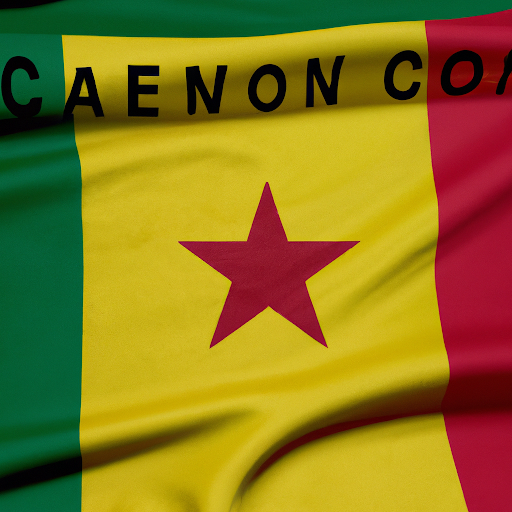
About Cameroon
Cameroon is a Central African nation located on the Gulf of Guinea. It is bordered by Nigeria to the west, Chad to the northeast, the Central African Republic to the east, and Equatorial Guinea, Gabon, and the Republic of the Congo to the south. Cameroon is home to over 200 different ethnic groups, making it one of the most diverse countries in Africa.
The country is divided into two distinct regions: the northern region, which is predominantly Muslim, and the southern region, which is predominantly Christian. The official language of Cameroon is French, although English is also widely spoken.
Cameroon is a land of great natural beauty, with lush rainforests, rolling hills, and stunning beaches. The country is home to a variety of wildlife, including elephants, gorillas, chimpanzees, and hippos. It is also home to some of the world’s most spectacular bird species, such as the African Grey Parrot and the African Fish Eagle.
Cameroon is a major producer of oil and natural gas, and is also a major exporter of cocoa, coffee, and timber. The country is also a major producer of cotton, rubber, and bananas.
Cameroon is a vibrant and diverse country with a rich cultural heritage. The country is home to a variety of traditional music, dance, and art forms. The country is also home to a number of festivals, such as the Bamenda Festival of Arts and Culture, which celebrates the country’s traditional music and dance.
Cameroon is a great destination for travelers looking to experience the beauty and culture of Africa. The country is home to a variety of national parks, such as the Waza National Park, which is home to a variety of wildlife, and the Korup National Park, which is home to some of the world’s oldest rainforests.
Cameroon is a great place to visit for those looking to experience the beauty and culture of Africa. With its diverse population, stunning landscapes, and vibrant culture, Cameroon is sure to provide an unforgettable experience.
Cost of Living and Currency in Cameroon
Cameroon’s official currency is the Central African CFA franc (XAF), which is also used by five other Central African countries. The CFA franc is pegged to the euro at a fixed exchange rate, and its value is determined by the French Treasury. The CFA franc is widely accepted in Cameroon, and it is possible to exchange other currencies such as US dollars and euros at banks and exchange bureaus.
In terms of the cost of living in Cameroon, it is generally lower than in many developed countries. However, it can vary significantly depending on the location and lifestyle of the individual. In major cities such as Douala and Yaounde, the cost of living is higher than in rural areas. Housing and transportation costs can be significant expenses in urban areas.
Food prices in Cameroon are generally reasonable, with fresh produce such as fruits and vegetables being widely available at low prices. Imported goods can be more expensive due to transportation costs and import duties. Healthcare costs can also vary widely depending on the quality of care and the type of facility.
Overall, Cameroon can be an affordable place to live compared to many developed countries, but it is important to research and plan accordingly based on individual circumstances.
Means of communication in Cameroon
There are several SIM card and Wi-Fi router rental services available for travelers in Cameroon. Some of the popular vendors include:
- Orange Cameroon – Orange is a leading mobile network operator in Cameroon, and they offer SIM cards for purchase or rental for tourists. They also have portable Wi-Fi routers available for rent.
- MTN Cameroon – MTN is another major mobile network operator in Cameroon, and they offer SIM cards and portable Wi-Fi routers for purchase or rental for tourists.
- Camtel – Camtel is a state-owned telecommunications company in Cameroon, and they offer Wi-Fi router rental services for tourists at their offices or at the airport.
- Africell Cameroon – Africell is a new mobile network operator in Cameroon, and they offer SIM cards and portable Wi-Fi routers for purchase or rental for tourists.
It is important to note that availability and pricing may vary depending on the location and vendor. It is recommended to research and compare options before making a purchase or rental.
Cameroon Languages and Greetings
Cameroon has over 200 languages, but the official languages are French and English. However, there are several other widely spoken languages in Cameroon, including:
- Fulfulde – “Ndolo” means love (pronounced “nn-doh-loh”)
- Ewondo – “Mebenga” means hello (pronounced “meh-ben-gah”)
- Pidgin English – “How you dey?” means how are you? (pronounced “how yu deh?”)
- Douala – “Wulek mulek” means hello (pronounced “woo-lek moo-lek”)
It’s important to note that pronunciation can vary depending on the region and dialect. If you’re planning to visit Cameroon, it’s always a good idea to learn some basic greetings and phrases in the local language to show respect and connect with the locals.
Food and Cuisine in Cameroon
Cameroon has a diverse food culture, influenced by its geography and history. The cuisine is characterized by the use of spices, herbs, and vegetables, with a variety of meat, fish, and poultry dishes. Some popular dishes and drinks in Cameroon include:
- Ndole – a dish made with bitterleaf and peanuts, typically served with steamed rice or boiled plantains.
- Jollof Rice – a one-pot dish made with rice, tomatoes, onions, and spices.
- Achu soup – a spicy soup made with palm nut extract, cassava, and various meats and fish.
- Suya – grilled skewers of beef, chicken, or goat, marinated in spices and served with a spicy peanut sauce.
- Puff-puff – a deep-fried doughnut-like snack, typically served as a street food.
- Bissap – a popular drink made from dried hibiscus flowers, water, and sugar.
- Palm wine – a traditional alcoholic drink made from the sap of palm trees.
Cameroon also has a rich coffee culture, with coffee being grown and consumed throughout the country. Other popular beverages in Cameroon include beer, which is widely consumed, and a variety of fruit juices and teas.
It’s important to note that the food culture in Cameroon varies depending on the region, with different ethnic groups having their own unique cuisines. If you’re visiting Cameroon, be sure to explore the local cuisine and try as many dishes and drinks as possible to get a taste of the country’s rich culinary heritage.
Cameroon climate and clothing
Cameroon has a tropical climate, with generally warm and humid conditions throughout the year. However, the weather can vary depending on the region and the season.
In the southern coastal region, the climate is typically hot and humid with temperatures ranging from 24-32°C (75-90°F) throughout the year. The rainy season runs from March to November, with the heaviest rainfall occurring in June, July, and August.
In the northern regions of Cameroon, the climate is more arid, with temperatures ranging from 22-40°C (72-104°F) and little rainfall. The dry season runs from November to March, and the rainy season runs from June to September.
When it comes to what to wear in Cameroon, lightweight and breathable clothing is recommended, especially during the hot and humid months. It’s also important to dress modestly, particularly in rural areas and when visiting religious sites. For women, it’s recommended to wear clothing that covers the shoulders and knees. Men typically wear shorts and t-shirts or lightweight cotton shirts.
During the rainy season, it’s important to bring a lightweight rain jacket or umbrella, as heavy downpours can occur. In the northern regions, the temperature can drop significantly at night, so it’s recommended to bring a light sweater or jacket for the evenings.
Overall, it’s important to check the weather forecast for the region you’ll be visiting and pack accordingly to ensure you’re comfortable during your trip.
Security and Situation in Cameroon
Cameroon has experienced security challenges in recent years, particularly in the northern and western regions of the country.
In the northern region, there has been a rise in attacks by the Boko Haram extremist group, which has resulted in increased military presence in the area. There have also been reports of kidnappings and attacks on civilians.
In the western region, there has been ongoing conflict between the government and separatist groups seeking independence for the Anglophone regions. This has resulted in violence and displacement of civilians, as well as travel disruptions.
In addition to these challenges, there have also been occasional outbreaks of civil unrest, particularly in urban areas.
It’s important to exercise caution and stay informed about the current situation if you’re planning to travel to Cameroon. It’s recommended to avoid travel to the northern region and to be vigilant in the western region. It’s also recommended to monitor local media for updates and to follow the guidance of local authorities.
Overall, Cameroon remains a beautiful country with much to offer travelers, but it’s important to be aware of the current security situation and take necessary precautions to ensure a safe and enjoyable trip.
Religion and Culture of Cameroon
Cameroon is a country with a rich cultural and religious heritage. There are over 200 ethnic groups in Cameroon, each with its own unique culture, traditions, and practices. However, the majority of Cameroonians are Christian or Muslim, with smaller populations of followers of traditional African religions and other faiths.
Christianity is the largest religion in Cameroon, with approximately 70% of the population identifying as Christian, mainly Roman Catholic, Protestant, or Pentecostal. Islam is the second largest religion, with approximately 20% of the population identifying as Muslim, mainly Sunni. There are also small communities of Jews, Hindus, and followers of traditional African religions.
Despite the religious diversity, there are many common cultural practices and traditions in Cameroon. Traditional music, dance, and art are important parts of Cameroon’s cultural heritage, with many festivals and celebrations throughout the year. Traditional dress and textiles are also an important aspect of Cameroon’s cultural identity.
Family and community are highly valued in Cameroonian culture, with extended families playing an important role in social and economic life. Respect for elders and authority figures is also an important cultural value.
Food is an important part of Cameroonian culture, with a diverse cuisine influenced by the country’s geography and history. Cameroonian cuisine typically includes a variety of meat, fish, and vegetable dishes, often spiced with local herbs and spices.
Overall, Cameroon’s culture and religious traditions are diverse and rich, reflecting the country’s complex history and geography.
Transportation in Cameroon
Cameroon has a range of transportation options available to travelers, including:
- Buses: Buses are the most common form of public transportation in Cameroon, with a range of options available from large inter-city coaches to smaller minibuses.
- Taxis: Taxis are widely available in Cameroon’s urban areas, including large cities like Yaoundé and Douala. There are also shared taxis that operate along set routes.
- Motorcycles: Motorcycles, also known as “moto-taxis”, are a popular mode of transportation in Cameroon’s urban areas. They can be used for short trips or to navigate through traffic.
- Trains: Cameroon has a limited train network that connects major cities, including Yaoundé and Douala.
- Car rentals: Car rentals are available in major cities, but driving in Cameroon can be challenging due to poorly maintained roads and heavy traffic.
- Domestic flights: There are several domestic airlines that operate within Cameroon, with flights connecting major cities and regional airports.
It’s important to note that transportation infrastructure in Cameroon can be limited and poorly maintained in some areas. It’s also important to exercise caution when using public transportation, particularly at night or in areas with higher crime rates. It’s recommended to use trusted providers and avoid carrying large amounts of cash or valuables while traveling.
Major cities of Cameroon
Here are three major cities in Cameroon and an overview of each:
- Yaoundé: Yaoundé is the capital city of Cameroon, located in the central region of the country. It is the political and administrative center of Cameroon, with many government offices and embassies located there. Yaoundé is also home to several universities, museums, and cultural institutions. The city has a mix of modern and traditional architecture, with several parks and green spaces throughout the city.
- Douala: Douala is the largest city in Cameroon and serves as the economic capital of the country. It is located on the coast, making it an important port city for trade and commerce. Douala is home to several large international companies and is a hub for business and industry in the region. The city is also known for its lively street markets, nightlife, and cultural events.
- Bamenda: Bamenda is a major city in the northwest region of Cameroon. It is known for its scenic beauty, with views of the surrounding mountains and valleys. Bamenda is home to several universities and is a center for education and research in Cameroon. The city also has a rich cultural heritage, with several festivals and celebrations throughout the year.
コメント