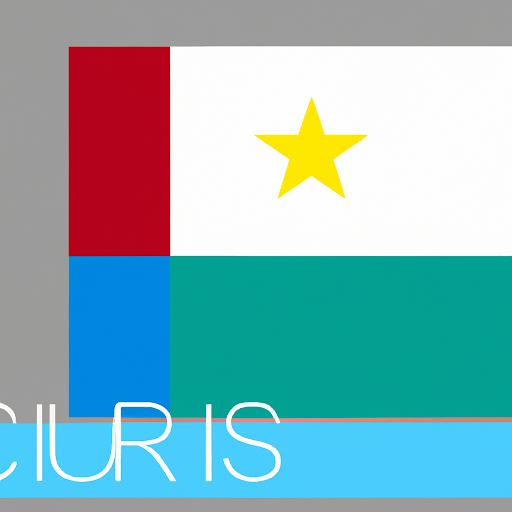
- About Central African Republic
- Cost of Living and Currency in Central African Republic
- Means of communication in Central African Republic
- Central African Republic Languages and Greetings
- Food and Cuisine in Central African Republic
- Central African Republic climate and clothing
- Security and Situation in Central African Republic
- Religion and Culture of Central African Republic
- Transportation in Central African Republic
- Major cities of Central African Republic
About Central African Republic
The Central African Republic (CAR) is a landlocked country located in the heart of Africa. It is bordered by Chad, Sudan, South Sudan, the Democratic Republic of the Congo, the Republic of the Congo, and Cameroon. The country has a population of approximately 4.7 million people and covers an area of about 622,984 square kilometers.
The Central African Republic is a former French colony, and the official language is French. The country is divided into 16 prefectures, and the capital is Bangui. The Central African Republic is one of the poorest countries in the world, with a GDP per capita of only $400. The economy is largely based on subsistence agriculture, and the country is heavily reliant on foreign aid.
The Central African Republic has a long history of political instability and civil unrest. In 2013, a coup d’état led to the overthrow of the government, and the country has been in a state of conflict ever since. The conflict has been characterized by violence between different ethnic and religious groups, and the country has been plagued by human rights abuses.
The Central African Republic is home to a wide variety of wildlife, including elephants, lions, leopards, and gorillas. The country is also home to a number of national parks and reserves, including the Dzanga-Sangha National Park and the Manovo-Gounda St Floris National Park.
The Central African Republic is a member of the United Nations, the African Union, and the Economic Community of Central African States. The country is also a signatory to a number of international treaties, including the Convention on the Rights of the Child and the Convention on the Elimination of All Forms of Discrimination Against Women.
The Central African Republic is a beautiful and diverse country, with a rich culture and history. Despite its political instability and economic hardship, the country is home to a vibrant and resilient population. With the help of international aid and support, the Central African Republic has the potential to become a prosperous and peaceful nation.
Cost of Living and Currency in Central African Republic
The official currency of the Central African Republic (CAR) is the Central African CFA franc (XAF), which is also used by several other countries in Central Africa. The XAF is pegged to the euro, with a fixed exchange rate of 1 euro to 655.957 XAF.
In terms of cost of living, the CAR is one of the poorest countries in the world, with a significant portion of the population living in poverty. Prices for basic goods and services are generally low, but so are average incomes, so many people struggle to make ends meet.
According to Numbeo, a website that compares cost of living data from around the world, the cost of living index in the CAR is 27.71, which is one of the lowest in the world. This means that the cost of living in the CAR is much lower than in most other countries, with the price of basic goods like food, housing, and transportation being significantly cheaper than in other parts of the world.
However, it’s important to note that the CAR is also one of the least developed countries in the world, with very limited infrastructure and a high level of political instability. This can make it difficult for people to access even basic goods and services, and can also contribute to high levels of insecurity and violence.
Means of communication in Central African Republic
Unfortunately, it may be challenging to find SIM card and Wi-Fi router rental services for travelers in the Central African Republic. The country has limited telecommunications infrastructure and internet access, particularly outside of the capital city of Bangui.
There are a few mobile network operators in the country, including Orange, Telecel, and Moov. However, their coverage may be limited and unreliable in some areas. It may be possible to purchase a local SIM card from one of these providers, but you may need to provide identification documents and it may not be easy to find a vendor that offers this service to travelers.
As for Wi-Fi router rental services, it is unlikely that such services are available for travelers in the Central African Republic. It may be possible to find internet cafes or hotels with Wi-Fi access in larger cities, but these may be limited and of varying quality.
It is recommended that travelers check with their mobile network operator to see if they offer international roaming services in the Central African Republic. This may be a more reliable option for accessing mobile data while traveling in the country.
Central African Republic Languages and Greetings
The official language of the Central African Republic (CAR) is French, which is used in government, education, and business. However, there are also many other languages spoken in the country, including Sango, which is a creole language that is widely spoken and understood.
Here are some simple greetings in Sango:
- Hello: Mbote (pronounced em-bow-tay)
- Good morning: Azorô na tînguélé (pronounced ah-zoh-roh nah teen-gwuh-lay)
- Good afternoon: Azorô na katinî (pronounced ah-zoh-roh nah kah-tee-nee)
- Good evening: Azorô na kossam (pronounced ah-zoh-roh nah koh-sahm)
- Goodbye: Mbîa (pronounced m-bee-ah)
- Thank you: Akpagbâ (pronounced ahk-pah-gbah)
It’s important to note that there are many different dialects and variations of Sango, so these greetings may be pronounced slightly differently depending on where you are in the country. However, these basic phrases should be enough to show respect and build rapport with locals in the Central African Republic.
Food and Cuisine in Central African Republic
The food culture of the Central African Republic (CAR) is diverse, with influences from many different ethnic groups and neighboring countries. The cuisine is characterized by its use of local ingredients such as cassava, plantains, peanuts, yams, and various types of meat, including game meat.
Here are some recommended foods and drinks to try in the Central African Republic:
- Fufu: Fufu is a starchy, dough-like dish that is made from cassava or plantains. It is typically eaten with a sauce or soup and is a staple in many African countries.
- Saka-saka: Saka-saka is a dish made from cassava leaves that have been pounded and cooked with onions, tomatoes, and other spices. It is often served with rice or fufu.
- Grilled or roasted meat: Meat, including beef, goat, and bushmeat, is a common ingredient in Central African cuisine. It is often grilled or roasted over an open flame and served with a sauce or side dish.
- Peanut sauce: Peanut sauce is a popular condiment in many African countries, including the Central African Republic. It is made from ground peanuts, onions, tomatoes, and other spices and is often served with meat or vegetables.
- Palm wine: Palm wine is a traditional alcoholic beverage that is made from the sap of palm trees. It has a sweet, slightly sour taste and is often served in a calabash or other container.
- Ginger beer: Ginger beer is a non-alcoholic beverage that is made from fresh ginger, sugar, and water. It is a refreshing drink that is commonly consumed in the Central African Republic.
It’s important to note that the availability of these dishes may vary depending on where you are in the country, and some of them may be seasonal or only available at certain times of the year. Nonetheless, trying local foods and drinks is an excellent way to experience the culture of the Central African Republic.
Central African Republic climate and clothing
The Central African Republic (CAR) has a tropical climate with high temperatures and humidity throughout the year. There are two main seasons: a rainy season from May to October, and a dry season from November to April. The temperatures can vary depending on the season and location, with higher temperatures in the north and central regions.
If you are traveling to the Central African Republic, here are some tips on what to wear based on the weather:
- During the dry season (November to April), temperatures can be high, with average daytime temperatures ranging from 28°C (82°F) to 35°C (95°F). Lightweight, loose-fitting clothing made from natural fibers such as cotton or linen is recommended. Shorts and short-sleeved shirts are acceptable in most areas, but it’s best to avoid clothing that is too revealing or provocative. Sun protection is also essential, so bring a hat, sunglasses, and sunscreen.
- During the rainy season (May to October), temperatures are slightly cooler, with average daytime temperatures ranging from 25°C (77°F) to 30°C (86°F). It’s best to pack light, waterproof clothing, such as a raincoat or poncho, as heavy rainfall can occur at any time. Comfortable, waterproof footwear is also recommended as streets and roads can become muddy and slippery.
- If you are planning to travel to the northern regions of the country, which are closer to the Sahara desert, temperatures can be very hot during the day and very cold at night. It’s recommended to bring warm clothing for the evenings, such as a light jacket or sweater.
Overall, it’s best to dress modestly and respectfully, particularly in rural areas or when visiting religious sites. Additionally, it’s important to be aware of any cultural dress codes or customs that may be followed by locals.
Security and Situation in Central African Republic
The security situation in the Central African Republic (CAR) is complex and volatile, with ongoing political instability, social unrest, and armed conflict in certain areas of the country. There have been incidents of violence, including armed attacks, kidnappings, and robberies targeting both locals and foreigners. The government has limited control over certain regions of the country, and the security forces have limited capacity to maintain law and order.
The situation is particularly concerning in the eastern and northern regions of the country, where rebel groups and armed militias operate. The UN peacekeeping mission in the country, known as MINUSCA, has a significant presence in the country, but there are still areas where it may not be safe for travelers to visit.
It’s recommended that travelers to the Central African Republic exercise extreme caution and avoid all non-essential travel to the country. If travel is necessary, it’s important to obtain the latest information and security updates, and to follow the advice of local authorities, your embassy or consulate, and your travel company.
In terms of health and medical concerns, the Central African Republic has a high prevalence of infectious diseases, including malaria, cholera, and Ebola. It’s important to take appropriate precautions, such as getting necessary vaccinations and taking anti-malaria medication, and to seek medical attention if you become ill during your trip.
Overall, traveling to the Central African Republic carries significant risks, and it’s important to carefully consider the need for travel and to take appropriate precautions to ensure your safety and well-being.
Religion and Culture of Central African Republic
The Central African Republic (CAR) has a diverse population with a variety of ethnic groups, languages, and religions. Christianity and Islam are the two largest religions, with Christianity being the majority religion practiced by about 80% of the population, and Islam being practiced by about 10%. Traditional indigenous beliefs are also practiced by some communities.
Religion plays an important role in the culture of the CAR, with many cultural practices and traditions reflecting Christian or Muslim beliefs. For example, Christmas and Easter are important Christian holidays that are widely celebrated, while Ramadan is an important Muslim observance. Traditional dances, music, and art are also an important part of the country’s cultural heritage, with many of these forms of expression reflecting local customs and beliefs.
Hospitality is a valued cultural practice in the CAR, and visitors are often welcomed with warmth and generosity. Social events and celebrations are often marked by feasting and music, and visitors may be invited to join in these festivities.
Despite the country’s rich cultural diversity, the CAR has faced significant challenges related to conflict and instability in recent years, which have had a negative impact on social cohesion and cultural preservation. However, efforts are being made to promote cultural education and awareness, and to support the preservation of traditional cultural practices and heritage.
Transportation in Central African Republic
Transportation options in the Central African Republic (CAR) can be limited, particularly in rural areas where roads may be in poor condition or non-existent. Here are some of the main transportation options available in the country:
- Buses and taxis: Buses and taxis are the most common forms of public transportation in the CAR, particularly in urban areas such as Bangui. Taxis are usually shared, and fares are negotiated with the driver. Buses and taxis are generally affordable, but may be overcrowded and uncomfortable, and may not operate on a regular schedule.
- Motorcycles: Motorcycle taxis, known as “moto-taxis,” are a popular form of transportation in the CAR, particularly in rural areas. Moto-taxis are usually operated by independent drivers who can be hired for short trips or longer journeys. Moto-taxis are generally affordable and convenient, but can be risky and uncomfortable, particularly on poorly maintained roads.
- Car rentals: Car rentals are available in the CAR, but may be expensive and require advance booking. Rental cars are generally more suitable for urban driving, as roads in rural areas may be challenging or inaccessible.
- Domestic flights: Domestic flights are available in the CAR, but schedules may be irregular and flights may be subject to cancellation. Flights are usually operated by small regional airlines.
It’s important to note that road travel in the CAR can be hazardous, particularly at night or in rural areas. There have been incidents of carjacking and robbery targeting both locals and foreigners, and roads may be poorly maintained or impassable during the rainy season. It’s recommended to take appropriate precautions and to travel with a reputable tour company or guide if possible.
Major cities of Central African Republic
Here are three major cities in the Central African Republic (CAR) and an overview of each:
- Bangui: Bangui is the capital and largest city in the CAR, located in the southwestern part of the country. It’s situated on the banks of the Ubangi River and is known for its vibrant markets, colorful architecture, and bustling streets. Key attractions in Bangui include the Boganda National Museum, the Notre-Dame Cathedral, and the Marche Central (Central Market). The city is also home to several universities and educational institutions, as well as a number of international organizations and embassies.
- Bambari: Bambari is a city located in the central part of the CAR, and is the third-largest city in the country. It’s situated on the Ouaka River and is known for its scenic beauty, including waterfalls and forested areas. Key attractions in Bambari include the Saint Joseph Cathedral, the Bambari Waterfalls, and the marketplaces that offer a variety of goods, including handicrafts, textiles, and food items. The city is also home to several NGOs and humanitarian organizations.
- Bossangoa: Bossangoa is a city located in the northwestern part of the CAR, and is the fourth-largest city in the country. It’s situated on the banks of the Ouham River and is known for its diverse cultural heritage, including traditional dances and music. Key attractions in Bossangoa include the Notre-Dame Cathedral, the marketplaces, and the nearby Bamingui-Bangoran National Park, which offers opportunities for wildlife viewing and hiking. The city is also home to several NGOs and humanitarian organizations.

コメント