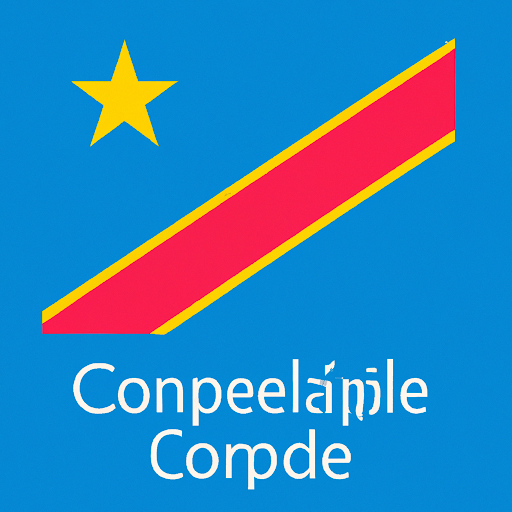
- About Democratic Republic of Congo
- Cost of Living and Currency in Democratic Republic of Congo
- Means of communication in Democratic Republic of Congo
- Democratic Republic of Congo Languages and Greetings
- Food and Cuisine in Democratic Republic of Congo
- Democratic Republic of Congo climate and clothing
- Security and Situation in Democratic Republic of Congo
- Religion and Culture of Democratic Republic of Congo
- Transportation in Democratic Republic of Congo
- Major cities of Democratic Republic of Congo
About Democratic Republic of Congo
The Democratic Republic of Congo (DRC) is a large, resource-rich country located in Central Africa. It is bordered by nine other countries, including Angola, Burundi, Central African Republic, Republic of the Congo, Rwanda, South Sudan, Tanzania, Uganda, and Zambia. The DRC is the second-largest country in Africa by area and the largest in Sub-Saharan Africa. It is also the most populous Francophone country in the world, with a population of over 80 million people.
The DRC has a long and complex history, with its roots stretching back to the pre-colonial era. The region was first inhabited by the Bantu people, who migrated from the north around 1000 BC. In the 15th century, the region was colonized by the Portuguese, followed by the Belgians in the 19th century. The country gained independence in 1960, and since then has experienced a number of civil wars and political unrest.
The DRC is a diverse country, with over 200 ethnic groups and over 700 languages and dialects spoken. The official language is French, but many other languages are also spoken, including Lingala, Swahili, and Tshiluba. The country is also home to a variety of religions, including Christianity, Islam, and traditional African beliefs.
The DRC is one of the most resource-rich countries in the world, with vast deposits of minerals, oil, and timber. It is also home to the world’s second-largest rainforest, the Congo Basin. Despite its wealth of resources, the DRC is one of the poorest countries in the world, with a GDP per capita of just $400. The country is also plagued by corruption and political instability, which has hindered economic growth and development.
The DRC is a member of the United Nations, the African Union, and the International Monetary Fund. It is also a signatory to a number of international treaties, including the Convention on the Rights of the Child and the Convention on the Elimination of All Forms of Discrimination Against Women.
Despite its many challenges, the DRC is a vibrant and diverse country with a rich culture and history. It is home to some of the world’s most spectacular wildlife, including mountain gorillas, chimpanzees, and elephants. The country is also home to some of the world’s most beautiful landscapes, including the Virunga National Park and the Okapi Wildlife Reserve. With its wealth of resources and potential for economic growth, the DRC is an important country in the African continent.
Cost of Living and Currency in Democratic Republic of Congo
The official currency of the Democratic Republic of Congo (DRC) is the Congolese franc (CDF). As of my knowledge cutoff in September 2021, the exchange rate was approximately 1 USD to 1,960 CDF. However, it’s important to note that the exchange rate can fluctuate frequently, and it’s always a good idea to check current rates before making any financial transactions.
In terms of the cost of living in the DRC, it can vary depending on location and lifestyle. In general, the cost of living in the DRC is lower than many other countries, but it’s important to note that the country has faced many economic challenges over the years, including high inflation rates and a lack of infrastructure.
Food and housing are typically the largest expenses for most people in the DRC. The cost of food can vary depending on whether it’s purchased from a local market or a supermarket, and whether it’s imported or locally produced. Housing costs can also vary significantly depending on the location, quality, and amenities of the property.
Overall, while the cost of living in the DRC may be relatively low compared to other countries, it’s important to be aware of the economic challenges the country faces and to take appropriate precautions when managing finances.
Means of communication in Democratic Republic of Congo
there are several mobile network operators in the Democratic Republic of Congo that offer prepaid SIM cards and data packages for travelers. Some of the major operators include Vodacom Congo, Airtel Congo, Orange DRC, Africell DRC, and Tigo DRC.
In terms of wifi router rental services for travelers, there may be some local vendors or providers that offer this service, but it’s not a common practice in the DRC. It’s more common for travelers to purchase a local SIM card and use their mobile device as a hotspot for internet access.
It’s always a good idea to research and compare different mobile network operators to find the best option for your needs. Prices, coverage, and data packages can vary, so it’s important to consider these factors when choosing a provider.
Democratic Republic of Congo Languages and Greetings
The Democratic Republic of Congo is a linguistically diverse country, with more than 200 ethnic groups and over 200 languages spoken. However, the official language of the DRC is French, which is used in government, business, and education. In addition to French, several indigenous languages are widely spoken, including Lingala, Swahili, Kikongo, and Tshiluba.
Here are some simple greetings in three commonly spoken languages in the DRC:
- Lingala:
- Hello: Mbote (pronounced “em-boh-teh”)
- How are you?: Nani eza mingi? (pronounced “nah-nee eh-zah meen-jee?”)
- Goodbye: Tokolanda biso (pronounced “toh-koh-lahn-dah bee-soh”)
- Swahili:
- Hello: Jambo (pronounced “jahm-boh”)
- How are you?: Habari gani? (pronounced “hah-bah-ree gah-nee?”)
- Goodbye: Kwaheri (pronounced “kwah-heh-ree”)
- Kikongo:
- Hello: Mbote (pronounced “em-boh-teh”)
- How are you?: Nzoto na ndunda? (pronounced “n-zoh-toh nah n-doon-dah?”)
- Goodbye: Bua lama (pronounced “boo-ah lah-mah”)
It’s always a good idea to learn a few basic phrases in the local language when traveling to a foreign country. This can help you to communicate with locals and show respect for their culture.
Food and Cuisine in Democratic Republic of Congo
The Democratic Republic of Congo has a rich and diverse food culture that reflects its history and geography. The country’s cuisine is influenced by traditional African dishes as well as Belgian and French colonial cuisine.
Here are some recommended foods and drinks to try in the DRC:
- Fufu: Fufu is a staple food in many African countries, including the DRC. It’s made from cassava flour or plantains that are boiled and mashed into a dough-like consistency. Fufu is often eaten with stews or soups.
- Poulet à la Moambé: This is a traditional Congolese dish made with chicken cooked in a sauce made from moambé (a type of palm nut), onions, and spices. It’s often served with fufu or rice.
- Makayabu: Makayabu is a fermented cassava root that’s been mashed into a pulp and cooked. It’s typically served with grilled fish or meat.
- Beignets: Beignets are a type of fried dough that’s popular in the DRC. They’re often served for breakfast or as a snack and can be filled with jam or other sweet or savory fillings.
- Palm wine: Palm wine is a popular alcoholic beverage in the DRC. It’s made from the sap of palm trees and has a sweet, slightly sour taste.
- Primus beer: Primus is a popular beer brand in the DRC. It’s a light lager with a mild, slightly sweet taste.
- Coffee: The DRC is known for producing high-quality coffee beans. It’s often served strong and sweetened with sugar.
It’s worth noting that food options may vary depending on the region of the DRC you are in, as well as the availability of ingredients. However, trying local cuisine can be a great way to experience the culture of the country.
Democratic Republic of Congo climate and clothing
The Democratic Republic of Congo has a tropical climate, with high temperatures and humidity throughout the year. There are two main seasons: a rainy season that lasts from October to May, and a dry season that runs from June to September.
In the rainy season, temperatures can range from 24-28°C (75-82°F), with high humidity and frequent rain. In the dry season, temperatures can be slightly cooler, ranging from 22-26°C (72-79°F), with lower humidity and less rain.
When visiting the DRC, it’s important to dress appropriately for the climate. Here are some tips on what to wear:
- Lightweight, breathable clothing: Since temperatures can be high and humidity levels can be intense, it’s important to wear lightweight, breathable clothing made from natural fibers like cotton or linen. Loose-fitting clothes can help to keep you cool and comfortable.
- Rain gear: If you’re traveling during the rainy season, it’s important to bring rain gear like a waterproof jacket or umbrella. Heavy rain can occur suddenly and unexpectedly, so it’s best to be prepared.
- Comfortable walking shoes: Many areas in the DRC are not paved, and the terrain can be rough, so it’s important to wear comfortable, sturdy walking shoes with good traction.
- Sun protection: The sun in the DRC can be strong, so it’s important to wear sunscreen, a hat, and sunglasses to protect your skin and eyes.
- Modest clothing: In the DRC, it’s generally best to dress modestly out of respect for the local culture. This means avoiding revealing clothing, particularly in more conservative areas.
It’s important to note that clothing and weather conditions can vary depending on the region of the DRC you’re visiting, so it’s a good idea to do some research on your specific destination before you go.
Security and Situation in Democratic Republic of Congo
The security situation in the Democratic Republic of Congo (DRC) can be complex and varies depending on the region. The country has experienced a long history of conflict and political instability, particularly in the eastern provinces, due to ethnic tensions, armed groups, and natural resource competition. The presence of armed groups, particularly in the eastern region, can lead to unpredictable security situations, including violence, kidnapping, and robbery.
Additionally, the DRC has also experienced sporadic outbreaks of diseases such as Ebola and cholera, as well as ongoing humanitarian crises affecting vulnerable populations.
Travelers to the DRC are advised to exercise caution and take appropriate safety precautions. It’s important to stay informed of the latest security developments and to follow the advice of local authorities, particularly in areas where there may be security risks.
The US Department of State and other foreign governments generally advise against non-essential travel to the DRC, particularly to the eastern provinces. Travelers should also be aware of the risk of crime, particularly in urban areas like Kinshasa, and should take measures to protect themselves and their belongings.
In summary, while the DRC can be a challenging place to travel due to security concerns, there are also many rewarding experiences to be had for those who take appropriate precautions and plan carefully. It’s important to stay informed, remain vigilant, and seek local advice when traveling in the DRC.
Religion and Culture of Democratic Republic of Congo
The Democratic Republic of Congo (DRC) has a diverse mix of religious and cultural traditions, shaped by a long history of migration, trade, and colonialism.
Religion plays an important role in Congolese society, with the majority of the population identifying as Christian (both Catholic and Protestant denominations), while a significant minority practices traditional indigenous religions, and a smaller percentage follows Islam.
Cultural traditions in the DRC are also diverse and complex, reflecting the country’s many ethnic groups and historical influences. Music, dance, and storytelling are important cultural expressions, with traditional instruments like the ngoma drum and the likembe thumb piano featuring prominently in Congolese music. Congolese cuisine is also rich and diverse, with a mix of local and international influences.
The country is known for its vibrant art scene, particularly in the capital city of Kinshasa, which has a thriving music and visual arts scene. The work of Congolese artists, such as painters Chéri Samba and Moké, has gained international recognition.
Family and community are also important values in Congolese culture, with extended family structures and social networks playing a central role in daily life.
Overall, the culture of the DRC is diverse, dynamic, and deeply connected to its history and traditions.
Transportation in Democratic Republic of Congo
Transportation options in the Democratic Republic of Congo (DRC) can be limited and often challenging, particularly outside of major urban centers. However, there are several modes of transportation available for travelers:
- Taxi: Taxis are available in most major cities in the DRC and are a convenient and affordable way to get around. However, travelers should be cautious and only use officially licensed taxis to ensure their safety.
- Bus: Buses are available for long-distance travel between major cities in the DRC, but they can be crowded and uncomfortable. There are also many private bus companies that operate between cities and offer varying levels of comfort.
- Motorcycle taxi: In many areas of the DRC, motorcycle taxis, known as “boda-bodas,” are a common form of transportation. They can be a fast and convenient way to get around, but travelers should be cautious and only use reputable drivers.
- Rental car: Rental cars are available in major cities, but driving in the DRC can be challenging due to poor road conditions and the lack of traffic laws and enforcement.
- Air travel: There are several domestic airlines that operate within the DRC, offering flights between major cities. However, air travel can be expensive and unreliable due to poor infrastructure and weather conditions.
- Boat: In some areas of the DRC, particularly along the Congo River, boats are a common mode of transportation. However, boat travel can be dangerous and should be approached with caution.
Overall, transportation in the DRC can be challenging, and travelers should be prepared for unexpected delays and difficulties. It’s important to research your options carefully and to plan ahead to ensure a safe and comfortable journey.
Major cities of Democratic Republic of Congo
here are three major cities in the Democratic Republic of Congo (DRC) and an overview of each:
- Kinshasa: Kinshasa is the capital and largest city in the DRC, with a population of approximately 17 million people. It is located in the western part of the country, on the Congo River, and serves as the country’s economic and cultural center. Kinshasa is known for its vibrant music scene, particularly for the popular genre of Congolese rumba, as well as its art and cultural festivals. The city is also home to many historical landmarks, including the National Museum of Kinshasa and the Palais de Marbre, a former presidential residence.
- Lubumbashi: Lubumbashi is the second-largest city in the DRC, with a population of approximately 2 million people. It is located in the southeastern part of the country, near the border with Zambia, and serves as a hub for mining and commerce. Lubumbashi is known for its colonial architecture, including the historic La Gare Central railway station, as well as its vibrant nightlife and bustling markets. The city is also home to several universities and cultural institutions, including the Lubumbashi Museum of Art and the École Nationale des Arts.
- Kisangani: Kisangani is a major city in the northeastern part of the DRC, with a population of approximately 1 million people. It is located on the Congo River, and is known for its lush rainforests and natural beauty. Kisangani is a center for trade and transportation, with several major highways and waterways passing through the city. The city is also home to several universities and research institutions, including the Université de Kisangani and the Institut Congolais pour la Conservation de la Nature.
These are just a few examples of the major cities in the DRC, each with its unique character, history, and culture.
コメント