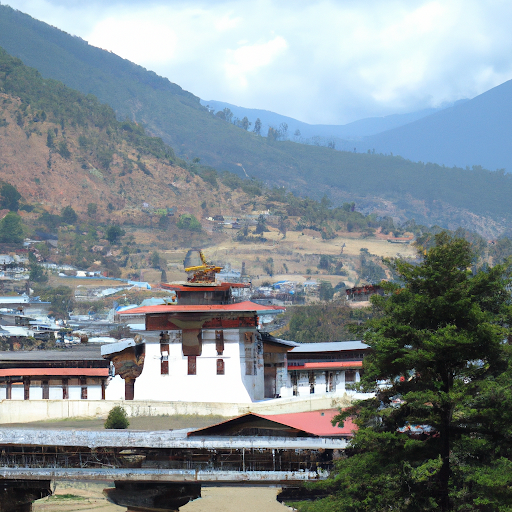
About Bhutan
Bhutan is a small, landlocked country located in the Eastern Himalayas, bordered by India and China. It is known for its unique culture, stunning landscapes, and its commitment to environmental conservation.
Bhutan is a country of great natural beauty, with lush forests, snow-capped mountains, and crystal-clear rivers. The country is home to a variety of wildlife, including tigers, snow leopards, and red pandas. Bhutan is also known for its unique culture, which is heavily influenced by Buddhism. The country is home to many ancient monasteries and temples, and the traditional dress of the Bhutanese people is the gho, a knee-length robe.
Bhutan is a country that is committed to environmental conservation. The government has implemented a number of policies to protect the environment, including a ban on plastic bags and a commitment to maintain 60% of the country’s land as forest. Bhutan is also a leader in renewable energy, with over 70% of its electricity coming from hydropower.
Bhutan is a popular tourist destination, with many visitors coming to experience its unique culture and stunning landscapes. The country is home to a number of national parks, including Jigme Dorji National Park, which is home to a variety of wildlife. Visitors can also explore the country’s many monasteries and temples, or take part in traditional Bhutanese activities such as archery and hot stone baths.
Bhutan is a country that is full of beauty and culture, and its commitment to environmental conservation makes it a great destination for those looking to experience something unique. With its stunning landscapes, unique culture, and commitment to conservation, Bhutan is a country that is sure to leave a lasting impression.
Cost of Living and Currency in Bhutan
Currency: The official currency of Bhutan is the Bhutanese Ngultrum (BTN), which is pegged to the Indian Rupee (INR) at a fixed rate. The Indian Rupee is also accepted as legal tender in Bhutan, but it’s important to note that Indian Rupee notes of 500 and 1000 denominations are not accepted in Bhutan.
Cost of Living: Bhutan is known to be a relatively expensive country to travel to due to its government policy of promoting “high-value, low-impact” tourism. However, the cost of living in Bhutan can vary depending on your lifestyle and spending habits. Here are some approximate costs of common expenses in Bhutan:
- Accommodation: The cost of accommodation in Bhutan can vary widely depending on the level of comfort and luxury you’re looking for. Budget hotels and guesthouses can cost between BTN 500 to 2000 per night, while mid-range hotels and resorts can cost anywhere from BTN 4000 to 10,000 per night. High-end luxury hotels can cost upwards of BTN 20,000 per night.
- Food: The cost of food in Bhutan can vary depending on where you eat. Traditional Bhutanese food is generally quite affordable and can cost between BTN 100 to 400 per meal. However, if you choose to eat at more upscale restaurants or hotels, the cost can be higher.
- Transportation: Taxis and buses are the main modes of transportation in Bhutan. Taxis can be expensive, with fares starting at around BTN 300 for short trips. Buses are generally cheaper, with fares starting at around BTN 10 for short trips.
- Tours and activities: If you’re planning to travel to Bhutan, you must book your trip through a licensed Bhutanese tour operator. The daily tariff for a tourist in Bhutan is USD 250 per person per day during peak season (March to May and September to November) and USD 200 per person per day during off-peak season (December to February and June to August). This daily tariff includes accommodation, food, transportation, and an English-speaking guide.
It’s worth noting that the government of Bhutan has implemented a policy of “High Value, Low Impact” tourism, which requires all tourists to pay a daily tariff. This policy helps to ensure that tourism in Bhutan is sustainable and that the country is not overrun with mass tourism.
I hope this information helps!
Means of communication in Bhutan
There are a few options for travelers to rent SIM cards and WiFi routers in Bhutan. Here are some of the vendors that offer these services:
- Bhutan Telecom: Bhutan’s state-owned telecommunications company, Bhutan Telecom, offers both SIM cards and WiFi router rentals for travelers. The SIM card comes with a data plan and can be used for both voice calls and internet access. The WiFi router rental provides high-speed internet access for up to five devices. You can rent a SIM card or WiFi router from any Bhutan Telecom office or authorized dealer.
- TashiCell: TashiCell is another telecommunications company in Bhutan that offers SIM cards and WiFi router rentals for travelers. The SIM card comes with a data plan and can be used for both voice calls and internet access. The WiFi router rental provides high-speed internet access for up to ten devices. You can rent a SIM card or WiFi router from any TashiCell office or authorized dealer.
- DrukRide: DrukRide is a local travel agency in Bhutan that offers WiFi router rentals for travelers. The rental includes unlimited data and can be used for up to ten devices. You can rent a WiFi router from DrukRide by contacting them through their website or email.
It’s important to note that while Bhutan has good network coverage in urban areas, coverage in remote areas can be limited. Additionally, internet speeds may be slower compared to other countries, so it’s a good idea to plan accordingly.
Bhutan Languages and Greetings
The official language of Bhutan is Dzongkha, which is spoken by the majority of the population. Here are some simple greetings in Dzongkha and how to pronounce them:
- Hello – Kuzuzangpo la (koo-zoo-zang-po-la)
- How are you? – Ga tshom ‘em chi mo? (ga tshom em chi mo)
- Good morning – Kuzuzangpo la (koo-zoo-zang-po-la)
- Good afternoon – Kuzuzangpo la (koo-zoo-zang-po-la)
- Good evening – Kuzuzangpo la (koo-zoo-zang-po-la)
- Goodbye – Lus la (loos-la)
- Thank you – Kadrinchhey la (ka-drin-chey-la)
- Yes – Ing (ing)
- No – Men (men)
It’s important to note that the pronunciation of Dzongkha can be tricky, especially for non-native speakers. However, the locals will appreciate any effort you make to learn and speak their language.
Food and Cuisine in Bhutan
Bhutanese cuisine is known for its unique flavors and use of spices, which are heavily influenced by the country’s geography, climate, and Buddhist culture. Here are some things to know about Bhutan’s food culture, as well as some recommended foods and drinks:
- Red Rice: Bhutanese people traditionally eat red rice, which is a short-grained rice that is typically grown in the country. The rice has a nutty flavor and a slightly chewy texture.
- Ema Datshi: This is Bhutan’s national dish, made with a spicy cheese sauce (datshi) and chili peppers (ema). It’s a staple in most Bhutanese households and is often served with red rice.
- Momos: These are steamed or fried dumplings filled with meat or vegetables. They are a popular snack and can be found in many street food stalls and restaurants.
- Phaksha Paa: This is a popular pork dish made with chunks of pork belly and radishes. It’s typically served with red rice and vegetables.
- Suja: This is a type of butter tea that is made by boiling tea leaves with yak butter and salt. It’s a staple in Bhutanese households and is often served to guests as a sign of hospitality.
- Ara: This is a traditional alcoholic beverage made from fermented rice or corn. It’s typically served in a wooden container called a bangchung and is sipped through a bamboo straw.
- Chang: This is a type of beer made from fermented millet or rice. It’s a popular drink in Bhutan and is often served during festivals and celebrations.
It’s worth noting that Bhutanese cuisine can be quite spicy, so if you’re not used to spicy food, it’s a good idea to ask for a milder version of a dish. Also, due to Bhutan’s geography, many foods have to be imported, so the availability of certain ingredients may be limited. However, Bhutanese cuisine is flavorful and unique, and trying local foods is an essential part of experiencing the country’s culture.
Bhutan climate and clothing
Bhutan’s climate is diverse, varying greatly based on elevation and topography. In general, there are three seasons: the hot and humid summer, the cool and pleasant autumn, and the cold and dry winter. Here are some things to know about the weather in Bhutan and what to wear:
- Summer (June-August): Summer in Bhutan is hot and humid, with temperatures ranging from 20°C to 30°C (68°F to 86°F). It’s the rainy season, with heavy monsoon rains, so it’s important to bring rain gear. Lightweight, breathable clothing is recommended, such as cotton or other moisture-wicking fabrics. Shorts and short-sleeved shirts are acceptable, but it’s important to dress modestly, especially when visiting temples or other religious sites.
- Autumn (September-November): Autumn is one of the best times to visit Bhutan, with cool and pleasant weather and clear skies. Temperatures range from 10°C to 25°C (50°F to 77°F), and the air is generally dry. It’s a good idea to bring a mix of lightweight and warm clothing, as the temperature can vary greatly between day and night. Layers are recommended, so you can adjust your clothing as needed.
- Winter (December-February): Winter in Bhutan is cold and dry, with temperatures ranging from -5°C to 15°C (23°F to 59°F). It’s important to bring warm clothing, including a heavy jacket, hat, gloves, and scarf. Layers are once again recommended, so you can adjust your clothing as needed. It’s also a good idea to bring a pair of sturdy, waterproof shoes or boots, as there may be snow and ice in some areas.
- Spring (March-May): Spring in Bhutan is a mix of cool and warm weather, with temperatures ranging from 10°C to 25°C (50°F to 77°F). It’s generally dry, with occasional rainfall. Lightweight clothing is recommended, but it’s important to bring a light jacket or sweater for cooler evenings. It’s also a good idea to bring rain gear, as there may be occasional showers.
In general, it’s a good idea to dress in layers when visiting Bhutan, as the temperature can vary greatly depending on the time of day and elevation. It’s also important to dress modestly, especially when visiting temples or other religious sites. It’s a sign of respect to cover your shoulders and knees, so it’s a good idea to bring clothing that can be layered and adjusted as needed.
Security and Situation in Bhutan
Bhutan is considered to be a relatively safe country with a low crime rate. However, as with any destination, travelers should take certain precautions to ensure their safety and security. Here are some things to keep in mind when visiting Bhutan:
- Political situation: Bhutan is a stable, constitutional monarchy with a democratically elected government. The country has a low level of political unrest and violence, and there are no known terrorist groups operating in Bhutan.
- Petty crime: Petty crime, such as pickpocketing and theft, can occur in tourist areas, so it’s important to take precautions to protect your belongings. Keep your valuables in a secure place, such as a hotel safe, and be aware of your surroundings.
- Altitude sickness: Bhutan is a mountainous country, and many areas are at high elevations. Altitude sickness can be a concern, especially for travelers who are not accustomed to high altitudes. It’s important to take precautions, such as acclimatizing slowly and drinking plenty of water.
- Road safety: Bhutan’s roads can be narrow and winding, with steep drop-offs and limited guardrails in some areas. It’s important to exercise caution when driving, especially at night or in inclement weather.
- Natural disasters: Bhutan is prone to natural disasters such as earthquakes, landslides, and flash floods. It’s important to be aware of local conditions and to follow the advice of local authorities in the event of an emergency.
Overall, Bhutan is a safe and welcoming destination, with friendly and helpful locals. By taking common-sense precautions and being aware of your surroundings, you can enjoy your visit to this beautiful country with peace of mind.
Religion and Culture of Bhutan
Bhutan is a deeply spiritual country, with a rich culture that is influenced by Buddhism. The country’s official religion is Vajrayana Buddhism, which is practiced by the majority of the population.
Bhutanese culture is characterized by a strong reverence for nature and the environment, as well as a deep respect for tradition and spirituality. The country’s traditional architecture, clothing, and art are all heavily influenced by Buddhist beliefs and practices.
One of the most visible symbols of Bhutanese culture is the national dress, known as the “kira” for women and the “gho” for men. The kira is a long, colorful dress that is worn with a blouse and a jacket, while the gho is a knee-length robe that is tied at the waist and worn with knee-high socks.
Another important aspect of Bhutanese culture is the traditional festivals, known as “tsechus,” which are held throughout the year in different parts of the country. These festivals feature colorful dances and performances that tell stories from Buddhist mythology and history, and are an important way for Bhutanese people to connect with their culture and spirituality.
Bhutan is also known for its emphasis on “Gross National Happiness,” which is a philosophy that values the well-being of the country’s citizens over economic growth. This philosophy is reflected in the country’s policies, which prioritize social welfare, environmental protection, and cultural preservation.
Overall, Bhutan’s religion and culture are deeply intertwined, and are an important part of the country’s identity and way of life. Visitors to Bhutan can experience this rich cultural heritage through traditional festivals, visits to monasteries and temples, and interactions with local people.
Transportation in Bhutan
Bhutan is a relatively small country with limited transportation options, but there are several ways to get around and explore the country.
- Taxis: Taxis are a common form of transportation in Bhutan, especially in urban areas. Taxis are generally metered, and fares are reasonably priced. However, it’s a good idea to negotiate the fare in advance, especially for longer trips.
- Buses: Buses are available in Bhutan, but the schedules and routes can be somewhat limited. Local buses are generally crowded and uncomfortable, and may not be the best option for long journeys. However, there are some private bus companies that operate more comfortable and reliable services.
- Car rentals: Car rentals are available in Bhutan, but they are relatively expensive and not recommended for inexperienced drivers. Additionally, visitors must be accompanied by a licensed Bhutanese tour guide in order to rent a car.
- Motorbikes: Motorbikes are a popular option for exploring Bhutan’s scenic roads and mountain passes. However, it’s important to be aware of the risks associated with riding a motorbike in a mountainous environment, and to take appropriate safety precautions.
- Walking: Walking is a great way to explore Bhutan, especially in urban areas and smaller towns. Bhutan’s cities and towns are generally compact and walkable, and there are many scenic hiking trails throughout the country.
- Domestic flights: Domestic flights are available in Bhutan, and are a convenient way to travel between different parts of the country. The national airline, Druk Air, operates flights between Paro and several other cities in Bhutan.
Overall, visitors to Bhutan have several transportation options available to them, depending on their budget and travel preferences. Whether by car, bus, motorbike, or foot, visitors can experience the natural beauty and unique culture of this fascinating country.
Major cities of Bhutan
Bhutan is a small country, and its urban areas are relatively small and compact. However, there are several cities and towns that are worth exploring for their unique culture, architecture, and natural beauty. Here are three of the major cities in Bhutan:
- Thimphu: Thimphu is the capital city of Bhutan, and is the largest urban area in the country. It is located in the western part of the country, and is surrounded by beautiful mountains and forests. Thimphu is known for its traditional architecture, including the impressive Tashichho Dzong fortress, which serves as the seat of the government. Visitors to Thimphu can explore the city’s vibrant markets, sample local cuisine, and learn about Bhutan’s unique culture and traditions.
- Paro: Paro is a small town located in the western part of Bhutan, and is known for its stunning natural beauty and rich cultural heritage. The town is home to the iconic Paro Taktsang (Tiger’s Nest) monastery, which is perched on a cliff overlooking the Paro Valley. Paro is also known for its traditional architecture, including the Rinpung Dzong fortress and the National Museum of Bhutan.
- Punakha: Punakha is a small town located in the central part of Bhutan, and is known for its beautiful scenery and historical significance. The town is home to the Punakha Dzong fortress, which was once the seat of the Bhutanese government and is now a popular tourist attraction. Punakha is also a gateway to the scenic Phobjikha Valley, which is home to the endangered black-necked cranes and is a popular destination for hiking and nature walks.
These three cities represent some of the best that Bhutan has to offer, with a mix of cultural, historical, and natural attractions. Visitors to Bhutan can explore these and other cities to experience the country’s unique blend of tradition, spirituality, and natural beauty.
コメント