About Bahamas
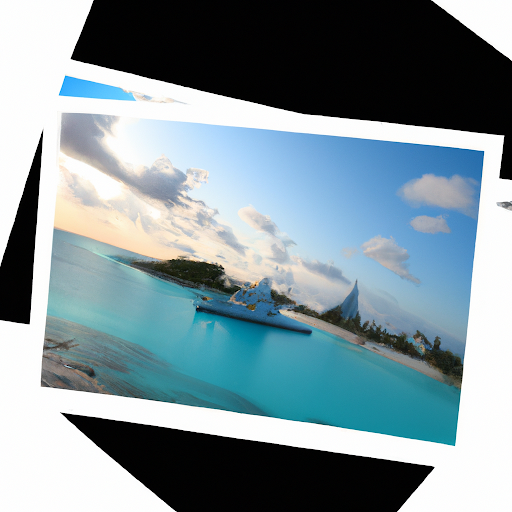
The Bahamas is an archipelago of 700 islands and cays located in the Atlantic Ocean, just off the coast of Florida. It is a popular tourist destination, known for its stunning beaches, crystal-clear waters, and vibrant culture.
The Bahamas is a great place to visit for a relaxing beach vacation. The islands are home to some of the most beautiful beaches in the world, with white sand and turquoise waters. The islands are also known for their excellent snorkeling and diving opportunities, with coral reefs and shipwrecks to explore.
The Bahamas is also a great place to experience the culture of the Caribbean. The islands are home to a vibrant mix of African, European, and Caribbean cultures, and visitors can experience the unique music, art, and cuisine of the region.
The Bahamas is also a great place to explore the outdoors. The islands are home to a variety of wildlife, including iguanas, flamingos, and sea turtles. There are also plenty of opportunities for hiking, biking, and kayaking.
The Bahamas is a great place to relax and unwind. The islands are home to a variety of resorts, spas, and hotels, offering everything from luxury accommodations to budget-friendly options. Visitors can also enjoy a variety of activities, such as golf, fishing, and sailing.
The Bahamas is a great place to visit for a relaxing beach vacation. With its stunning beaches, crystal-clear waters, vibrant culture, and outdoor activities, the Bahamas is a great destination for a memorable vacation.
Cost of Living and Currency in Bahamas
The currency of The Bahamas is the Bahamian dollar (BSD). It is pegged to the US dollar at a rate of 1:1, meaning that US dollars are also widely accepted in The Bahamas. However, it is advisable to have some Bahamian dollars in cash for small transactions.
The cost of living in The Bahamas is relatively high compared to many other countries in the region. Prices for imported goods, such as food, can be especially high due to import taxes and shipping costs. However, there are also many local goods and services that can be found at more reasonable prices.
In general, the cost of living in The Bahamas varies depending on the region and the type of lifestyle one leads. Nassau, the capital city, tends to be more expensive than other areas, while the Out Islands may be less expensive.
Accommodation, transportation, and food can all be relatively expensive in The Bahamas, especially for tourists. However, there are also budget options available, such as guesthouses and local restaurants, that can help to keep costs down.
Means of communication in Bahamas
There are several SIM card and Wi-Fi router rental services available for travelers in The Bahamas. Some of the major vendors are:
- BTC – The Bahamas Telecommunications Company: This is the largest telecom provider in The Bahamas and offers prepaid SIM cards for tourists. They have kiosks at the Lynden Pindling International Airport in Nassau as well as in other major tourist areas.
- Aliv: This is another telecom provider in The Bahamas that offers prepaid SIM cards for tourists. They have kiosks at the Lynden Pindling International Airport in Nassau as well as in other major tourist areas.
- Island Wi-Fi: This is a rental service that offers portable Wi-Fi routers for travelers in The Bahamas. They provide unlimited data and can deliver the routers to your hotel or other accommodation.
- My Webspot: This is another rental service that offers portable Wi-Fi routers for travelers in The Bahamas. They provide unlimited data and can deliver the routers to your hotel or other accommodation.
It is recommended to check with each vendor for the most up-to-date pricing and coverage information, as well as any restrictions on usage or activation.
Bahamas Languages and Greetings
The official language of The Bahamas is English, and most Bahamians speak Bahamian English. Here are some simple greetings in Bahamian English:
- Hello – “Hello” (pronounced “heh-lo”)
- Good morning – “Good mawnin” (pronounced “good mornin”)
- Good afternoon – “Good afternoon” (pronounced “good ah-fuh-noon”)
- Good evening – “Good evenin” (pronounced “good ev-nin”)
- Goodbye – “Goodbye” (pronounced “good-bye”)
- Thank you – “Thank ya” (pronounced “thank yuh”)
- Please – “Please” (pronounced “pleez”)
In addition, many Bahamians also use the Bahamian dialect, which includes some unique expressions and pronunciations. For example, “yes” is often pronounced “yaas” and “no” is pronounced “nuh.” If you are unsure about a particular word or phrase, don’t hesitate to ask for clarification. Most Bahamians are happy to help visitors understand their language and culture.
Food and Cuisine in Bahamas
The food culture of The Bahamas is heavily influenced by its geography and history. As an archipelago of islands located in the Caribbean, seafood and tropical fruits feature prominently in Bahamian cuisine. In addition, the cuisine has been shaped by the influence of African, British, and American cooking styles.
Some popular dishes in The Bahamas include:
- Conch fritters – Fried balls of dough mixed with chopped conch meat, a local mollusk. Often served with a spicy dipping sauce.
- Peas and rice – A staple side dish made with pigeon peas or black-eyed peas, rice, and often flavored with onion, thyme, and other seasonings.
- Bahamian mac and cheese – A baked macaroni and cheese dish that often includes additional ingredients such as diced ham or bacon.
- Grilled lobster – Fresh-caught Bahamian lobster, often split in half and grilled with butter and herbs.
- Goombay punch – A sweet, fruity drink made with pineapple, orange, and guava juices, often served with a splash of rum.
- Sky juice – A refreshing drink made with coconut water and condensed milk.
- Rum cake – A dense, moist cake made with rum-soaked dried fruits.
In addition to these dishes, visitors to The Bahamas can also try a variety of other seafood, tropical fruits, and locally made rum. The islands are also known for their seafood shacks and food stands, where visitors can sample fresh conch salad, fried fish, and other local specialties.
Bahamas climate and clothing
The Bahamas generally has a tropical climate with warm temperatures year-round. The temperature ranges from about 70°F (21°C) in the winter to 90°F (32°C) in the summer. The rainy season lasts from May to October, with the most rain typically falling in June and July. Hurricanes are a possibility from June to November, with the highest likelihood of storms in September and October.
For clothing, lightweight and breathable fabrics are recommended, as well as comfortable footwear for walking on sandy beaches and through tropical terrain. Casual beachwear is appropriate for most situations, although some resorts and restaurants may have dress codes requiring more formal attire. A hat and sunglasses are also recommended to protect from the strong sun.
For the rainy season, visitors should bring a raincoat or poncho, as well as waterproof shoes, as the streets may flood in some areas. It’s also recommended to bring insect repellent, especially for trips to more remote areas where mosquitoes may be more prevalent. Overall, the dress code is casual and relaxed in The Bahamas, with a focus on comfort and practicality in the warm, tropical climate.
Security and Situation in Bahamas
The Bahamas is generally a safe country for tourists, but like any destination, visitors should take common-sense precautions to ensure their safety.
Petty crime, such as pickpocketing and theft, can occur in popular tourist areas and on public transportation. Visitors should be aware of their surroundings and avoid carrying large amounts of cash or valuable items. It’s also recommended to use hotel safes to store passports and other important documents.
While violent crime is relatively rare in The Bahamas, visitors should exercise caution when walking alone at night or in remote areas. It’s also recommended to avoid certain neighborhoods in Nassau, such as Bain Town and Grants Town, which have higher crime rates.
In terms of natural disasters, The Bahamas is located in the hurricane belt and can be affected by severe weather during the Atlantic hurricane season, which lasts from June to November. Visitors should stay informed about weather conditions and follow local authorities’ instructions in the event of a storm.
Overall, The Bahamas is considered a safe destination for tourists, but visitors should exercise caution and take necessary precautions to ensure their safety.
Religion and Culture of Bahamas
The Bahamas is a diverse country with a rich cultural heritage that has been shaped by its history and geography. The majority of the population is Christian, with the Anglican Church being the largest denomination. Other Christian denominations, such as Baptists, Methodists, and Roman Catholics, are also well-represented.
In addition to Christianity, other religions are also present in The Bahamas, including Islam, Judaism, and the Baha’i Faith. The constitution of The Bahamas provides for freedom of religion, and religious diversity is generally respected.
Bahamian culture is a blend of West African, European, and indigenous influences. The country has a vibrant music scene, with genres such as junkanoo, rake and scrape, and calypso being popular. Junkanoo is a traditional Afro-Bahamian music and dance festival that takes place during the Christmas season, while rake and scrape is a percussive style of music that uses instruments such as the saw, goatskin drum, and accordion. Calypso is a style of music that originated in Trinidad and Tobago but is also popular in The Bahamas.
Cuisine is another important aspect of Bahamian culture, with seafood being a staple of the local diet. Conch is a popular ingredient in many dishes, including conch salad, conch fritters, and cracked conch. Other traditional Bahamian dishes include peas and rice, boiled fish, and johnnycakes.
Overall, Bahamian culture is a mix of different influences that have come together to create a unique and vibrant identity.
Transportation in Bahamas
The Bahamas has several transportation options for travelers, including:
- Taxis: Taxis are readily available throughout The Bahamas, and fares are regulated by the government. Taxis can be hailed on the street or at taxi stands, and most drivers are happy to provide sightseeing tours.
- Car Rentals: Car rentals are available at the airport and in major tourist areas, and driving is on the left side of the road. A valid driver’s license is required, and it is recommended to purchase insurance in case of accidents.
- Buses: Buses are available on some islands and are typically used by locals to get around. However, they may not run on a set schedule and can be unreliable for tourists.
- Ferries: Ferries are available for inter-island travel and can be a convenient way to visit different islands. Popular ferry services include Bahamas Ferries and Bahamas Fast Ferries.
- Air Travel: Air travel is also an option for getting around The Bahamas, with several airlines providing flights between islands. Some popular airlines include Bahamasair, Southern Air, and Sky Bahamas.
Overall, transportation in The Bahamas can be a bit challenging due to the lack of a comprehensive public transportation system. However, taxis and car rentals are readily available, and inter-island travel is made possible through ferry and air travel.
Major cities of Bahamas
The Bahamas is an archipelago of more than 700 islands, cays, and islets, but it has only a few cities. Here are three of the major cities in The Bahamas, along with an overview of each:
- Nassau: Nassau is the capital city of The Bahamas, located on New Providence Island. It is a major hub for tourism, with a population of around 260,000 people. The city offers many attractions, including the famous Junkanoo Beach, the Nassau Straw Market, the Queen’s Staircase, and the Atlantis Resort. The city is also known for its colonial architecture, street art, and vibrant nightlife.
- Freeport: Freeport is located on Grand Bahama Island, and it is the second-largest city in The Bahamas, with a population of around 50,000 people. The city is a popular tourist destination, and it offers many attractions, including the Lucayan National Park, the Port Lucaya Marketplace, and the Garden of the Groves. Freeport is also home to several beaches, including Taino Beach, Xanadu Beach, and Lucayan Beach.
- Marsh Harbour: Marsh Harbour is located on Great Abaco Island, and it is the largest town in the Abaco Islands, with a population of around 6,000 people. The town is a popular destination for boaters, and it offers many attractions, including the Abaco National Park, the Pelican Cays Land and Sea Park, and the Albury’s Ferry Service. Marsh Harbour is also known for its fishing, diving, and snorkeling opportunities.
Overall, each of these cities offers a unique experience for visitors, with plenty of attractions, beaches, and activities to enjoy.
コメント