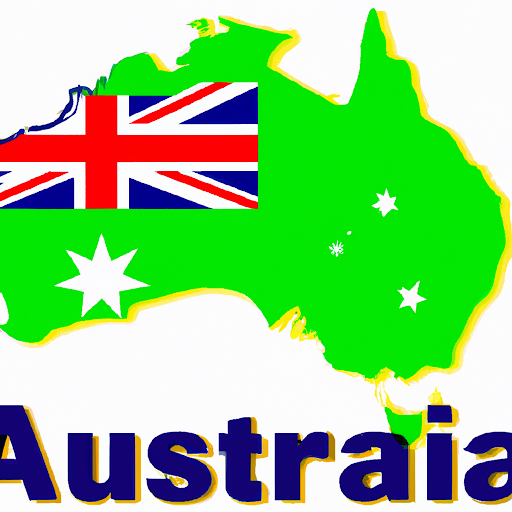
- About Australia
- Cost of Living and Currency in Australia
- Means of communication in Australia
- Australia Languages and Greetings
- Food and Cuisine in Australia
- Australia climate and clothing
- Security and Situation in Australia
- Religion and Culture of Australia
- Transportation in Australia
- Major cities of Australia
About Australia
Australia is a country located in the Southern Hemisphere, and is the sixth-largest country in the world. It is made up of six states and two territories, and is home to a diverse population of over 25 million people.
Australia is known for its unique wildlife, stunning landscapes, and vibrant culture. It is home to some of the world’s most iconic landmarks, such as the Sydney Opera House, the Great Barrier Reef, and Uluru.
The country is also renowned for its unique cuisine, which is a mix of traditional Aboriginal dishes and modern European-influenced dishes. Popular dishes include the classic Aussie barbie (barbecue), meat pies, and fish and chips.
Australia is a popular tourist destination, with millions of visitors each year. The country is home to some of the world’s most beautiful beaches, such as Bondi Beach in Sydney and Whitehaven Beach in the Whitsundays. It is also home to some of the world’s most unique wildlife, such as kangaroos, koalas, and wallabies.
The country is also known for its vibrant culture, with a variety of festivals and events taking place throughout the year. These include the Sydney Mardi Gras, the Melbourne International Arts Festival, and the Adelaide Fringe Festival.
Australia is also home to some of the world’s most renowned universities, such as the University of Sydney, the University of Melbourne, and the University of Queensland. The country is also home to some of the world’s most innovative companies, such as Google, Apple, and Microsoft.
Australia is a country with a rich history and culture, and is a great place to visit and explore. Whether you’re looking for stunning beaches, unique wildlife, vibrant culture, or world-class universities, Australia has something for everyone.
Cost of Living and Currency in Australia
Australia’s currency is the Australian dollar (AUD). It is abbreviated as “$” or “AUD” and is subdivided into 100 cents. The exchange rate between the AUD and other currencies fluctuates on a daily basis, depending on various economic factors.
The cost of living in Australia varies depending on the city and region, but in general, it is considered to be relatively high compared to other countries. Major cities like Sydney, Melbourne, and Brisbane are among the most expensive cities in the world. The cost of housing, transportation, and food is particularly high in these cities.
According to Numbeo, a cost of living database, the average monthly cost of living for a single person in Sydney is around AUD 2,900, while in Melbourne it’s around AUD 2,700. The cost of living in regional areas is generally lower, but it also depends on the specific location.
Some examples of the average cost of goods and services in Australia are:
- A loaf of bread: AUD 2.50
- A liter of milk: AUD 1.50
- A dozen eggs: AUD 5.00
- A one-way ticket on public transportation: AUD 4.00
- A movie ticket: AUD 20.00
Overall, while the cost of living in Australia may be high, it is also considered to be a relatively affluent country with a high standard of living, good healthcare, and excellent education system.
Means of communication in Australia
There are several SIM card and wifi router rental services available for travelers in Australia. Here are a few examples along with the names of the vendors:
- Telstra: Telstra is one of Australia’s largest telecommunications companies and offers a range of prepaid and postpaid SIM cards for travelers. They also provide pocket wifi devices that allow multiple devices to connect to the internet.
- Optus: Optus is another major telecommunications company in Australia that offers prepaid and postpaid SIM cards for travelers. They also provide pocket wifi devices and home wifi solutions.
- Vodafone: Vodafone is a global telecommunications company that also operates in Australia. They offer prepaid and postpaid SIM cards for travelers as well as pocket wifi devices.
- TravelSIM: TravelSIM is a company that specializes in providing international SIM cards for travelers. They offer a range of plans and options for Australia as well as other destinations.
- Rent ‘n Connect: Rent ‘n Connect is a global company that provides pocket wifi rental services for travelers. They offer pocket wifi devices that can be delivered to your hotel or other location in Australia.
There are also many other local vendors and smaller companies that offer SIM card and wifi router rental services for travelers in Australia. It’s a good idea to research and compare options to find the best deal and service for your needs.
Australia Languages and Greetings
The official language of Australia is English. However, due to its diverse population, many other languages are also spoken in the country, such as Mandarin, Arabic, Italian, Greek, and Vietnamese, among others.
Here are some simple greetings in English that you can use when visiting Australia:
- “Hello” – pronounced “heh-loh”
- “Hi” – pronounced “hahy”
- “Good morning” – pronounced “guhd mawr-ning”
- “Good afternoon” – pronounced “guhd ah-fuh-noon”
- “Good evening” – pronounced “guhd ee-vning”
- “How are you?” – pronounced “hau aa yoo?”
- “Fine, thanks. And you?” – pronounced “fain, thanks. And yoo?”
- “Nice to meet you” – pronounced “nais tu meet yoo”
- “Goodbye” – pronounced “guhd-bahy”
It’s worth noting that in some parts of Australia, particularly in rural or outback areas, locals may use some unique expressions or phrases that are not commonly used in other parts of the country. However, using these simple greetings should be enough to make a good first impression and start a conversation with most Australians.
Food and Cuisine in Australia
Australia’s food culture is diverse and influenced by the country’s multicultural population. The cuisine in Australia draws inspiration from various regions such as Asia, Europe, the Middle East, and the Americas, among others. The country’s vast and diverse landscape also influences the types of foods that are available, with seafood, meat, and vegetables being staples in many regions.
Some of the recommended foods and drinks to try in Australia include:
- Meat pies – a popular snack or meal that consists of a savory filling of minced meat and gravy baked inside a pastry crust.
- Fish and chips – a classic takeaway meal of battered or crumbed fish fillets and thick-cut chips (fries) usually served with tartar sauce and lemon wedges.
- Barbecue (BBQ) – Australians love to grill and BBQ, and it’s a common way of cooking meat, seafood, and vegetables, often served with salads or bread.
- Vegemite – a spread made from yeast extract, it’s a quintessentially Australian breakfast spread, usually spread on toast or bread.
- Lamingtons – a small sponge cake that is covered in chocolate icing and then rolled in coconut flakes.
- Pavlova – a dessert made of a meringue base topped with whipped cream and fresh fruit, such as kiwi, strawberries, and passionfruit.
- Australian wine – Australia is renowned for its wines, with the country’s wine regions producing a variety of award-winning wines, including Shiraz, Cabernet Sauvignon, Chardonnay, and Riesling.
- Beer – Australians also enjoy beer, with many local and international brands available. Some of the popular Australian beers include Victoria Bitter, Carlton Draught, and Tooheys.
Overall, Australia’s food culture is a melting pot of flavors and influences, with a range of tasty and unique dishes to try.
Australia climate and clothing
Australia is a large country with varying climates across its different regions. The country experiences different seasons at different times of the year. In general, the northern regions of Australia are tropical, while the southern regions have a more temperate climate.
Here is a general overview of the weather in Australia and what to wear:
- Summer (December-February): The summer months in Australia can be hot and humid in the northern regions, while the southern regions have milder temperatures. Lightweight clothing such as shorts, t-shirts, and dresses are suitable for most of the country during this time. Sunscreen, a hat, and sunglasses are also recommended to protect against the sun.
- Autumn (March-May): Autumn in Australia is generally mild to warm, with cooler temperatures in the southern regions. Lightweight clothing such as jeans, t-shirts, and a light jacket are appropriate for most regions during this time.
- Winter (June-August): The winter months in Australia can be cold and wet in some parts of the country, especially in the southern regions. Warm clothing such as sweaters, jackets, and pants are essential during this time, especially in the southern regions. In the northern regions, a lighter jacket or sweater may be sufficient.
- Spring (September-November): Spring in Australia is generally mild to warm, with cooler temperatures in the southern regions. Lightweight clothing such as jeans, t-shirts, and a light jacket are appropriate for most regions during this time.
Overall, it’s best to check the weather forecast for the specific region you are visiting in Australia and pack accordingly. It’s also a good idea to bring comfortable shoes and a waterproof jacket or umbrella, as rain can occur throughout the year in some parts of the country.
Security and Situation in Australia
Australia is generally a safe and secure country for visitors. The country has low crime rates, and incidents of violent crime are relatively rare. However, as with any destination, travelers should exercise common sense and take basic precautions to ensure their safety and security.
Here are some tips for staying safe while traveling in Australia:
- Be aware of your surroundings: Always be aware of your surroundings and avoid walking alone in unfamiliar or isolated areas, especially at night.
- Secure your belongings: Keep your valuables and important documents secure at all times, and never leave them unattended in public places.
- Follow local laws and customs: Familiarize yourself with local laws and customs, and always show respect for the local culture and traditions.
- Take care when using public transport: Use reputable taxi companies or ride-sharing services, and be cautious when using public transport at night or in remote areas.
- Stay informed: Stay up-to-date with local news and travel advisories, and follow any guidance or advice from local authorities.
Overall, Australia is a safe and welcoming destination for travelers. By taking basic precautions and using common sense, visitors can enjoy their trip to this beautiful country with peace of mind.
Religion and Culture of Australia
Australia is a multicultural society with a diverse mix of cultures, religions, and traditions. While Christianity is the dominant religion in Australia, there is also a significant number of people who practice other religions, including Buddhism, Islam, Hinduism, and Judaism, among others. Additionally, there is a growing number of people in Australia who do not identify with any particular religion.
Australia’s culture is influenced by its history and multicultural population. The Indigenous Australian culture is the oldest surviving culture in the world, with a rich history of art, music, storytelling, and spirituality. The country’s British colonial past has also left its mark on Australian culture, with English being the dominant language and many British traditions, such as cricket and afternoon tea, still prevalent.
Australia’s multicultural society has also contributed to a diverse and vibrant arts and culture scene. The country is known for its music, literature, film, and visual arts, with many talented artists and performers coming from a range of cultural backgrounds.
Overall, Australia is a multicultural and diverse country with a rich history and a unique mix of traditions and cultures. Visitors to Australia can experience this diversity through its food, music, arts, and cultural festivals.
Transportation in Australia
Australia has a variety of transportation options available for travelers, including:
- Air travel: Australia has a well-developed domestic air network, with major cities connected by numerous airlines. Some of the major airlines operating in Australia include Qantas, Virgin Australia, and Jetstar.
- Trains: Australia has a limited but efficient train network, with several long-distance services operating across the country. The most famous of these is the Indian Pacific, which runs from Sydney to Perth via Adelaide.
- Buses and coaches: Buses and coaches are a popular mode of transportation for both short and long-distance travel in Australia. Greyhound Australia is the largest bus company in the country, operating services to most major cities and towns.
- Cars: Renting a car is a popular option for travelers who want to explore Australia’s scenic routes and remote destinations. Major car rental companies, such as Hertz, Avis, and Budget, operate in Australia.
- Taxis and ride-sharing services: Taxis are widely available in major cities, while ride-sharing services, such as Uber and Ola, are also becoming increasingly popular.
- Ferries: Ferries operate in many coastal and island regions of Australia, including Sydney Harbor, the Great Barrier Reef, and Tasmania.
Public transportation, such as trains, buses, and trams, is also available in major cities, such as Sydney, Melbourne, Brisbane, and Perth. These systems are generally safe, efficient, and affordable, making them a convenient option for travelers. Overall, there are plenty of transportation options available in Australia to suit every traveler’s needs and budget.
Major cities of Australia
Here are the names and overviews of three major cities in Australia:
- Sydney: Sydney is Australia’s largest and most famous city, known for its iconic landmarks such as the Sydney Opera House and Sydney Harbour Bridge. It is located on the east coast of Australia and has a population of over 5 million people. Sydney is a cosmopolitan city with a vibrant arts and culture scene, world-class restaurants, and excellent shopping. Some of the top tourist attractions in Sydney include Bondi Beach, the Royal Botanic Garden, and the Taronga Zoo.
- Melbourne: Melbourne is Australia’s second-largest city and is known for its food, art, and sports. Located in the southeast of Australia, Melbourne has a population of over 4 million people. The city is renowned for its coffee culture and laneway art, and has a range of world-class museums, galleries, and theaters. Melbourne is also famous for its sports events, including the Australian Open Tennis Championships and the Melbourne Cup horse race.
- Brisbane: Brisbane is the capital of the state of Queensland and is located in the northeast of Australia. With a population of over 2 million people, Brisbane is known for its warm climate and relaxed lifestyle. The city has a vibrant music and arts scene, with many cultural festivals throughout the year. Brisbane is also a gateway to many popular tourist destinations in Queensland, including the Gold Coast and the Great Barrier Reef.
These are just three of the major cities in Australia, and each has its own unique culture and attractions to offer visitors.
コメント