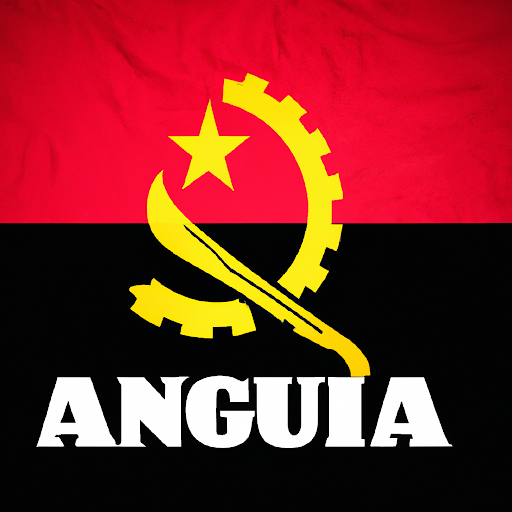
About Angola
Angola is a country located in the south-western region of Africa. It is bordered by Namibia to the south, the Democratic Republic of the Congo to the north, and Zambia to the east. Angola is the seventh-largest country in Africa, with an area of 1,246,700 square kilometers. It is the second-largest oil producer in sub-Saharan Africa, and its economy is heavily dependent on the oil industry.
The population of Angola is estimated to be around 30 million people, with the majority of the population living in the capital city of Luanda. The official language of Angola is Portuguese, although many other languages are spoken in the country, including Umbundu, Kimbundu, and Kikongo. The majority of the population is Christian, with a small Muslim minority.
Angola has a long and complex history, with the earliest inhabitants of the region being the Khoisan people. The Portuguese arrived in the 15th century and colonized the region, ruling it until 1975. During this period, Angola was a major source of slaves for the Portuguese Empire. After independence, Angola was embroiled in a civil war that lasted from 1975 to 2002. The war was fought between the ruling Popular Movement for the Liberation of Angola (MPLA) and the National Union for the Total Independence of Angola (UNITA). The war ended in 2002 with the signing of a peace agreement between the two sides.
Since the end of the civil war, Angola has made significant progress in rebuilding its economy and infrastructure. The country has seen strong economic growth in recent years, driven by the oil industry. The government has also made efforts to diversify the economy, with agriculture and tourism becoming increasingly important sectors.
Despite the progress made in recent years, Angola still faces many challenges. Poverty and inequality remain widespread, and the country is still recovering from the effects of the civil war. Corruption is also a major problem, and the government has been criticized for its lack of transparency and accountability.
Overall, Angola is a country with a long and complex history. It has made significant progress in recent years, but there is still much work to be done in order to improve the lives of its citizens. With the right policies and investments, Angola has the potential to become a prosperous and stable nation.
Cost of Living and Currency in Angola
The official currency of Angola is the Angolan Kwanza (AOA). As of February 2023, the exchange rate is approximately 1 USD to 799 AOA.
The cost of living in Angola varies depending on the location and the lifestyle of the individual. Luanda, the capital city, is known for its high cost of living, with prices for food, housing, and transportation being significantly higher than in other parts of the country. However, outside of Luanda, the cost of living is generally lower.
Some common expenses in Angola include:
- Rent: In Luanda, rent for a one-bedroom apartment in the city center can range from $1,000 to $3,000 per month, while outside of the city, rent can be significantly cheaper.
- Food: The cost of food can also vary depending on the location and whether you choose to eat at local markets or international supermarkets. In general, a meal at a local restaurant can cost around $5 to $10, while a meal at a more upscale restaurant can cost upwards of $30.
- Transportation: Taxis are a common mode of transportation in Angola, with fares starting at around $2.50 for a short ride. Longer rides or rides outside of the city can cost more. Public transportation options, such as buses, are also available and tend to be cheaper.
Overall, while the cost of living in Angola can be relatively high in certain areas, it is still generally considered to be a less expensive destination compared to other African countries.
Means of communication in Angola
There are several mobile network providers in Angola, including Movicel, Unitel, and Angola Telecom. These providers offer various data and voice plans for both prepaid and postpaid users.
For travelers, there are several options to get a SIM card in Angola. Visitors can buy a SIM card from any of the major providers at their official stores or authorized resellers. Some popular options for purchasing a SIM card in Angola include:
- Movicel: One of the largest mobile network providers in Angola, Movicel offers a range of data and voice plans for both prepaid and postpaid customers. Visitors can purchase a SIM card from any of their official stores or authorized resellers.
- Unitel: Another popular provider in Angola, Unitel also offers a range of data and voice plans for both prepaid and postpaid customers. Visitors can purchase a SIM card from any of their official stores or authorized resellers.
- Angola Telecom: Angola’s state-owned telecommunications company, Angola Telecom also offers SIM cards for visitors. Visitors can purchase a SIM card from their official stores or authorized resellers.
In terms of WiFi router rental services, there are a few options available through local providers or rental companies. However, availability and pricing may vary depending on the location and the provider. It is recommended to research and compare options before making a decision.
Angola Languages and Greetings
The official language of Angola is Portuguese, due to the country’s colonial history. However, there are also several Bantu languages spoken throughout the country, including Umbundu, Kimbundu, and Kikongo.
Here are some simple Portuguese greetings and their pronunciations:
- Olá (oh-LAH): Hello
- Bom dia (bohm DEE-ah): Good morning
- Boa tarde (boh-ah TAR-deh): Good afternoon
- Boa noite (boh-ah NOH-teh): Good evening/night
- Adeus (ah-DEH-oos): Goodbye
- Por favor (pohr fah-VOHR): Please
- Obrigado/a (oh-bree-GAH-doh/dah): Thank you (male/female)
- De nada (deh NAH-dah): You’re welcome
It’s worth noting that many Angolans also speak English and other local languages, so don’t be afraid to ask for assistance if needed.
Food and Cuisine in Angola
Angola’s food culture is a mix of African, Portuguese, and Brazilian influences. The cuisine of Angola is known for its use of fresh seafood, vegetables, and tropical fruits. One of the most popular dishes in Angola is “muamba de galinha,” which is a chicken stew cooked with palm oil, okra, and spices.
Other traditional dishes in Angola include “calulu,” which is a stew made with fish, onions, tomatoes, and cassava leaves; “feijão de óleo de palma,” which is a bean stew made with palm oil; and “pirão,” which is a porridge-like dish made with cassava flour.
As for drinks, Angolans enjoy a wide variety of tropical fruit juices and teas, as well as “caipirinhas,” which are made with cachaça (a type of sugarcane liquor), sugar, and lime. Angolan beer, such as Cuca and N’gola, is also quite popular.
In addition to traditional Angolan cuisine, there are also many international restaurants and fast food chains available in major cities like Luanda, although these can be more expensive.
Angola climate and clothing
Angola’s climate varies from region to region, but in general, it is warm and tropical, with distinct wet and dry seasons. The coastal regions tend to be more temperate, while the interior can be quite hot and dry.
The rainy season generally lasts from October to April, while the dry season is from May to September. During the rainy season, temperatures tend to be lower and humidity higher, while the dry season can bring high temperatures and lower humidity.
When visiting Angola, it’s a good idea to bring lightweight, breathable clothing that will keep you cool and comfortable in the heat. During the rainy season, you’ll also want to bring waterproof gear, including a rain jacket or poncho.
In some areas, especially in the interior, it can get chilly at night, so it’s a good idea to bring a light jacket or sweater. It’s also important to bring sturdy, comfortable shoes for walking, as well as sun protection like a hat, sunglasses, and sunscreen.
Security and Situation in Angola
Angola has experienced periods of political instability and conflict in the past, but it has made significant progress towards stability and peace in recent years. The government has taken steps to improve security, and the country is generally safe for tourists. However, travelers should exercise caution and be aware of their surroundings, especially in crowded areas and at night.
Petty crime such as pickpocketing and theft can occur in major cities, so it is important to be vigilant and keep valuables secure. It is also advisable to avoid any demonstrations or protests, as they can sometimes turn violent.
In some regions of Angola, there are still remnants of landmines and unexploded ordnance from past conflicts. Travelers are advised to stay on well-traveled roads and paths and to avoid touching or moving any suspicious objects.
Overall, it is important for travelers to exercise caution and stay informed about the situation in Angola before and during their trip.
Religion and Culture of Angola
Angola is a country with a rich and diverse cultural heritage, influenced by indigenous traditions as well as Portuguese colonialism and Christian missionaries. The official language is Portuguese, which was introduced during the colonial period and is still widely spoken today, although many other languages and dialects are also used throughout the country.
Angola is a predominantly Christian country, with the Roman Catholic Church being the largest denomination, followed by various Protestant denominations. Traditional African religions also have a significant presence in the country, especially in rural areas.
Angolan culture is marked by a vibrant music and dance scene, with various traditional styles blending with more modern genres such as hip hop and kizomba. Art and literature also play an important role in the country’s cultural heritage, with many Angolan artists gaining international recognition.
Traditional Angolan cuisine is influenced by the country’s geography and climate, with seafood, rice, and beans being staple ingredients. One popular dish is moamba de galinha, a chicken stew made with palm oil and peanuts. Other traditional dishes include calulu, a fish or meat stew with vegetables and cassava leaves, and funge, a starchy porridge made from cassava flour.
Overall, Angola is a country with a rich cultural heritage and a unique blend of African and European influences.
Transportation in Angola
In Angola, transportation options include taxis, buses, trains, and private cars. However, the transportation infrastructure is not very developed, particularly outside of major cities, and roads can be in poor condition.
Taxis are widely available in major cities and are generally inexpensive. However, it is important to negotiate the fare in advance, as taxis do not typically have meters. Buses are also available for longer trips between cities, but they can be overcrowded and uncomfortable.
Trains are another option for travel within Angola, with routes connecting major cities like Luanda, Benguela, and Lubango. However, train travel can be slow and unreliable, with frequent delays and cancellations.
Private cars are available for rent in Angola, but they can be expensive and require a valid driver’s license from your home country. It is also worth noting that the quality of the roads outside of major cities is poor, so driving can be challenging and potentially dangerous.
Overall, while transportation options do exist in Angola, they can be limited and may require some patience and flexibility. It is important to take precautions while traveling, particularly at night and in more remote areas.
Major cities of Angola
Here are three major cities in Angola and an overview of each:
- Luanda: Luanda is the capital and largest city in Angola, with a population of over 8 million people. The city is located on the Atlantic coast and is an important port for the country. It is a vibrant city with a mix of modern and colonial architecture, and has a rich cultural heritage. Luanda is also known for its nightlife, with many bars and restaurants offering a variety of cuisines.
- Huambo: Huambo is the second-largest city in Angola, located in the central part of the country. It has a population of over 1 million people and is an important commercial and industrial center. Huambo is known for its scenic beauty, with many parks and gardens, as well as historic sites such as the Christ the King statue and the Huambo Cathedral.
- Lobito: Lobito is a coastal city located in western Angola, with a population of over 200,000 people. It is an important port and industrial center, and is known for its beaches and recreational activities such as fishing and surfing. Lobito is also home to several historic buildings, including the Lobito Railway Station, which is a UNESCO World Heritage Site.
コメント