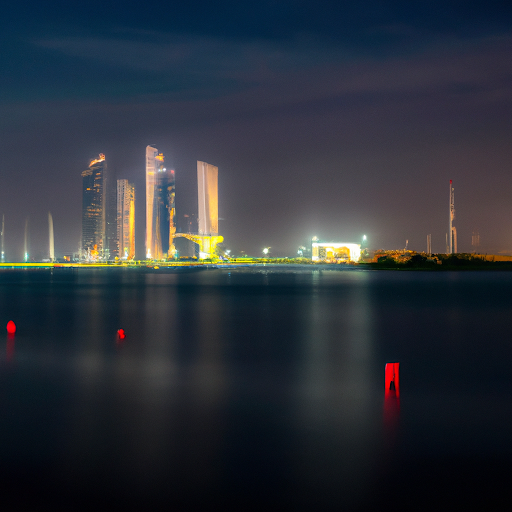
About UAE
The United Arab Emirates (UAE) is a country located in the Middle East, on the Arabian Peninsula. It is bordered by Saudi Arabia to the west and south, and Oman to the east and northeast. The UAE is a federation of seven emirates, each with its own ruler. The seven emirates are Abu Dhabi, Dubai, Sharjah, Ajman, Umm Al Quwain, Ras Al Khaimah, and Fujairah.
The UAE is a modern and rapidly developing country. It is home to some of the world’s most luxurious hotels, shopping malls, and entertainment venues. The country is also known for its oil and gas reserves, which have made it one of the wealthiest countries in the world.
The UAE is a popular tourist destination, with its stunning beaches, vibrant cities, and unique culture. The country is also home to some of the world’s most iconic landmarks, such as the Burj Khalifa, the world’s tallest building, and the Palm Jumeirah, an artificial archipelago in the shape of a palm tree.
The UAE is a major business hub, with a thriving economy and a large expatriate population. The country is home to many multinational corporations, and is a major center for trade and finance. The UAE is also a major hub for the aviation industry, with two of the world’s busiest airports located in Dubai and Abu Dhabi.
The UAE is a culturally diverse country, with a population made up of people from all over the world. The country is home to a variety of religions, including Islam, Christianity, Hinduism, and Buddhism. The UAE is also home to a large number of expatriates, who make up a significant portion of the population.
The UAE is a safe and secure country, with a low crime rate and a strong commitment to human rights. The country is also known for its progressive laws and regulations, which have helped to create a modern and prosperous society.
The UAE is a fascinating country, with a rich history and culture. It is a country that is constantly evolving, and is sure to remain a popular destination for tourists and business travelers alike.
Cost of Living and Currency in UAE
The currency of the United Arab Emirates (UAE) is the UAE dirham (AED). The dirham is divided into 100 fils, and there are coins in denominations of 1, 5, 10, 25 and 50 fils, as well as notes in denominations of 5, 10, 20, 50, 100, 200, 500 and 1000 dirhams.
The cost of living in the UAE varies depending on the city and the individual’s lifestyle. The cost of accommodation, food, and transportation can be high, especially in popular areas such as Dubai and Abu Dhabi. However, the UAE offers tax-free salaries and a high standard of living, which can offset the high cost of living.
In terms of accommodation, the cost of renting a one-bedroom apartment in Dubai can range from AED 3,000 to AED 8,000 per month, while in Abu Dhabi it can range from AED 2,500 to AED 7,000 per month. The cost of food can also vary, but generally, eating out at a restaurant can range from AED 30 to AED 150 per meal, while groceries can cost around AED 800 to AED 1,200 per month for a single person. Transportation costs can also add up, with a monthly metro pass in Dubai costing around AED 250, and a monthly bus pass in Abu Dhabi costing around AED 80.
Overall, the cost of living in the UAE can be high, but the country also offers many amenities and a high standard of living.
Means of communication in UAE
There are several options for travelers looking for SIM card and wifi router rental services in the UAE. Some popular vendors include:
- Du: Du is one of the largest telecommunications providers in the UAE and offers a range of mobile and data plans for travelers. They have several locations throughout the country, including at Dubai International Airport.
- Etisalat: Etisalat is another major telecommunications provider in the UAE and offers a range of mobile and data plans for travelers. They have several locations throughout the country, including at Abu Dhabi International Airport.
- Vodafone: Vodafone is a global telecommunications company that operates in the UAE and offers SIM cards and data plans for travelers. They have several locations throughout the country, including at Dubai International Airport.
- Wifi UAE: Wifi UAE is a government-sponsored initiative that provides free wifi hotspots throughout the country. While the service is not as fast or reliable as a dedicated data plan, it can be a good option for travelers on a budget.
- Skyroam: Skyroam is a portable wifi hotspot that allows travelers to access high-speed internet in over 130 countries, including the UAE. The device can be rented or purchased online before your trip and is delivered to your doorstep.
It’s important to note that some of these services may require a passport or Emirates ID for registration. It’s also a good idea to compare prices and plans before choosing a provider, as rates and coverage can vary.
UAE Languages and Greetings
The official language of the UAE is Arabic, although English is also widely spoken and understood, especially in cities like Dubai and Abu Dhabi. Here are some simple Arabic greetings and how to pronounce them:
- Hello – Marhaba (mar-ha-ba)
- Goodbye – Ma’a Salama (ma-a sa-la-ma)
- Thank you – Shukran (shoo-kran)
- Please – Min Fadlak (min fad-lak)
- Yes – Na’am (na-am)
- No – Laa (la)
In addition to these basic greetings, it’s also common to exchange “salaam alaikum” (sa-laam al-aik-um) which means “peace be upon you” and the response is “wa alaikum salaam” (wa al-aik-um sa-laam) which means “and peace be upon you too.”
Food and Cuisine in UAE
The UAE has a diverse food culture influenced by its history and geographic location. Traditional Emirati cuisine includes meat, fish, rice, and spices, but the country is also known for its international cuisine and fusion dishes. Here are some recommended foods and drinks to try in the UAE:
- Machboos – A traditional Emirati rice dish that is flavored with saffron, spices, and meat or seafood.
- Shawarma – A popular street food made with marinated meat (usually chicken or beef) that is shaved off a rotating spit and served in a wrap or pita bread with vegetables and sauce.
- Hummus – A Middle Eastern dip made from chickpeas, tahini, lemon juice, and garlic. It’s often served as an appetizer with bread or vegetables.
- Luqaimat – A sweet, doughy dessert that is fried and then drizzled with sweet syrup or honey.
- Arabic coffee – A strong coffee flavored with cardamom and served in small cups with dates.
In addition to these traditional dishes, the UAE is also known for its international cuisine, such as Indian, Lebanese, and Iranian food. It’s also common to find fusion dishes that blend different cuisines together, such as sushi with Arabic flavors or burgers with Middle Eastern spices.
UAE climate and clothing
The weather in the UAE is hot and sunny most of the year, with very little rainfall. The summer months (June to September) are particularly hot, with temperatures often reaching over 40°C (104°F), while the winter months (December to February) are cooler, with average temperatures around 25°C (77°F). Humidity can also be high, especially during the summer.
When it comes to what to wear in the UAE, it’s important to dress conservatively, particularly in public places or when visiting mosques or other religious sites. Women should cover their shoulders and wear long skirts or pants, while men should wear long pants and shirts with sleeves. Swimwear is generally acceptable on the beach or by the pool, but not in other public areas.
It’s also important to wear sunscreen and a hat or other protective gear when outside, as the sun can be intense. Additionally, during the summer months, it’s recommended to avoid spending too much time outside during the hottest parts of the day, and to stay hydrated by drinking plenty of water.
Security and Situation in UAE
The UAE is generally considered a safe country with a low crime rate. The government takes security seriously and has implemented a number of measures to ensure the safety of both residents and visitors.
However, as with any country, there is always a risk of terrorism or other security threats. The UAE has been a target of terrorist attacks in the past, and the government maintains a strong security presence to mitigate this risk.
In addition, the UAE has strict laws and regulations governing behavior and activities, particularly when it comes to issues like alcohol and drugs, public displays of affection, and criticism of the government or religion. Visitors are advised to be aware of these laws and to respect local customs and traditions.
Overall, while the UAE is generally considered a safe destination, visitors should exercise caution and stay alert to their surroundings, particularly in crowded areas or tourist hotspots. It’s also a good idea to stay informed of any potential security risks or travel advisories before and during your trip.
Religion and Culture of UAE
The United Arab Emirates (UAE) is a country located in the Middle East, and its religion and culture are influenced by Islam, which is the official religion of the country. The majority of the population in the UAE are Muslims, with Sunni Islam being the predominant sect. However, the country also has a significant population of expatriates from various countries and religions, including Hinduism, Christianity, and Buddhism.
Islam plays a significant role in the culture of the UAE, influencing many aspects of daily life. The UAE follows Islamic customs and practices, including observing the five daily prayers, fasting during the month of Ramadan, and giving Zakat (charity) to the needy. The country also follows the Islamic calendar, which is based on the lunar cycle.
The culture of the UAE is a blend of traditional Arab and Islamic elements with modern influences. Family values and hospitality are highly valued in Emirati culture, and the extended family plays an important role in society. Respect for elders and authority figures is also an integral part of Emirati culture.
The traditional clothing of the UAE is the abaya and the kandura, which are loose-fitting, long garments worn by women and men, respectively. The UAE is also known for its traditional dance called the Al Ayala, which is performed during weddings and other celebrations.
The UAE is home to several UNESCO World Heritage Sites, including the Al Ain Oasis and the Cultural Sites of Al Ain. The country is also known for its modern architecture, such as the Burj Khalifa, the world’s tallest building, and the Sheikh Zayed Grand Mosque, which is one of the largest mosques in the world.
In summary, the UAE’s religion and culture are heavily influenced by Islam, with a strong emphasis on family values, hospitality, and respect for authority figures. The country’s unique blend of traditional and modern elements has created a rich cultural tapestry that is celebrated by Emiratis and visitors alike.
Transportation in UAE
The United Arab Emirates (UAE) has a well-developed transportation infrastructure, including a range of options for getting around the country.
- Cars: Cars are the most common mode of transportation in the UAE. There are a variety of car rental companies available in the country, and the road network is well-maintained and extensive, with modern highways connecting major cities.
- Taxis: Taxis are widely available in the UAE and are a popular mode of transportation for both locals and tourists. Taxis are metered, and fares are regulated by the government.
- Buses: Buses are another affordable mode of transportation in the UAE. The bus network covers most major cities and towns in the country and is operated by the government-owned company, the Roads and Transport Authority (RTA).
- Metro: The Dubai Metro is a fully automated, driverless metro system that operates in Dubai. The network comprises two lines and covers many popular tourist destinations in the city.
- Trams: The Dubai Tram is a modern, electric tram system that operates in Dubai’s Marina and Jumeirah Beach Residences areas.
- Water Taxis: Water taxis, or Abras, are a traditional mode of transportation in Dubai and are popular with tourists. They operate on Dubai Creek and provide an affordable way to travel between the old and new parts of the city.
- Airplanes: The UAE has several international airports, including Dubai International Airport and Abu Dhabi International Airport, which are major transportation hubs connecting the country to destinations around the world.
Overall, the UAE has a range of transportation options available, from modern metro systems to traditional water taxis, making it easy for visitors to explore the country and its many attractions.
Major cities of UAE
Here are three major cities in the United Arab Emirates and an overview of each:
- Dubai: Dubai is the largest city in the UAE and is known for its futuristic skyscrapers, luxurious shopping malls, and extravagant lifestyle. Located on the coast of the Arabian Gulf, Dubai is a popular tourist destination with attractions such as the Burj Khalifa, the world’s tallest building, the Dubai Mall, the largest mall in the world, and the Palm Jumeirah, an artificial island that is home to some of the world’s most luxurious hotels. Dubai is also a hub for business, finance, and international trade, with its strategic location between Europe, Asia, and Africa.
- Abu Dhabi: Abu Dhabi is the capital of the UAE and the second-largest city in the country. Located on the Arabian Gulf coast, Abu Dhabi is known for its impressive skyline, stunning beaches, and cultural landmarks. The city is home to many significant cultural sites, such as the Sheikh Zayed Grand Mosque, the largest mosque in the country, and the Louvre Abu Dhabi, a world-renowned museum. Abu Dhabi is also a hub for business and industry, with a strong focus on oil and gas production.
- Sharjah: Sharjah is the third-largest city in the UAE and is located on the Arabian Gulf coast. Known as the cultural capital of the UAE, Sharjah is home to many museums and cultural institutions, including the Sharjah Museum of Islamic Civilization and the Sharjah Art Museum. The city also has a rich history and is home to many historic sites, such as the Al Hisn Fort and the Sharjah Heritage Area. Sharjah is also a popular destination for families, with attractions such as the Sharjah Aquarium and the Al Majaz Waterfront, a scenic waterfront development with parks, restaurants, and entertainment venues.
Overall, these three major cities offer a diverse range of experiences and attractions, from the futuristic skyscrapers of Dubai to the cultural landmarks of Abu Dhabi and the historic sites of Sharjah.

コメント