About Namibia
Namibia is a country located in southern Africa, bordered by Angola, Botswana, Zambia, and South Africa. It is a land of vast deserts, rugged mountains, and stunning wildlife. With a population of just over 2.5 million people, Namibia is one of the least densely populated countries in the world.
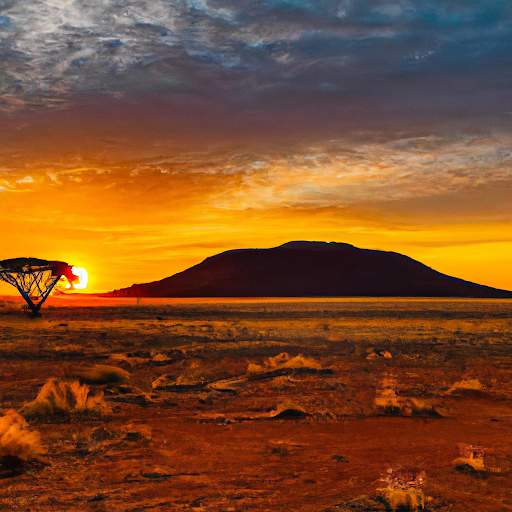
Namibia is a country of great natural beauty and diversity. The Namib Desert, located in the west of the country, is one of the oldest deserts in the world and is home to some of the most spectacular sand dunes in the world. The Kalahari Desert, located in the east of the country, is a vast expanse of savannah and grasslands. The Etosha National Park, located in the north of the country, is home to a wide variety of wildlife, including lions, elephants, rhinos, and cheetahs.
Namibia is a country with a rich cultural heritage. The Himba people, who live in the north of the country, are renowned for their traditional dress and lifestyle. The Herero people, who live in the central and western parts of the country, are known for their colorful traditional clothing and their unique language. The San people, who live in the south of the country, are renowned for their ancient rock art.
Namibia is a country with a strong economy. It is one of the most prosperous countries in Africa, with a GDP per capita of over $7,000. The country is rich in natural resources, including diamonds, uranium, copper, and gold. Tourism is also an important part of the economy, with visitors coming to experience the country’s stunning landscapes and wildlife.
Namibia is a country with a vibrant and diverse culture. The country is home to a wide variety of languages, including English, Afrikaans, German, and Oshiwambo. Music and dance are an important part of the culture, with traditional music and dance styles such as the Damara, Herero, and San. Namibia is also home to a wide variety of art, including traditional crafts such as basket weaving and pottery.
Namibia is a country with a bright future. With its rich natural resources, vibrant culture, and strong economy, the country is well-positioned to become a major player in the African continent. With its stunning landscapes, diverse wildlife, and welcoming people, Namibia is a country that is sure to captivate visitors from all over the world.
Cost of Living and Currency in Namibia
Namibia’s currency is the Namibian dollar (NAD), which has been the official currency of Namibia since 1993 when the country gained independence from South Africa. The NAD is divided into 100 cents and is available in denominations of 10, 20, 50, 100, and 200 dollars, as well as 5, 10, 50 cents.
In terms of the cost of living in Namibia, it is generally considered to be relatively high compared to other African countries. The cost of living can vary depending on the location, with urban areas such as Windhoek and Swakopmund being more expensive than rural areas. Generally speaking, the cost of goods and services in Namibia is similar to that of Western countries, particularly when it comes to imported items.
Housing is typically the largest expense for most people in Namibia. Rent for a one-bedroom apartment in a central location in Windhoek can cost anywhere from NAD 5,000 to NAD 8,000 per month, while a three-bedroom house in a desirable neighborhood can cost upwards of NAD 20,000 per month. Food prices can also be relatively high, particularly for imported items. A basic meal in a restaurant can cost between NAD 60 and NAD 120, while a loaf of bread can cost around NAD 10.
Transportation costs can also add up, particularly if you need to drive a car. Gasoline prices in Namibia are relatively high, with a liter of fuel costing around NAD 13. Public transportation is available in the form of buses and taxis, but it is generally considered to be unreliable and not particularly safe.
Overall, while the cost of living in Namibia can be high, it is possible to live comfortably on a reasonable budget. It is important to keep in mind that salaries in Namibia are generally lower than in Western countries, so it is important to budget accordingly.
Means of communication in Namibia
There are several SIM card and WiFi router rental services available for travelers in Namibia, including:
- MTC Namibia: MTC Namibia is the largest mobile network operator in Namibia and offers a variety of prepaid and postpaid SIM card options for visitors. They also offer mobile WiFi router rentals with daily or weekly data packages.
- Telecom Namibia: Telecom Namibia is the second-largest mobile network operator in Namibia and offers both prepaid and postpaid SIM card options for travelers. They also offer WiFi hotspot rentals with daily or weekly data packages.
- Africell Namibia: Africell Namibia is a newer mobile network operator in Namibia and offers prepaid and postpaid SIM card options for visitors. They also offer portable WiFi router rentals with daily or weekly data packages.
- Skyroam: Skyroam is a global WiFi hotspot provider that offers portable WiFi routers for rent in Namibia. The routers come with unlimited data and can connect up to five devices at once.
- Tep Wireless: Tep Wireless is another global WiFi hotspot provider that offers portable WiFi routers for rent in Namibia. The routers come with unlimited data and can connect up to five devices at once.
It is important to note that availability and pricing may vary depending on the vendor and the location within Namibia. It is recommended to research and compare options before making a decision.
Namibia Languages and Greetings
Namibia has many different languages, with English being the official language. However, there are several indigenous languages spoken in the country as well. Here are some of the most common languages spoken in Namibia, along with simple greetings and their pronunciation:
- Oshiwambo: Oshiwambo is the most widely spoken indigenous language in Namibia.
- Hello: Ondi mbele (pronounced “on-dee mbay-lay”)
- How are you?: Ondi po? (pronounced “on-dee poh”)
- I’m fine, thank you: Ndapandula, ahee (pronounced “nda-pan-doo-la, ah-hee”)
- Damara/Nama: The Damara and Nama languages are both spoken by ethnic groups in Namibia.
- Hello: !Gai tses (pronounced “!guy tseh-s”)
- How are you?: !Gai !nâ (pronounced “!guy nah”)
- I’m fine, thank you: !Kheis (pronounced “!khay-s”)
- Afrikaans: Afrikaans is a language spoken by a small minority of Namibians, primarily of South African descent.
- Hello: Hallo (pronounced “hah-loh”)
- How are you?: Hoe gaan dit? (pronounced “ho-uh gahn dit”)
- I’m fine, thank you: Ek is goed, dankie (pronounced “eck iss goed, dung-key”)
- Herero: Herero is a language spoken by the Herero people of Namibia.
- Hello: Okutjiua (pronounced “oh-koo-tee-wa”)
- How are you?: Otjikaendje (pronounced “oh-chee-kay-ndje”)
- I’m fine, thank you: Ndandu kaonde (pronounced “n-dan-doo kah-on-day”)
- Khoekhoe: Khoekhoe is a language spoken by the Khoisan people of Namibia.
- Hello: !Gâi !nas (pronounced “!guy nahs”)
- How are you?: !Gâi !nâ (pronounced “!guy nah”)
- I’m fine, thank you: !Gâi !toma (pronounced “!guy toh-mah”)
It is always a good idea to learn a few basic phrases in the local language when traveling to a foreign country. This can help you communicate with locals and show respect for their culture.
Food and Cuisine in Namibia
Namibian cuisine is heavily influenced by the country’s German colonial past, as well as its indigenous cultures. The food culture in Namibia is centered around meat, particularly beef, game meat, and fish, and is often grilled or barbecued. There are also several traditional dishes that are unique to Namibia.
Here are some recommended foods and drinks to try in Namibia:
- Biltong: Biltong is a popular snack in Namibia made from dried, cured meat. It is similar to beef jerky, but has a different texture and flavor.
- Braaivleis: Braaivleis is the Afrikaans word for grilled meat, which is a staple in Namibian cuisine. Beef, game meat, and fish are all popular choices for braaivleis.
- Potjiekos: Potjiekos is a traditional meat stew that is cooked over an open flame in a cast-iron pot. The stew is made with a variety of meats, vegetables, and spices.
- Kapana: Kapana is a street food that is popular in Namibia. It consists of grilled beef or goat meat that is served with onions, chili peppers, and a special seasoning sauce.
- Mopane worms: Mopane worms are a traditional delicacy in Namibia. These are caterpillars that are usually fried or boiled and are said to have a nutty flavor.
- Oshikundu: Oshikundu is a traditional Namibian drink made from fermented millet. It is slightly sour and is often served at social gatherings.
- Windhoek Lager: Windhoek Lager is the most popular beer in Namibia. It is a light, refreshing lager that is perfect for a hot day.
- Amarula: Amarula is a cream liqueur that is made from the fruit of the marula tree. It has a sweet, caramel flavor and is often served over ice.
Overall, Namibia’s food culture is diverse and influenced by many different cultures. From grilled meats to traditional stews and unique delicacies, there is something for everyone to try in Namibia.
Namibia climate and clothing
Namibia has a dry and arid climate, with temperatures that can be quite hot during the day and cold at night. The country experiences two main seasons: a dry season from May to October, and a wet season from November to April.
During the dry season, temperatures can reach up to 35°C (95°F) during the day, but can drop to below freezing at night in some parts of the country. The wet season is generally cooler, with temperatures averaging around 25°C (77°F) during the day. The rainfall is generally heaviest in the north and eastern parts of the country.
When it comes to what to wear in Namibia, it is important to dress in layers to prepare for the fluctuating temperatures. Light, breathable clothing is recommended for the daytime, along with a hat and sunglasses to protect against the strong sun. In the evenings, a light jacket or sweater is recommended, especially during the cooler months.
If you are planning to visit Namibia’s national parks or other outdoor areas, it is important to wear sturdy, closed-toe shoes for hiking or walking on uneven terrain. Insect repellent is also recommended to protect against mosquitoes and other insects.
Overall, dressing appropriately for the weather and activities is key when visiting Namibia. By planning ahead and packing the right clothing and accessories, you can enjoy your trip comfortably and safely.
Security and Situation in Namibia
Namibia is generally considered to be a safe country for tourists to visit, with a relatively low crime rate compared to other African countries. However, as with any travel destination, it is important to take certain precautions to ensure your safety.
Petty crime such as pickpocketing and theft can occur, particularly in tourist areas and busy public places. It is important to keep valuables such as passports, cameras, and phones secure and out of sight. Avoid carrying large sums of cash and be aware of your surroundings at all times.
While Namibia is considered safe overall, there are some areas that should be avoided due to potential security risks. These include the northern border areas with Angola, as well as the Caprivi Strip, which borders Botswana, Zambia, and Zimbabwe. The area around the Angolan border is known to have unexploded landmines left over from past conflicts, and visitors should take care to stay on marked roads and paths.
Namibia is also prone to occasional incidents of political unrest and civil disturbances, particularly around elections. Visitors should monitor local news and avoid any large gatherings or demonstrations.
It is also important to note that Namibia has a high prevalence of HIV/AIDS, and visitors should take precautions to protect themselves.
Overall, by taking sensible precautions and being aware of potential risks, visitors can enjoy a safe and enjoyable trip to Namibia. It is always a good idea to check the latest travel advisories from your government before traveling.
Religion and Culture of Namibia
Namibia has a diverse culture and religious landscape, shaped by its history of colonization, tribal traditions, and contemporary influences. Christianity is the predominant religion in Namibia, with approximately 80% of the population identifying as Christian, mostly Protestant or Catholic. Traditional indigenous beliefs and practices also play a significant role in Namibian culture.
The Himba people, who live in the remote regions of northwestern Namibia, are known for their traditional way of life and distinctive appearance, characterized by their intricate hairstyles and use of ochre pigments on their skin. The Himba practice ancestor worship and believe in a spirit world that coexists with the physical world.
The Herero people, who are concentrated in central and northern Namibia, also have a rich cultural heritage. They are known for their brightly colored Victorian-style dresses and cattle herding traditions. The Herero also practice ancestor worship and believe in a supreme being called Mukuru.
Namibia’s German colonial past has also left a lasting influence on the country’s culture. Many German architectural styles can still be seen in Namibia’s cities and towns, and German is still spoken by some Namibians.
Music and dance are an important part of Namibian culture, with traditional tribal dances such as the Oshiwambo and Herero dances still performed at cultural events and celebrations. Namibian musicians have also gained international recognition, with genres such as Namibian kwaito and Afro-pop gaining popularity.
Overall, Namibia’s culture is a rich and diverse tapestry of traditions, beliefs, and influences from its indigenous peoples, colonial history, and contemporary society.
Transportation in Namibia
Namibia has a variety of transportation options available for both locals and tourists. Here are some of the most common modes of transportation in Namibia:
- Car rental: Car rental is a popular option for travelers in Namibia, as it provides flexibility and allows for self-guided exploration of the country. Most major car rental companies have offices in Windhoek and other major towns, and there are also local car rental companies available. It is important to note that Namibia has vast distances between destinations and many of the roads are unpaved, so a four-wheel drive vehicle is recommended for off-road driving.
- Taxi: Taxis are readily available in most cities and towns in Namibia, and they can be a convenient and affordable way to get around. However, it is important to negotiate the fare before getting into the taxi.
- Bus: Buses are the most common form of public transportation in Namibia, and they connect most major towns and cities. However, the bus system can be unreliable and the buses may be crowded and uncomfortable.
- Domestic Flights: Domestic flights are available between major cities in Namibia, such as Windhoek, Swakopmund, and Walvis Bay. Several airlines offer regular flights between these destinations.
- Train: Although there are limited train services in Namibia, there are scenic train routes available, such as the Desert Express, which runs between Windhoek and Swakopmund.
When using public transportation, it is important to keep in mind that schedules and routes may be subject to change, and it is always a good idea to confirm with locals or your hotel before embarking on a journey.
Major cities of Namibia
Here are three major cities in Namibia and an overview of each:
- Windhoek: Windhoek is the capital and largest city in Namibia, located in the central region of the country. The city has a population of over 350,000 and is the political, economic, and cultural center of Namibia. Windhoek has a mix of modern and colonial architecture, with highlights including the Christuskirche, Tintenpalast (Parliament Building), and the National Museum of Namibia. The city is also known for its restaurants, cafes, and nightlife.
- Swakopmund: Swakopmund is a coastal city in western Namibia, located on the Atlantic Ocean. The city has a population of approximately 45,000 and is a popular tourist destination due to its beaches, German colonial architecture, and outdoor activities such as sandboarding and skydiving. Highlights include the Swakopmund Museum, the Swakopmund Jetty, and the Kristall Galerie (Crystal Gallery).
- Walvis Bay: Walvis Bay is another coastal city in Namibia, located south of Swakopmund. The city has a population of approximately 100,000 and is known for its natural beauty and outdoor activities such as dolphin and whale watching. Highlights include the Walvis Bay Waterfront, the Pelican Point Lighthouse, and the Walvis Bay Salt Refinery. Walvis Bay is also an important port for Namibia’s economy, with a thriving fishing industry and busy container port.

コメント