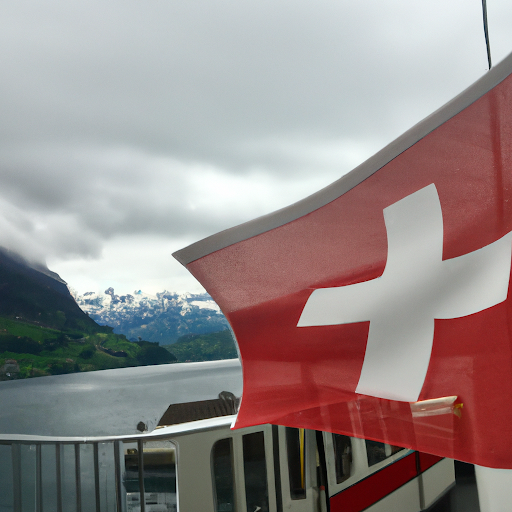
- About Switzerland
- Cost of Living and Currency in Switzerland
- Means of communication in Switzerland
- Switzerland Languages and Greetings
- Food and Cuisine in Switzerland
- Switzerland climate and clothing
- Security and Situation in Switzerland
- Religion and Culture of Switzerland
- Transportation in Switzerland
- Major cities of Switzerland
About Switzerland
Switzerland is a small, landlocked country in the heart of Europe. It is bordered by France, Germany, Austria, Italy, and Liechtenstein. It is known for its stunning alpine scenery, its rich cultural heritage, and its high standard of living.
Switzerland is a federal republic with a strong democratic tradition. It is divided into 26 cantons, each with its own government and laws. The federal government is responsible for foreign policy, defense, and the economy. The Swiss franc is the official currency.
Switzerland is a highly developed country with a strong economy. It is one of the world’s most competitive economies, with a high GDP per capita. The country is home to many multinational companies, including Nestle, Novartis, and UBS. Switzerland is also a major financial center, with many international banks and financial institutions.
Switzerland is renowned for its natural beauty. The Swiss Alps are a popular destination for skiing and hiking. The country is also home to many lakes, rivers, and forests. The Swiss countryside is dotted with picturesque villages and towns.
Switzerland is a multicultural country with four official languages: German, French, Italian, and Romansh. The country is home to many different ethnic and religious groups, including Catholics, Protestants, Jews, and Muslims.
Switzerland is a popular tourist destination. It is known for its stunning scenery, its rich cultural heritage, and its high standard of living. Visitors can explore the country’s many museums, galleries, and historic sites. They can also enjoy the country’s many outdoor activities, such as skiing, hiking, and mountain biking.
Switzerland is a safe and secure country. It has a low crime rate and a strong commitment to human rights. The country is also known for its neutrality and its commitment to international peace and security.
Switzerland is a beautiful country with a lot to offer. It is a great place to visit, live, and work. With its stunning scenery, rich cultural heritage, and high standard of living, it is no wonder that Switzerland is one of the most popular destinations in Europe.
Cost of Living and Currency in Switzerland
Switzerland’s official currency is the Swiss franc (CHF), which is divided into 100 centimes. As of my knowledge cutoff date, 1 Swiss franc was equivalent to about 1.09 US dollars (USD), but exchange rates can fluctuate over time.
Switzerland is known for having a high cost of living compared to many other countries. The cost of living in Switzerland can vary depending on the region, with cities like Geneva and Zurich typically being more expensive than smaller towns or rural areas. Some factors that contribute to the high cost of living in Switzerland include high salaries for professionals, high taxes, and high prices for goods and services.
Here are some examples of typical expenses in Switzerland as of my knowledge cutoff date:
- Rent: The cost of renting a one-bedroom apartment in a city center could range from about 1,500 CHF to 3,500 CHF per month, depending on the location.
- Food: A basic meal at a restaurant could cost around 20-30 CHF, while a mid-range meal for two people with drinks could cost around 100 CHF or more. Grocery prices are also generally higher than in many other countries.
- Transportation: Public transportation is generally reliable and efficient in Switzerland, but it can be expensive. A single ticket for a train or bus ride within a city could cost around 3 CHF, while a monthly pass could cost around 70-100 CHF.
- Healthcare: Switzerland has a high-quality healthcare system, but it can be costly. Residents are required to have health insurance, which can cost several hundred CHF per month.
Overall, living in Switzerland can be expensive, but it also comes with many benefits such as a high standard of living, excellent public services, and a strong economy.
Means of communication in Switzerland
There are several SIM card and wifi router rental services available for travelers in Switzerland. Here are a few options and their vendors:
- Swisscom – Swisscom is the largest telecommunications provider in Switzerland and offers prepaid SIM cards for visitors. The prepaid SIM cards come in different packages with varying data amounts, and can be purchased at Swisscom shops or at airports. Swisscom also offers wifi hotspot rental services.
- Sunrise – Sunrise is another telecommunications provider in Switzerland that offers prepaid SIM cards for visitors. Their prepaid SIM cards come with different data packages and can be purchased at Sunrise shops or at airports. Sunrise also offers portable wifi routers for rent.
- Travelers Wifi – Travelers Wifi is a rental service that provides portable wifi routers for travelers in Switzerland. Their routers offer unlimited data and can be picked up at the airport or delivered to a hotel.
- My Webspot – My Webspot is another rental service that provides portable wifi routers for travelers in Switzerland. Their routers also offer unlimited data and can be picked up at the airport or delivered to a hotel.
- Rent ‘n Connect – Rent ‘n Connect is a rental service that provides portable wifi routers, SIM cards, and other travel accessories for visitors to Switzerland. Their routers offer unlimited data and can be picked up at the airport or delivered to a hotel.
It’s always a good idea to compare prices and read reviews before choosing a service.
Switzerland Languages and Greetings
Switzerland has four official languages: German, French, Italian, and Romansh. The language spoken in a particular region depends on the location. Here are some basic greetings in each of the official languages:
- German:
- Hello: Hallo (HAH-loh)
- Goodbye: Tschüss (chooss)
- Thank you: Danke (DAHN-kuh)
- Please: Bitte (BIT-tuh)
- Yes: Ja (yah)
- No: Nein (nine)
- French:
- Hello: Bonjour (bohn-ZHOOR)
- Goodbye: Au revoir (oh-reh-VWAHR)
- Thank you: Merci (mehr-SEE)
- Please: S’il vous plaît (seel voo PLEH)
- Yes: Oui (wee)
- No: Non (nohn)
- Italian:
- Hello: Ciao (chow)
- Goodbye: Arrivederci (ahr-ree-veh-DEHR-chee)
- Thank you: Grazie (GRAH-tsee-eh)
- Please: Per favore (pehr fah-VOH-reh)
- Yes: Sì (see)
- No: No (noh)
- Romansh:
- Hello: Bun di (boon dee)
- Goodbye: Adia (ah-dee-ah)
- Thank you: Grazia (GRAHTS-ee-ah)
- Please: Per plaschair (pehr plah-SHAIR)
- Yes: Gea (jay-ah)
- No: Na (nah)
It’s important to note that Switzerland has many different dialects within each language, so pronunciations may vary depending on the region.
Food and Cuisine in Switzerland
Switzerland has a diverse food culture that is influenced by its neighboring countries and regional differences. Here are some traditional foods and drinks you might want to try when visiting Switzerland:
- Cheese fondue – This melted cheese dish is a Swiss classic, typically made with Gruyere and Emmental cheese and served with bread cubes for dipping.
- Rösti – This potato dish is a staple in Swiss cuisine and is often served as a side dish or for breakfast. It consists of grated potatoes that are fried until crispy.
- Zürcher Geschnetzeltes – This dish originated in Zurich and consists of thin strips of veal in a creamy mushroom sauce, typically served with Rösti.
- Raclette – This dish involves melting cheese on a special grill and scraping it onto potatoes, vegetables, and meat.
- Chocolate – Switzerland is known for its high-quality chocolate, and there are many artisanal chocolatiers throughout the country. Some popular Swiss chocolate brands include Lindt, Toblerone, and Nestle.
- Swiss wine – While Switzerland is not as well-known for wine as some of its neighboring countries, it has a long history of wine production. Some popular Swiss wine regions include the Valais, Vaud, and Geneva.
- Swiss beer – Switzerland has a thriving craft beer scene, with many microbreweries producing a variety of beers. Some popular Swiss beer brands include Feldschlossen, Hurlimann, and Calanda.
- Bircher muesli – This Swiss breakfast dish consists of oats, fruit, and nuts mixed with milk or yogurt. It was invented by Swiss physician Maximilian Bircher-Benner and is now a popular breakfast dish worldwide.
These are just a few examples of the many delicious foods and drinks that Switzerland has to offer. When visiting Switzerland, be sure to try the local specialties and explore the country’s culinary traditions.
Switzerland climate and clothing
Switzerland has a temperate climate with regional variations. The weather can change quickly, and temperatures can vary depending on the altitude and location. Here is some information on the weather in Switzerland and what to wear:
- Summer (June-August): Summer in Switzerland is generally mild to warm, with temperatures ranging from 18-25°C (64-77°F) in the lowlands and 12-18°C (54-64°F) in the mountains. Rain is common during this time, so it’s important to bring a waterproof jacket and comfortable walking shoes. Lightweight, breathable clothing is recommended for the daytime, and a light sweater or jacket is useful for the cooler evenings.
- Fall (September-November): The weather in the fall can be unpredictable, with warm and sunny days as well as cooler and wetter days. Temperatures range from 15-20°C (59-68°F) in the lowlands and 8-15°C (46-59°F) in the mountains. Layering is key during this time, with a mix of light and warmer clothing recommended. A waterproof jacket is still necessary.
- Winter (December-February): Winter in Switzerland is cold, with temperatures ranging from -5-5°C (23-41°F) in the lowlands and -10-0°C (14-32°F) in the mountains. Snow is common during this time, especially in the higher elevations, so it’s important to bring warm, waterproof clothing, including a heavy coat, insulated boots, gloves, and a hat. Layers are also important, as temperatures can vary greatly throughout the day.
- Spring (March-May): Spring in Switzerland is generally mild, with temperatures ranging from 12-18°C (54-64°F) in the lowlands and 5-12°C (41-54°F) in the mountains. Rain is common during this time, so a waterproof jacket and comfortable walking shoes are still necessary. Layering is recommended, with a mix of light and warmer clothing.
Overall, it’s important to pack layers when visiting Switzerland, as the weather can change quickly and temperatures can vary greatly depending on the location and altitude. A waterproof jacket and comfortable walking shoes are recommended year-round. It’s also a good idea to check the weather forecast before heading out for the day, and to be prepared for unexpected changes in the weather.
Security and Situation in Switzerland
Switzerland is generally considered a safe country with a low crime rate. Violent crime is rare, and the most common crimes are theft and pickpocketing, especially in tourist areas and public transportation. However, like any other country, it’s important to take basic precautions to ensure your safety.
Here are some tips to help you stay safe while in Switzerland:
- Be aware of your surroundings: Stay alert when in public places, especially in crowded areas such as train stations and tourist attractions. Keep an eye on your belongings and avoid carrying large amounts of cash.
- Use official transportation: Swiss public transportation is safe and efficient, but be aware of pickpockets, especially on crowded buses and trains. Taxis are also a safe option.
- Avoid walking alone at night: It’s generally safe to walk around Swiss cities at night, but it’s always a good idea to walk with a friend or in a group, especially in less well-lit areas.
- Follow local laws and customs: Switzerland has strict laws, and violating them can result in fines or even imprisonment. Familiarize yourself with local laws and customs, and respect them.
- Be prepared for natural disasters: Switzerland is prone to natural disasters such as avalanches, floods, and landslides, especially in mountainous regions. Check weather and safety reports before heading out, and follow any evacuation orders if necessary.
In general, Switzerland is a safe and stable country, with a high standard of living and good infrastructure. However, it’s always important to take basic safety precautions when traveling to any country.
Religion and Culture of Switzerland
Switzerland is a diverse country with a rich cultural and religious heritage. The culture of Switzerland is heavily influenced by its geography and history, as well as its four official languages: German, French, Italian, and Romansh.
Religion in Switzerland is predominantly Christian, with the majority of the population belonging to the Roman Catholic Church (around 36%) or the Swiss Reformed Church (around 25%). There are also significant populations of Muslims, Orthodox Christians, and Jews. While religion plays an important role in Swiss culture, the country is known for its religious tolerance and diversity.
Switzerland is also known for its arts and literature, particularly in the fields of music, painting, and sculpture. Famous Swiss artists include Alberto Giacometti, Paul Klee, and Le Corbusier, while Swiss authors such as Friedrich Dürrenmatt and Max Frisch are renowned for their contributions to German literature.
Switzerland is also famous for its cuisine, with regional specialties such as cheese fondue, raclette, and Rösti (a potato dish) being popular both in Switzerland and abroad. Swiss chocolate is also famous around the world, with brands such as Lindt and Toblerone originating in Switzerland.
In addition to its cultural and religious diversity, Switzerland is known for its political stability, neutrality, and direct democracy. The country has a high standard of living, and is renowned for its quality of life, education system, and healthcare.
Transportation in Switzerland
Switzerland has a well-developed and efficient transportation system that includes trains, buses, trams, boats, and cable cars. Here are some details about each mode of transportation:
- Trains: The Swiss railway system is one of the best in the world, with trains running on time and connecting even the most remote towns and villages. Swiss trains are fast, comfortable, and punctual, and offer scenic routes through the mountains and countryside.
- Buses: Buses are another popular mode of transportation in Switzerland, especially for short distances or for reaching areas that aren’t covered by trains. Bus services are reliable and frequent, and are often timed to connect with trains.
- Trams: Trams are a convenient way to get around cities in Switzerland, with services operating in Zurich, Basel, Geneva, and Bern. Trams are often integrated with other forms of public transportation, such as buses and trains.
- Boats: Switzerland has many lakes and waterways, and boat services are available for both tourism and transportation. Boat services offer scenic views of the surrounding landscape, and are a great way to see the country from a different perspective.
- Cable cars: Switzerland’s mountainous terrain makes cable cars an important mode of transportation, especially for reaching ski resorts and other mountain destinations. Cable cars offer breathtaking views of the surrounding landscape, and are a popular attraction in their own right.
In addition to public transportation, Switzerland also has an extensive network of bike paths and hiking trails, making it easy to explore the country’s scenic countryside by foot or bike.
Major cities of Switzerland
Here are three major cities in Switzerland and an overview of each:
- Zurich: Zurich is the largest city in Switzerland, located in the northeast part of the country. It is a global center for banking and finance, as well as for art and culture. The city has a beautiful old town with narrow streets and historic buildings, and is home to several museums, including the Kunsthaus Zurich art museum and the Swiss National Museum. Zurich is also known for its shopping, nightlife, and outdoor activities, such as hiking and skiing in the nearby mountains.
- Geneva: Geneva is located in the southwest part of Switzerland, on the shores of Lake Geneva. It is known as the “capital of peace,” as it is home to several international organizations, including the United Nations and the International Red Cross. Geneva is a cosmopolitan city with a rich cultural heritage, and is famous for its luxury shopping, fine dining, and beautiful parks and gardens. It also has a picturesque old town with charming narrow streets, historic buildings, and beautiful fountains.
- Bern: Bern is the capital city of Switzerland, located in the center of the country. It is a UNESCO World Heritage Site, known for its well-preserved medieval architecture and charming old town. The city is home to the famous Zytglogge clock tower, the Bern Cathedral, and several museums, including the Bern Historical Museum and the Einstein Museum. Bern is also famous for its bear pit, which is home to several brown bears, the symbol of the city.
Each of these cities has its own unique character and attractions, and they all offer visitors a taste of Swiss culture and history.

コメント