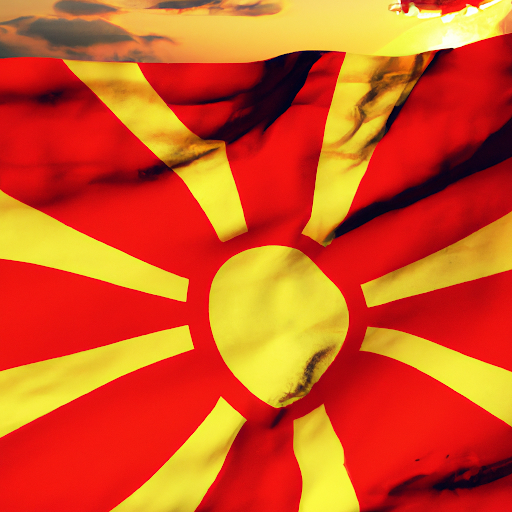
- About North Macedonia
- Cost of Living and Currency in North Macedonia
- Means of communication in North Macedonia
- North Macedonia Languages and Greetings
- Food and Cuisine in North Macedonia
- North Macedonia climate and clothing
- Security and Situation in North Macedonia
- Religion and Culture of North Macedonia
- Transportation in North Macedonia
- Major cities of North Macedonia
About North Macedonia
North Macedonia is a small country located in the Balkan region of Europe. It is bordered by Serbia, Bulgaria, Greece, Albania, and Kosovo. The country has a population of just over two million people and is the smallest of the former Yugoslav republics.
The country has a rich history, with evidence of human habitation dating back to the Neolithic period. It was part of the Roman Empire, the Byzantine Empire, and the Ottoman Empire before becoming part of Yugoslavia in 1945. After the dissolution of Yugoslavia in 1991, North Macedonia declared its independence and became a member of the United Nations in 1993.
North Macedonia is a parliamentary democracy with a unicameral legislature. The country is divided into eight administrative regions, each with its own local government. The capital city is Skopje, which is also the largest city in the country.
The economy of North Macedonia is largely based on agriculture, with the main crops being wheat, corn, potatoes, and tobacco. The country also has a growing industrial sector, with the main industries being textiles, food processing, and metalworking. Tourism is also an important part of the economy, with many visitors coming to explore the country’s rich cultural heritage.
The culture of North Macedonia is a mix of Slavic, Greek, and Albanian influences. The official language is Macedonian, but Albanian, Turkish, and Serbian are also spoken. The country is predominantly Orthodox Christian, but there are also significant Muslim and Catholic minorities.
North Macedonia is a beautiful country with a rich history and culture. It is a great destination for those looking to explore the Balkans and experience a unique culture. With its stunning landscapes, friendly people, and vibrant cities, North Macedonia is a great place to visit.
Cost of Living and Currency in North Macedonia
North Macedonia’s currency is the Macedonian denar (MKD), which has been the country’s official currency since 1992. One Macedonian denar is divided into 100 deni.
As of March 2023, the exchange rate for 1 US dollar is around 53 Macedonian denars.
In terms of the cost of living, North Macedonia is generally an affordable country. The cost of living is lower than in many Western European countries or North America, but higher than in some other Balkan countries.
The prices of groceries, transportation, and accommodation are relatively low compared to Western standards. For example, a typical meal at an inexpensive restaurant can cost around 300-500 MKD (approximately $5-8 USD), while a domestic beer can cost around 80-120 MKD (approximately $1.5-2 USD).
Renting a one-bedroom apartment in the city center can cost around 15,000-20,000 MKD (approximately $280-380 USD), while a similar apartment outside the city center can cost around 10,000-15,000 MKD (approximately $190-280 USD) per month.
Overall, North Macedonia can be considered an affordable destination for travelers or those looking to relocate. However, prices can vary depending on the location and the type of services or products you are interested in.
Means of communication in North Macedonia
There are several SIM card and wifi router rental services available for travelers in North Macedonia. Some of the most popular options include:
- Vip operator – Vip operator is one of the largest mobile network operators in North Macedonia and offers a range of SIM card options for travelers. They have several stores throughout the country where you can purchase a prepaid SIM card and data plan.
- T-Mobile – T-Mobile is another major mobile network operator in North Macedonia and offers prepaid SIM cards for travelers. They have a range of data plans available and you can purchase a SIM card at one of their stores.
- Makedonski Telekom – Makedonski Telekom is the largest telecom provider in North Macedonia and offers prepaid SIM cards for travelers. They have a range of data plans available and you can purchase a SIM card at one of their stores.
- TravelWifi – TravelWifi is a vendor that offers portable wifi router rental services for travelers in North Macedonia. You can rent a wifi router for a specific period of time and have access to high-speed internet while on the go.
- My Webspot – My Webspot is another vendor that offers portable wifi router rental services in North Macedonia. They offer unlimited data plans and you can rent a wifi router for a specific period of time.
It’s important to note that availability and pricing may vary depending on the vendor and your specific travel dates, so it’s a good idea to research your options in advance and compare prices and plans to find the best option for your needs.
North Macedonia Languages and Greetings
The official language of North Macedonia is Macedonian. Macedonian is a Slavic language that is closely related to Bulgarian, Serbian, and Croatian.
Here are some simple greetings and phrases in Macedonian, along with their pronunciations:
- Hello – Здраво (zdravo)
- Good morning – Добро утро (dobro utro)
- Good afternoon – Добар ден (dobar den)
- Good evening – Добра вечер (dobra vecher)
- Goodbye – Довидување (doviduvanje)
- Please – Ве молам (ve molam)
- Thank you – Благодарам (blagodaram)
- Yes – Да (da)
- No – Не (ne)
- Excuse me – Извинете (izvinete)
Note: The pronunciations are approximate and may vary depending on the speaker’s dialect.
Food and Cuisine in North Macedonia
North Macedonia has a rich and diverse food culture, influenced by its location at the crossroads of Eastern and Western Europe. Macedonian cuisine is known for its hearty and flavorful dishes, often featuring meat, vegetables, and dairy products.
Here are some recommended foods and drinks to try in North Macedonia:
- Ajvar – a traditional relish made from roasted red peppers, garlic, and eggplant. It’s often served as a condiment with grilled meat or bread.
- Tavche gravche – a hearty bean stew made with white beans, onions, tomatoes, and paprika. It’s often served with bread and yogurt.
- Kebapi – grilled meat sausages made from a blend of beef and lamb. They’re often served with bread and raw onions.
- Shopska salad – a fresh salad made with tomatoes, cucumbers, peppers, onions, and feta cheese. It’s dressed with olive oil and vinegar and is a popular side dish.
- Rakija – a strong fruit brandy that’s popular throughout the Balkans. It’s often made from grapes or plums and is served as a digestif after a meal.
- Skopsko beer – a popular Macedonian beer that’s brewed in Skopje. It’s a light and refreshing lager that’s often served cold with kebapi.
- Mastika – a traditional Macedonian liquor that’s flavored with mastic, a resin obtained from the mastic tree. It’s often served as a digestif after a meal.
In addition to these dishes and drinks, North Macedonia is also known for its dairy products, including white cheese (sirenje) and yogurt (kiselo mleko), which are often served as accompaniments to meals. Macedonian cuisine is also influenced by its Ottoman heritage, with dishes like burek (a savory pastry filled with meat, cheese, or vegetables) and baklava (a sweet pastry made with phyllo dough and nuts) being popular throughout the country.
North Macedonia climate and clothing
The weather in North Macedonia varies depending on the season and location within the country. In general, North Macedonia has a Mediterranean climate, with hot summers and mild winters. However, the country’s geography, which includes mountains and valleys, can also cause significant variations in temperature and precipitation.
Here is a general guide on what to expect and what to wear in North Macedonia, based on the season:
- Spring (March to May): Spring is a beautiful time to visit North Macedonia, with temperatures ranging from mild to warm. However, it can also be quite rainy, so it’s a good idea to pack a waterproof jacket or umbrella. During this time, light layers and comfortable shoes are recommended.
- Summer (June to August): Summer in North Macedonia can be hot and dry, with temperatures often exceeding 30°C (86°F). Lightweight and breathable clothing, as well as sun protection such as a hat and sunscreen, are highly recommended. In addition, it’s a good idea to bring comfortable shoes and a swimsuit if you plan to visit one of the country’s lakes or rivers.
- Fall (September to November): Fall in North Macedonia is usually mild and pleasant, with temperatures ranging from cool to warm. Light layers, including a jacket or sweater, are recommended as temperatures can drop at night. Comfortable walking shoes are also recommended if you plan to explore the country’s scenic hiking trails.
- Winter (December to February): Winter in North Macedonia can be quite cold, especially in the mountainous regions. Heavy winter clothing, including a warm coat, hat, gloves, and boots, are recommended. It’s also a good idea to bring waterproof shoes or boots as snow and ice can be present on the ground.
Overall, it’s important to check the weather forecast before your trip and pack accordingly. Additionally, keep in mind that dress codes may vary depending on the location and activity, so it’s always a good idea to research ahead of time.
Security and Situation in North Macedonia
North Macedonia is generally a safe and peaceful country, with a low crime rate and a friendly population. However, as with any country, there are certain security concerns that travelers should be aware of.
The country has undergone significant political and economic reforms in recent years, which have helped to stabilize the situation and improve security. However, occasional political tensions and protests may occur, particularly in the capital city of Skopje.
Travelers are advised to take normal safety precautions, such as avoiding demonstrations or protests, being aware of their surroundings, and not carrying large amounts of cash or valuables. Pickpocketing and theft can occur in crowded areas, such as markets and public transportation, so it’s important to be vigilant and keep an eye on personal belongings.
The country’s borders with Kosovo and Serbia are sometimes the site of political tensions, and travelers are advised to exercise caution when traveling in these areas.
In terms of health, North Macedonia has a good standard of medical care, but travelers should still take necessary precautions. Tap water is generally safe to drink, but it’s recommended to drink bottled water, especially in rural areas. Tick-borne illnesses, such as Lyme disease, can occur in forested areas, so it’s important to take appropriate measures, such as wearing long sleeves and pants, using insect repellent, and checking for ticks after spending time outdoors.
Overall, North Macedonia is a safe and welcoming country for travelers, but it’s important to stay informed and take necessary precautions to ensure a safe and enjoyable trip.
Religion and Culture of North Macedonia
North Macedonia is a diverse country with a rich cultural and religious heritage. The majority of the population is Orthodox Christian, with a significant Muslim minority, and smaller communities of Catholic, Protestant, and other religions.
The country’s culture is heavily influenced by its history and geography, with elements of Balkan, Ottoman, and Slavic traditions. The country is known for its warm hospitality, traditional cuisine, and folk music and dance.
Some of the most important cultural landmarks in North Macedonia include the ancient city of Ohrid, which is home to numerous historic churches and monasteries, and the Old Bazaar in Skopje, which dates back to the Ottoman era and is one of the largest bazaars in the Balkans.
Traditional Macedonian cuisine is hearty and flavorful, with influences from Mediterranean and Balkan cuisine. Some of the most popular dishes include tavce gravce (baked beans), ajvar (a pepper and eggplant spread), and pastrmajlija (a traditional pizza-like dish topped with salted and dried meat).
Macedonian music and dance are an integral part of the country’s culture, with traditional instruments such as the tambura, gaida, and kaval featuring prominently in folk music. The country’s national dance is the oro, a traditional circle dance that is performed at weddings, festivals, and other celebrations.
Overall, North Macedonia’s culture is diverse and rich, with a blend of historic and modern influences that make it a fascinating destination for travelers interested in history, art, and cultural experiences.
Transportation in North Macedonia
North Macedonia has a variety of transportation options for travelers, including public transportation, taxis, and rental cars. Here are some of the most common transportation options in North Macedonia:
- Public transportation: The most common form of public transportation in North Macedonia is the bus. The country has a well-developed network of bus routes that connect cities and towns throughout the country. In addition, there is a train network that connects major cities, but it is less frequent and less reliable than the bus system.
- Taxis: Taxis are widely available in North Macedonia, and they are generally safe and affordable. Taxis can be hailed on the street or booked through a mobile app. Fares are metered, and it’s recommended to confirm the price with the driver before getting in.
- Rental cars: Rental cars are available at major airports and in cities throughout North Macedonia. International driving permits are required, and it’s important to note that traffic in North Macedonia can be congested and drivers may be aggressive.
- Shared ride services: There are several ride-sharing services available in North Macedonia, including Uber and Bolt. These services operate in major cities and offer a convenient and affordable way to get around.
It’s important to note that North Macedonia’s infrastructure is still developing, and some roads may be in poor condition or poorly marked. In addition, traffic can be congested in urban areas, so it’s recommended to allow extra time for travel.
Overall, North Macedonia has a variety of transportation options for travelers, and it’s recommended to research and plan ahead to determine the best option for your needs and budget.
Major cities of North Macedonia
Here are three major cities in North Macedonia and an overview of each city:
- Skopje: Skopje is the capital and largest city in North Macedonia, located in the northern part of the country. It has a rich history that dates back to the Roman Empire, and the city’s architecture reflects a blend of Ottoman, Balkan, and modern styles. Skopje is known for its lively atmosphere, with numerous cafes, restaurants, and shops. Some of the most popular tourist attractions in Skopje include the Old Bazaar, the Stone Bridge, the Kale Fortress, and the Millennium Cross.
- Bitola: Bitola is the second-largest city in North Macedonia, located in the southern part of the country near the Greek border. It has a long history dating back to the ancient Macedonian and Roman eras, and it was an important cultural and commercial center during the Ottoman Empire. Bitola is known for its beautiful architecture, with numerous historic buildings, museums, and monuments. Some of the most popular tourist attractions in Bitola include the Heraclea Lyncestis archaeological site, the Old Bazaar, the Clock Tower, and the National Museum of Bitola.
- Ohrid: Ohrid is a historic city located on the shores of Lake Ohrid in southwestern North Macedonia. It has a rich history that dates back to the ancient Macedonian era, and it was an important cultural and religious center during the Byzantine Empire. Ohrid is known for its stunning natural beauty, with crystal-clear waters and breathtaking mountain views. Some of the most popular tourist attractions in Ohrid include the historic churches and monasteries, the Old Town, the Ancient Theatre, and the Samoil’s Fortress. Ohrid is also known for its vibrant nightlife and cultural events, including the Ohrid Summer Festival.
コメント