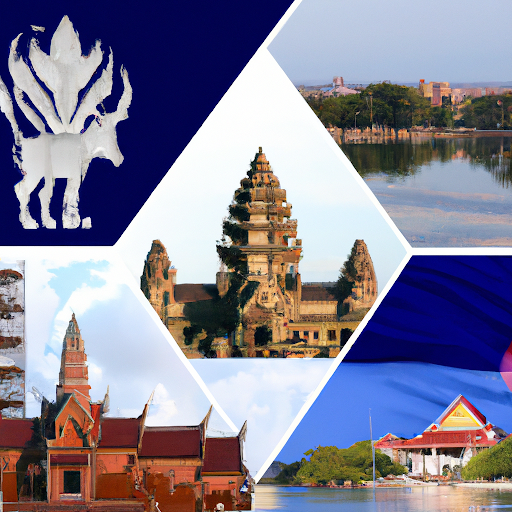
About Cambodia
Cambodia is a Southeast Asian country located in the heart of the Indochina peninsula. It is bordered by Thailand to the west and northwest, Laos to the northeast, Vietnam to the east and southeast, and the Gulf of Thailand to the southwest. The country is home to a population of over 16 million people, and the capital and largest city is Phnom Penh.
Cambodia has a long and rich history, with evidence of human habitation dating back to the Neolithic period. The country was once part of the Khmer Empire, which was one of the most powerful empires in Southeast Asia. The Khmer Empire was eventually replaced by the French Protectorate of Cambodia in 1863, and the country remained under French rule until 1953. In the years following independence, Cambodia experienced a period of political instability and civil war, culminating in the rise of the Khmer Rouge regime in 1975. The Khmer Rouge regime was responsible for the deaths of an estimated 1.7 million people, and the country was only able to begin rebuilding in the late 1990s.
Today, Cambodia is a constitutional monarchy, with King Norodom Sihamoni as the head of state. The country is a member of the Association of Southeast Asian Nations (ASEAN) and the World Trade Organization (WTO). The economy of Cambodia is largely based on agriculture, with rice being the main crop. Tourism is also an important sector of the economy, with the country’s ancient temples and stunning beaches attracting millions of visitors each year.
Cambodia is a culturally diverse country, with the majority of the population being of Khmer ethnicity. Buddhism is the main religion, with over 95% of the population practicing Theravada Buddhism. The official language is Khmer, although English and French are also widely spoken.
Cambodia is a beautiful country with a fascinating history and culture. From the ancient temples of Angkor Wat to the stunning beaches of Sihanoukville, there is something for everyone to enjoy. With its friendly people, delicious cuisine, and vibrant culture, Cambodia is a great destination for travelers looking to experience something truly unique.
Cost of Living and Currency in Cambodia
Cambodia’s official currency is the Cambodian riel (KHR), but the United States dollar (USD) is also widely accepted and used in daily transactions, especially for larger purchases.
As for the cost of living in Cambodia, it is generally lower than many Western countries, but varies depending on the city and region. In the capital city of Phnom Penh, for example, the cost of living can be higher than in other parts of the country due to its urbanization and development.
Here are some approximate costs of common items in Cambodia as of 2021:
- A basic meal from a street vendor or local restaurant can cost between 5,000 KHR to 15,000 KHR (approximately $1.25 to $3.75 USD).
- A mid-range restaurant meal can cost between 30,000 KHR to 60,000 KHR (approximately $7.50 to $15 USD).
- A one-way ticket on public transportation can cost around 1,500 KHR (approximately $0.38 USD).
- A liter of gasoline can cost around 4,000 KHR (approximately $1 USD).
- A 1.5-liter bottle of water can cost around 2,000 KHR (approximately $0.50 USD).
- Rent for a basic one-bedroom apartment outside of the city center can range from 200 to 400 USD per month.
- Utilities such as electricity, water, and internet can cost around 50 to 100 USD per month depending on usage.
It’s worth noting that prices may vary depending on the location and the quality of the product or service. Additionally, foreign currencies such as the US dollar and the Thai baht are widely accepted in Cambodia, especially in tourist areas.
Means of communication in Cambodia
There are several SIM card and wifi router rental services available for travelers in Cambodia. Here are a few options:
- Cellcard: Cellcard is one of the largest mobile network operators in Cambodia and offers prepaid SIM cards for tourists. They also offer wifi router rentals for those who need a more stable internet connection. You can find more information on their website or visit one of their many retail stores throughout the country.
- Smart Axiata: Smart Axiata is another major mobile network operator in Cambodia that offers SIM cards and wifi router rentals for travelers. They have several options for different data packages and rental periods. You can visit their website or one of their many retail stores for more information.
- Cambodia Pocket WiFi: Cambodia Pocket WiFi is a vendor that specializes in wifi router rentals for tourists. They offer a variety of packages for different data allowances and rental periods. You can book online through their website and have the router delivered to your hotel or pick it up from one of their partner locations.
- Rentalwifi Cambodia: Rentalwifi Cambodia is another vendor that offers wifi router rentals for travelers. They have several packages available for different data allowances and rental periods. You can book online through their website and have the router delivered to your hotel or pick it up from one of their partner locations.
It’s worth noting that many hotels and cafes in Cambodia also offer free wifi for customers, so you may not need to rent a router or purchase a SIM card depending on your needs.
Cambodia Languages and Greetings
The official language of Cambodia is Khmer. Here are some simple greetings in Khmer, along with their pronunciation:
- Hello – ជំរាបសួរ (jom-reab sue-a)
- Goodbye – លាហើយ (leah-hao-y)
- Please – សូម (som)
- Thank you – អរគុណ (aw-kun)
- Yes – បាទ/ចាស (baht/jah)
- No – ទេ (tay)
- Excuse me – សូមទាញបញ្ចូល (som tahng bahnchhoul)
- I’m sorry – សុំទោស (som toh)
To help you with the pronunciation, here is a guide to some of the letters and sounds in Khmer:
- ជ – pronounced like “ch” in “chair”
- រ – pronounced like “r” in “red”
- ស – pronounced like “s” in “snake”
- ូ – pronounced like a long “o” sound
- ម – pronounced like “m” in “mother”
- ប – pronounced like “b” in “boy”
- ា – pronounced like a long “a” sound
- ទ – pronounced like “t” in “top”
Keep in mind that Khmer has many sounds and tones that may be unfamiliar to English speakers, so it may take some practice to get the pronunciation right. However, locals will appreciate any effort you make to speak their language.
Food and Cuisine in Cambodia
Cambodia has a rich and diverse food culture, with influences from neighboring countries like Thailand and Vietnam as well as its own unique flavors and ingredients. Rice is a staple in Cambodian cuisine, and many dishes are accompanied by a variety of fresh herbs and vegetables.
Here are some recommended foods and drinks to try in Cambodia:
- Amok: A classic Cambodian dish made with fish or chicken, coconut milk, and spices like lemongrass and turmeric, steamed in a banana leaf.
- Bai sach chrouk: A popular breakfast dish made with grilled pork served over rice, accompanied by pickled vegetables and a fried egg.
- Kuy teav: A noodle soup typically made with pork, beef, or seafood, with a variety of fresh herbs and vegetables.
- Num pang: A Cambodian-style sandwich made with a baguette filled with ingredients like grilled meat, pickled vegetables, and spicy sauces.
- Fish curry: A flavorful curry made with fish, coconut milk, and spices like cumin, coriander, and turmeric.
- Lok lak: A stir-fry dish typically made with beef or pork, served over rice and accompanied by a side of fresh vegetables and a lime-pepper dipping sauce.
- Angkor beer: A popular Cambodian beer, named after the famous Angkor Wat temple complex.
- Coconut water: A refreshing and hydrating drink made from fresh coconuts, commonly sold at street stalls throughout Cambodia.
- Fresh fruit: Cambodia is known for its delicious and diverse array of fresh fruit, including mangos, papayas, dragonfruit, and more.
In addition to these dishes, Cambodian street food is a must-try for any foodie. From grilled meat skewers to fried noodles and dumplings, street food stalls offer a variety of tasty and affordable options for hungry travelers.
Cambodia climate and clothing
Cambodia has a tropical climate with two main seasons: a rainy season from May to October, and a dry season from November to April. Here is some information on what to expect during each season and what to wear:
- Dry Season (November – April): This season is characterized by hot and dry weather with very little rainfall. Temperatures can reach up to 35°C (95°F) in some parts of the country. It’s important to stay hydrated and protect yourself from the sun during this time.
What to wear: Light and breathable clothing made from natural fabrics like cotton or linen is recommended. Loose-fitting clothes will help you stay cool and comfortable. Sunscreen, sunglasses, and a hat are also recommended.
- Rainy Season (May – October): This season is characterized by high humidity and frequent rainfall, particularly in the afternoons and evenings. Temperatures are slightly cooler, ranging from 25°C to 30°C (77°F to 86°F).
What to wear: Lightweight and quick-drying clothing is recommended, as the rain can come suddenly and heavily. Waterproof shoes or sandals are also recommended, as the streets can become flooded during heavy rain. A light rain jacket or umbrella can also be useful.
Overall, it’s important to dress modestly and respectfully when visiting Cambodia, particularly when visiting religious sites like temples. Shorts, tank tops, and revealing clothing are generally not appropriate in these settings. Additionally, many indoor spaces like restaurants and shops have air conditioning, so bringing a light jacket or scarf is recommended.
Security and Situation in Cambodia
Cambodia is generally a safe country for travelers, but like any other country, it’s important to be aware of your surroundings and take precautions to stay safe. Here are some important things to know about the security situation in Cambodia:
- Crime: Petty crime, such as pickpocketing and theft, can occur in crowded areas like markets and public transportation. It’s important to keep an eye on your belongings and avoid carrying large amounts of cash or valuable items.
- Scams: Some tourists may encounter scams, particularly involving tuk-tuk drivers who overcharge or take passengers to commission-based shops. It’s important to negotiate prices beforehand and only use reputable drivers.
- Terrorism: The threat of terrorism in Cambodia is low, but it’s important to remain vigilant and aware of your surroundings, particularly in crowded areas.
- Political situation: Cambodia has a complex political situation, and there have been instances of protests and demonstrations in the past. It’s important to avoid political gatherings and demonstrations, as these can sometimes turn violent.
- Landmines: Some areas in Cambodia, particularly in rural areas near the border with Thailand and Vietnam, may still have landmines left over from previous conflicts. It’s important to stay on marked paths and avoid venturing off-road in these areas.
In general, it’s important to exercise common sense and caution when traveling in Cambodia. Stay informed about the local situation and follow the advice of local authorities and your embassy or consulate. By taking these precautions, you can enjoy a safe and enjoyable trip to Cambodia.
Religion and Culture of Cambodia
Cambodia has a rich and diverse culture shaped by its long history and various influences, including Hinduism, Buddhism, and French colonialism. Here is some information on Cambodia’s religion and culture:
- Religion: The majority of Cambodians practice Theravada Buddhism, which was introduced to the country over a thousand years ago. There are also small communities of Muslims, Christians, and followers of traditional animist beliefs.
- Language: The official language of Cambodia is Khmer, which is spoken by the majority of the population. French and English are also spoken by some Cambodians, particularly in urban areas and among younger generations.
- Arts: Cambodia has a rich tradition of performing arts, including classical dance and music. The most famous form of dance is the Apsara dance, which originated in the royal courts of Angkor. Cambodia is also known for its traditional crafts, including silk weaving, wood carving, and pottery.
- Food: Cambodian cuisine is influenced by the flavors and ingredients of neighboring countries like Thailand and Vietnam, as well as its own unique traditions. Rice is a staple in Cambodian cuisine, and many dishes are accompanied by fresh herbs and vegetables. Some popular dishes include amok, lok lak, and kuy teav.
- Festivals: Cambodia has a number of traditional festivals throughout the year, many of which are based on religious or cultural traditions. Some of the most popular festivals include Khmer New Year (in April), Pchum Ben (a Buddhist festival in September or October), and Water Festival (in November).
Overall, Cambodia’s culture is characterized by its rich history, diverse influences, and deep spiritual traditions. Visitors to Cambodia can experience this culture through its art, food, festivals, and interactions with its friendly and welcoming people.
Transportation in Cambodia
Cambodia has a range of transportation options for travelers, including:
- Tuk-tuks: Tuk-tuks are a popular mode of transportation in Cambodia, particularly in cities and tourist areas. They are three-wheeled vehicles that are open-air and powered by a motorcycle engine. Tuk-tuks are often used for short trips around town and can be easily hailed on the street.
- Taxis: Taxis are available in larger cities like Phnom Penh and Siem Reap, but they can be more expensive than other forms of transportation. It’s important to negotiate the fare beforehand and make sure the driver uses the meter.
- Buses: Buses are a common way to travel between cities in Cambodia. There are several bus companies that operate routes throughout the country, and tickets can be purchased at bus stations or through travel agencies. It’s important to note that buses in Cambodia can be crowded and uncomfortable, and roads may be poorly maintained.
- Motorbikes: Motorbikes can be rented in many parts of Cambodia, but they can be dangerous for inexperienced riders due to traffic and road conditions. It’s important to wear a helmet and obey traffic laws if you choose to rent a motorbike.
- Boats: Boats are a popular way to travel between some destinations in Cambodia, particularly along the Mekong River. There are several companies that offer boat tours and transportation, but it’s important to check safety standards before booking.
Overall, transportation in Cambodia can be affordable and convenient, but it’s important to exercise caution and choose reputable providers. Tuk-tuks and buses are generally the most common and affordable modes of transportation for travelers in Cambodia.
Major cities of Cambodia
Here are three major cities in Cambodia and an overview of each:
- Phnom Penh: Phnom Penh is the capital and largest city in Cambodia, located in the southern part of the country. It is a bustling city with a rich history and cultural heritage. The city is home to many historic sites, such as the Royal Palace and the National Museum, as well as bustling markets and shopping districts. Phnom Penh is also known for its food, nightlife, and riverside promenade.
- Siem Reap: Siem Reap is a city in the northwestern part of Cambodia, known as the gateway to the Angkor temples. It is a popular tourist destination, attracting millions of visitors each year who come to explore the ancient temples and ruins of the Angkor Empire. In addition to the temples, Siem Reap is also known for its restaurants, cafes, and art galleries.
- Sihanoukville: Sihanoukville is a coastal city located in the southwest of Cambodia, known for its beaches and seaside resorts. It is a popular destination for both domestic and international tourists, with many options for swimming, sunbathing, and water sports. Sihanoukville is also home to several national parks and nature reserves, making it a popular spot for hiking and wildlife viewing.
Overall, these three cities offer visitors a taste of Cambodia’s diverse cultural and natural attractions, from historic temples to seaside resorts. Each city has its own unique character and attractions, making them all worth a visit.

コメント