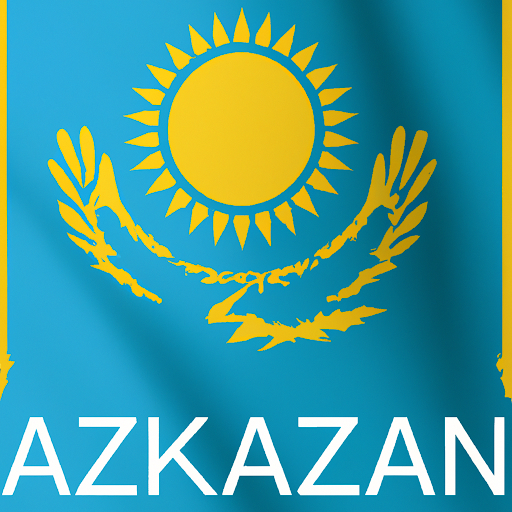
- About Kazakhstan
- Cost of Living and Currency in Kazakhstan
- Means of communication in Kazakhstan
- Kazakhstan Languages and Greetings
- Food and Cuisine in Kazakhstan
- Kazakhstan climate and clothing
- Security and Situation in Kazakhstan
- Religion and Culture of Kazakhstan
- Transportation in Kazakhstan
- Major cities of Kazakhstan
About Kazakhstan
Kazakhstan is a Central Asian country located in the heart of Eurasia. It is the world’s ninth-largest country by land area, and the largest landlocked country in the world. Kazakhstan is bordered by Russia, China, Kyrgyzstan, Uzbekistan, and Turkmenistan. It is a member of the United Nations, the Organization for Security and Co-operation in Europe, the Shanghai Cooperation Organization, and the Eurasian Economic Union.
Kazakhstan is a diverse country with a rich cultural heritage. It is home to over 130 ethnic groups, including Kazakhs, Russians, Ukrainians, Uzbeks, and Uyghurs. The official language is Kazakh, but Russian is also widely spoken. The country is predominantly Muslim, with a small Christian minority.
Kazakhstan has a long and varied history. It was part of the Mongol Empire in the 13th century, and later became part of the Russian Empire in the 19th century. After the fall of the Soviet Union in 1991, Kazakhstan declared its independence and became a sovereign nation.
Kazakhstan has a market-based economy that is heavily reliant on oil and gas exports. It is the largest economy in Central Asia, and the second-largest economy in the former Soviet Union. The country has a strong manufacturing sector, and is a major producer of oil, gas, and metals. It is also a major exporter of agricultural products.
Kazakhstan is a beautiful country with a wide variety of landscapes. It is home to the Altai Mountains, the Caspian Sea, and the Ural River. The country also has a number of national parks and nature reserves, including the Altyn-Emel National Park and the Korgalzhyn State Nature Reserve.
Kazakhstan is a popular tourist destination, with a wide range of attractions. Visitors can explore the country’s ancient cities, visit its stunning mountain ranges, and experience its unique culture. The country also has a vibrant nightlife, with a variety of bars, clubs, and restaurants.
Kazakhstan is a fascinating country with a rich history and culture. It is a great place to visit, and offers something for everyone. Whether you’re looking for adventure, culture, or relaxation, Kazakhstan has something to offer.
Cost of Living and Currency in Kazakhstan
Kazakhstan’s currency is the Kazakhstani tenge (KZT), which is the official currency of Kazakhstan. As of March 2023, the exchange rate is approximately 418 KZT to 1 USD.
The cost of living in Kazakhstan varies depending on the region and city. The largest city and former capital, Almaty, is generally considered the most expensive, followed by the current capital, Nur-Sultan (formerly known as Astana). Other cities and regions in Kazakhstan, such as Shymkent, Aktobe, and Karaganda, have a lower cost of living.
Some common expenses in Kazakhstan include:
- Accommodation: The cost of rent varies depending on the type of housing and location. In Almaty, for example, a one-bedroom apartment in the city center may cost around 150,000 KZT per month, while a similar apartment in a less expensive area could be around 90,000 KZT per month.
- Food: The cost of groceries varies depending on the type of food and where you shop. A basic lunch in a business district may cost around 2,000-3,000 KZT, while a meal at a mid-range restaurant may cost around 7,000-8,000 KZT.
- Transportation: Public transportation is relatively inexpensive in Kazakhstan. A one-way ticket on the metro in Almaty costs 80 KZT, while a taxi ride in the city center may cost around 1,500-2,000 KZT.
- Healthcare: Healthcare in Kazakhstan is generally affordable. Public healthcare is available to citizens and residents of Kazakhstan for free or at a low cost. Private healthcare is also available, but it can be more expensive.
Overall, Kazakhstan has a moderate cost of living compared to other countries in the region.
Means of communication in Kazakhstan
There are several SIM card and Wi-Fi router rental services available for travelers in Kazakhstan. Here are a few options and the names of the vendors:
- Beeline: Beeline is a popular mobile network operator in Kazakhstan, and they offer tourist SIM cards for visitors to the country. These SIM cards come with data, voice, and SMS options and can be purchased at the airport or Beeline stores.
- Kcell: Kcell is another mobile network operator in Kazakhstan that offers tourist SIM cards. These SIM cards come with data, voice, and SMS options and can be purchased at the airport or Kcell stores.
- Wifi.kz: Wifi.kz is a company that offers portable Wi-Fi routers for rent in Kazakhstan. These routers allow travelers to connect multiple devices to Wi-Fi and can be rented for daily, weekly, or monthly periods.
- Rentwifi.kz: Rentwifi.kz is another company that offers portable Wi-Fi routers for rent in Kazakhstan. These routers also allow travelers to connect multiple devices to Wi-Fi and can be rented for daily, weekly, or monthly periods.
- Travelsim.kz: Travelsim.kz is a company that offers SIM cards for travelers in Kazakhstan. These SIM cards come with data, voice, and SMS options and can be purchased online before your trip or at the airport.
It’s always a good idea to research and compare different options before selecting a SIM card or Wi-Fi router rental service in Kazakhstan to ensure you find the best option for your needs.
Kazakhstan Languages and Greetings
The official language of Kazakhstan is Kazakh, which is a Turkic language. Russian is also widely spoken in the country. Here are some simple greetings and their pronunciations in Kazakh:
- Hello – Сәлем (salem)
- Goodbye – Қоштасу (qoshtasu)
- Thank you – Рахмет (rahmet)
- Yes – Иә (iä)
- No – Жоқ (joq)
- Please – Әрқашан (erqashan)
- How are you? – Қалайсыңыз? (qalaisynyz?)
- I am fine, thank you. – Жақсымын, рахмет. (jaqsymyn, rahmet)
In Kazakh, the stress is usually on the last syllable of the word. Additionally, the letter “ә” is pronounced as a schwa sound, similar to the “a” in the English word “sofa”.
I hope that helps!
Food and Cuisine in Kazakhstan
Kazakhstan’s food culture is heavily influenced by its nomadic heritage and the traditional cuisine of the Turkic and Mongol peoples. Meat, dairy, and grains are staples in the Kazakh diet, with lamb, beef, and horse meat being the most commonly consumed meats. Dairy products such as kumis (fermented mare’s milk), shubat (fermented camel’s milk), and various types of cheese are also popular. In addition, bread, noodles, and rice are commonly consumed as carbohydrate sources.
Here are some recommended foods and drinks to try in Kazakhstan:
- Beshbarmak – This is Kazakhstan’s national dish, which consists of boiled meat (usually lamb or beef) served on top of flat noodles and covered in a broth. It’s typically served with onions and sometimes a side of kumis.
- Kazy – This is a type of sausage made from horse meat, which is a common delicacy in Kazakhstan. It’s often served thinly sliced as an appetizer or snack.
- Lagman – This is a spicy noodle soup that’s made with beef or lamb, vegetables, and sometimes tomatoes. It’s a popular street food in Kazakhstan and can be found in many restaurants and food stalls.
- Plov – This is a dish of rice cooked with meat (usually lamb or beef), carrots, and onions. It’s a popular dish in Central Asia and can be found in many variations throughout the region.
- Shashlik – This is a type of grilled meat (usually lamb or beef) that’s marinated in spices and served on skewers. It’s a popular dish in Kazakhstan and is often served at outdoor gatherings and events.
- Chai – Tea is the most commonly consumed drink in Kazakhstan, and it’s often served with a variety of sweets and snacks.
- Kymyz – This is a drink made from fermented mare’s milk, which is a traditional beverage in Kazakhstan. It has a sour taste and is often consumed for its health benefits.
There are many other dishes and drinks to try in Kazakhstan, but these are some of the most popular and iconic ones. Enjoy!
Kazakhstan climate and clothing
The weather in Kazakhstan varies greatly depending on the region and time of year. The country experiences a continental climate, with hot summers and cold winters. Here’s a general overview of the weather in Kazakhstan and what to wear:
Summer (June-August): Summers in Kazakhstan are hot and dry, with temperatures ranging from 20°C to 30°C (68°F to 86°F) in most regions. In some areas, temperatures can reach as high as 40°C (104°F). It’s recommended to wear light and breathable clothing such as t-shirts, shorts, and sandals. Sunscreen and a hat are also recommended.
Spring and Fall (April-May, September-October): Spring and fall in Kazakhstan are relatively mild, with temperatures ranging from 10°C to 20°C (50°F to 68°F). It’s recommended to dress in layers, as the temperature can fluctuate throughout the day. A light jacket or sweater is also recommended for cooler evenings.
Winter (November-March): Winters in Kazakhstan are cold and snowy, with temperatures ranging from -10°C to -30°C (14°F to -22°F) in most regions. In some areas, temperatures can drop as low as -50°C (-58°F). It’s recommended to wear warm and waterproof clothing such as a heavy coat, gloves, hat, and boots. Layering is also important to stay warm.
Overall, it’s important to check the weather forecast for your specific destination in Kazakhstan and pack accordingly. Remember to bring comfortable and practical shoes, especially if you plan on doing a lot of walking or hiking. Additionally, if you plan on visiting religious or cultural sites, it’s recommended to dress modestly and cover your shoulders and legs.
Security and Situation in Kazakhstan
Kazakhstan is generally a safe country to visit, with a low crime rate and relatively stable political situation. However, as with any destination, it’s important to be aware of your surroundings and take certain precautions to ensure your safety. Here are some tips:
- Be aware of your surroundings: Always be aware of your surroundings and keep an eye out for anything unusual or suspicious. Avoid walking alone at night, especially in poorly lit areas.
- Keep your valuables safe: Keep your valuables such as money, passport, and electronic devices in a secure place, such as a hotel safe or money belt. Avoid carrying large amounts of cash and be cautious when using ATMs.
- Respect local customs: Kazakhstan is a predominantly Muslim country, and it’s important to respect local customs and dress modestly, especially in religious or cultural sites.
- Follow traffic laws: Kazakhstan has a high number of traffic accidents, so it’s important to follow traffic laws and be cautious when crossing the street.
- Be cautious when using public transportation: Be cautious when using public transportation, especially at night. Use only licensed taxis and avoid sharing taxis with strangers.
- Monitor news and alerts: Stay informed about the situation in the country by monitoring news and alerts from reliable sources. In case of an emergency, follow instructions from local authorities.
In summary, while Kazakhstan is generally a safe country to visit, it’s important to take common-sense precautions and be aware of your surroundings. With proper planning and precautions, you can enjoy a safe and enjoyable trip to Kazakhstan.
Religion and Culture of Kazakhstan
Kazakhstan is a multicultural and multiethnic country, with a rich and diverse history that has shaped its religion and culture. Here are some key points about religion and culture in Kazakhstan:
Religion: Kazakhstan has a rich religious history that includes Islam, Christianity, Judaism, Buddhism, and other faiths. Today, the majority of the population is Muslim, with a significant Christian minority. Kazakhstan is known for its religious tolerance and peaceful coexistence between different faiths.
Culture: Kazakhstan’s culture is a blend of indigenous Kazakh traditions, Islamic and Russian influences, and more recent Western influences. Traditional Kazakh culture includes music, dance, crafts, and cuisine. The dombra, a two-stringed instrument, is a key element of Kazakh music, along with the traditional Kazakh dance called the kara zhorga. Kazakh crafts include weaving, embroidery, and felt-making. Kazakh cuisine is based on meat and dairy products, with popular dishes such as beshbarmak (boiled meat with noodles) and kazy (cured horse meat).
Kazakhstan’s culture has also been influenced by its Soviet past and more recent Western influences. Today, Kazakhstan is a modern and vibrant country with a diverse cultural scene that includes music, theater, film, and art.
Overall, Kazakhstan’s religion and culture reflect its rich and diverse history, with a mix of traditional and modern influences. Visitors to Kazakhstan can experience this rich cultural heritage through music, dance, crafts, and cuisine, and can also explore the country’s modern and vibrant cultural scene.
Transportation in Kazakhstan
Kazakhstan has a variety of transportation options for travelers to get around the country. Here are some of the most common modes of transportation:
- Air travel: Kazakhstan has a well-developed air travel network, with major international airports in Astana and Almaty, and regional airports throughout the country. Domestic flights are operated by several airlines including Air Astana, SCAT, and Bek Air.
- Rail travel: Kazakhstan has an extensive rail network that connects major cities and towns throughout the country. The trains are operated by Kazakhstan Temir Zholy (KTZ), the national railway company. The trains are relatively cheap and offer a comfortable way to travel long distances.
- Bus travel: Buses are another common mode of transportation in Kazakhstan, especially for shorter distances or for travel to more remote destinations. Many private bus companies operate throughout the country, offering both local and long-distance routes.
- Taxi: Taxis are widely available in Kazakhstan, and they are relatively inexpensive compared to Western countries. There are both official and unofficial taxis, and it’s important to negotiate the price before getting in.
- Car rental: Car rental is available in major cities such as Astana and Almaty, and it can be a convenient way to explore the country on your own. However, it’s important to note that driving in Kazakhstan can be challenging due to poor road conditions and aggressive drivers.
- Bicycle: Bicycle rental is becoming increasingly popular in Kazakhstan, especially in urban areas such as Almaty and Astana. There are several bike rental companies, and many parks and bike paths offer scenic routes for cyclists.
Overall, Kazakhstan offers a variety of transportation options for travelers, from air travel and rail travel to buses, taxis, and car rentals. Whatever your preferred mode of transportation, there are many ways to explore this beautiful and diverse country.
Major cities of Kazakhstan
Kazakhstan has several major cities, but here are three of the most significant:
- Nur-Sultan (formerly Astana): Nur-Sultan is the capital city of Kazakhstan and is located in the northern part of the country. The city was renamed in 2019 after the former president Nursultan Nazarbayev. Nur-Sultan is a modern and rapidly growing city, with futuristic architecture and world-class amenities. Some of the top attractions in Nur-Sultan include the Bayterek Tower, the Palace of Peace and Reconciliation, and the Khan Shatyr Entertainment Center.
- Almaty: Almaty is the largest city in Kazakhstan and is located in the southeast part of the country, near the border with Kyrgyzstan. It was the capital of Kazakhstan until 1997 when it was replaced by Astana (now Nur-Sultan). Almaty is known for its beautiful natural surroundings, with the Tien Shan Mountains to the south and the Almaty Nature Reserve to the east. Some of the top attractions in Almaty include the Central State Museum, the Medeu Skating Rink, and the Kok-Tobe Hill.
- Shymkent: Shymkent is the third-largest city in Kazakhstan and is located in the southern part of the country, near the border with Uzbekistan. It is known for its rich history and cultural heritage, with many museums and monuments dedicated to the city’s past. Some of the top attractions in Shymkent include the Regional Museum of Local Lore, the Aina-Baba Mausoleum, and the Abai Kazakh State Academic Theater of Opera and Ballet.
Overall, each of these cities offers a unique perspective on Kazakhstan’s history, culture, and modernization. They are all worth a visit for travelers interested in exploring the diversity of this fascinating country.
コメント